
Modern urban infrastructure demands high-performance lighting solutions that balance structural integrity with long-term cost efficiency. This guide examines why selecting a premier manufacturer of Steel Street Light Poles is critical for municipal safety and how a 0.03% return rate serves as a global benchmark for manufacturing excellence.
Defining the Role of Steel Street Light Poles in Infrastructure
Steel Street Light Poles are precision-engineered vertical structures designed to support luminaires, sensors, and telecommunications equipment in diverse environmental conditions. Unlike lighter alternatives, carbon and stainless steel variants provide the mechanical density required to withstand high wind loads and heavy equipment attachments. High-quality Steel Light Poles from specialized manufacturers undergo rigorous stress testing to ensure public safety in high-traffic zones.
The Significance of a 0.03% Return Rate in Manufacturing
A 0.03% return rate indicates that only three out of every 10,000 units produced fail to meet specified quality or performance standards. In the heavy industrial sector, this metric is a primary indicator of a manufacturer’s Quality Management System (QMS) and operational maturity. Achieving such precision requires integrated manufacturing processes, including automated welding, ultrasonic testing, and advanced powder coating. Use of Corrosion-Resistant Stainless Steel Light Poles further minimizes the risk of structural degradation, contributing to these low failure statistics.
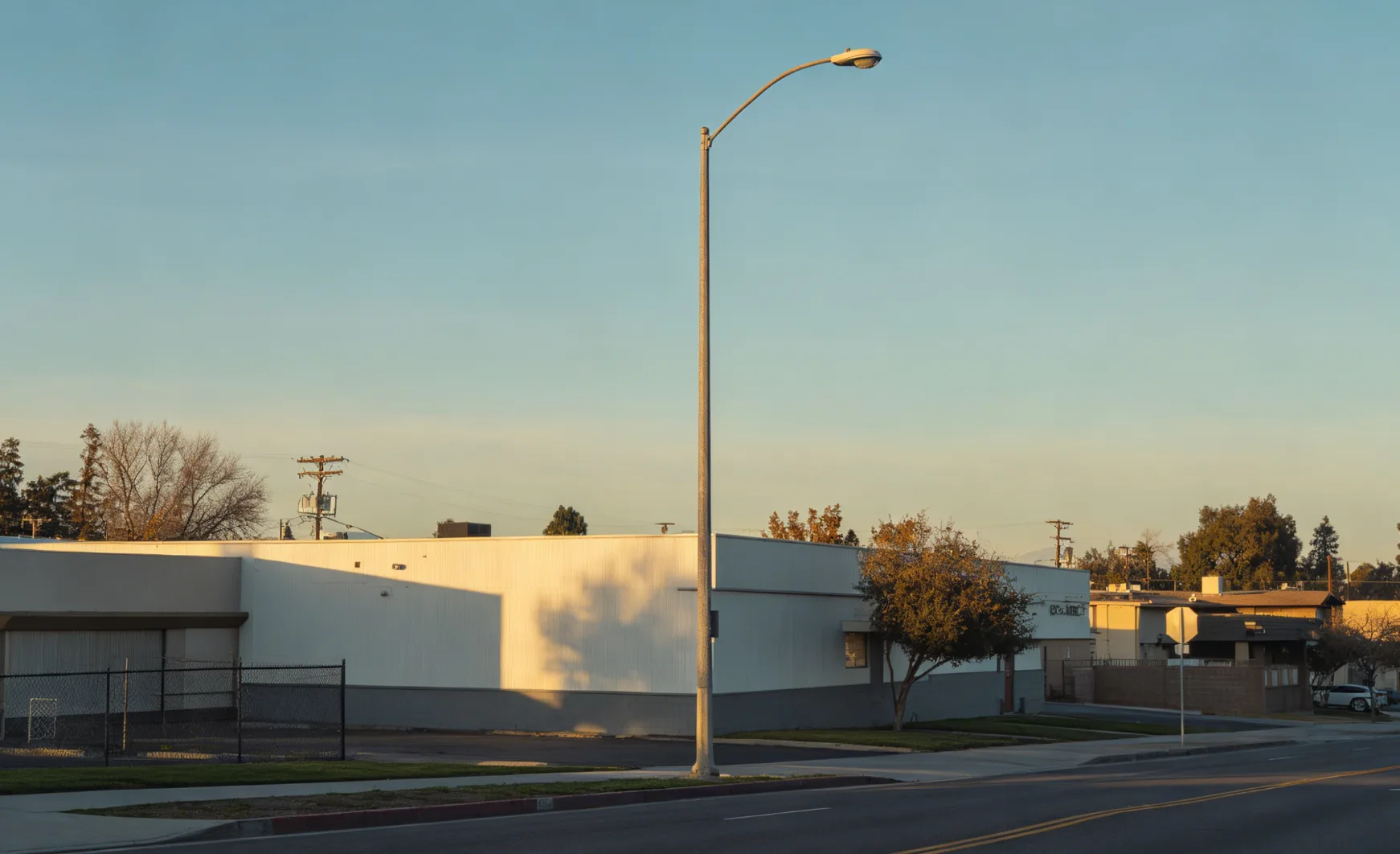
Comparative Analysis: Material Performance for Lighting Infrastructure
Selecting the correct material involves evaluating the relationship between initial capital expenditure and total cost of ownership. While various alloys exist, the industry standard relies on specific steel grades for their predictable yield strength and longevity.
| Feature | Carbon Steel (Galvanized) | Stainless Steel (304/316) | Aluminum Alloy |
|---|---|---|---|
| Yield Strength | High (250-350 MPa) | Very High (up to 500 MPa) | Moderate (150-250 MPa) |
| Corrosion Resistance | Moderate (Barrier Protected) | Excellent (Inherent) | Good (Self-Passivating) |
| Standard Lifespan | 25–30 Years | 50+ Years | 20–25 Years |
| Maintenance Need | Periodic Inspection | Minimal | Occasional Cleaning |
As shown in the table, Corrosion-Resistant Stainless Steel Light Poles offer the highest performance ceiling for coastal or industrial environments where salt spray and chemical pollutants are prevalent.
Engineering Standards and Structural Integrity
Reliable infrastructure depends on adherence to international engineering codes, such as the AASHTO (American Association of State Highway and Transportation Officials) LRFD Specifications for structural supports. Manufacturers must calculate the “Effective Projected Area” (EPA) to ensure Steel Street Light Poles do not fail under local wind speed maximums. Modern Steel Pole designs utilize tapered geometries to distribute stress more evenly than traditional cylindrical tubes.
Advanced Protective Coatings for Longevity
The lifespan of a steel structure is largely determined by its surface treatment technology. Hot-dip galvanization, governed by standards like ASTM A123, creates a metallurgical bond that protects the steel from oxidation even if the surface is scratched. For high-end urban projects, a “duplex system”—combining galvanization with a specialized powder coat—provides double-layered protection. This is particularly vital for Corrosion-Resistant Stainless Steel Light Poles used in “Smart City” applications where internal electronics must remain dry and vibration-free.
Selecting the Right Pole Category for Urban Zones
Urban planners must distinguish between functional roadway lighting and aesthetic landscape lighting. Decorative Poles often integrate ornate elements with high-strength steel cores to meet both visual and safety requirements. In contrast, standard Roadway Lighting Poles prioritize height and reach to provide uniform illumination across multiple traffic lanes. Choosing a manufacturer that offers a wide range of Smart Poles ensures that the infrastructure can support future 5G and IoT integration without requiring structural replacements.
Manufacturing Process and Quality Control
The production of high-tier Steel Street Light Poles involves several critical phases: plasma cutting, CNC bending, and robotic longitudinal welding. Each weld must be inspected for porosity and penetration to maintain the structural rating. Leading manufacturers employ Western-managed quality control teams to monitor these stages, ensuring that the final Garden Poles or highway structures meet the sub-0.05% defect target.
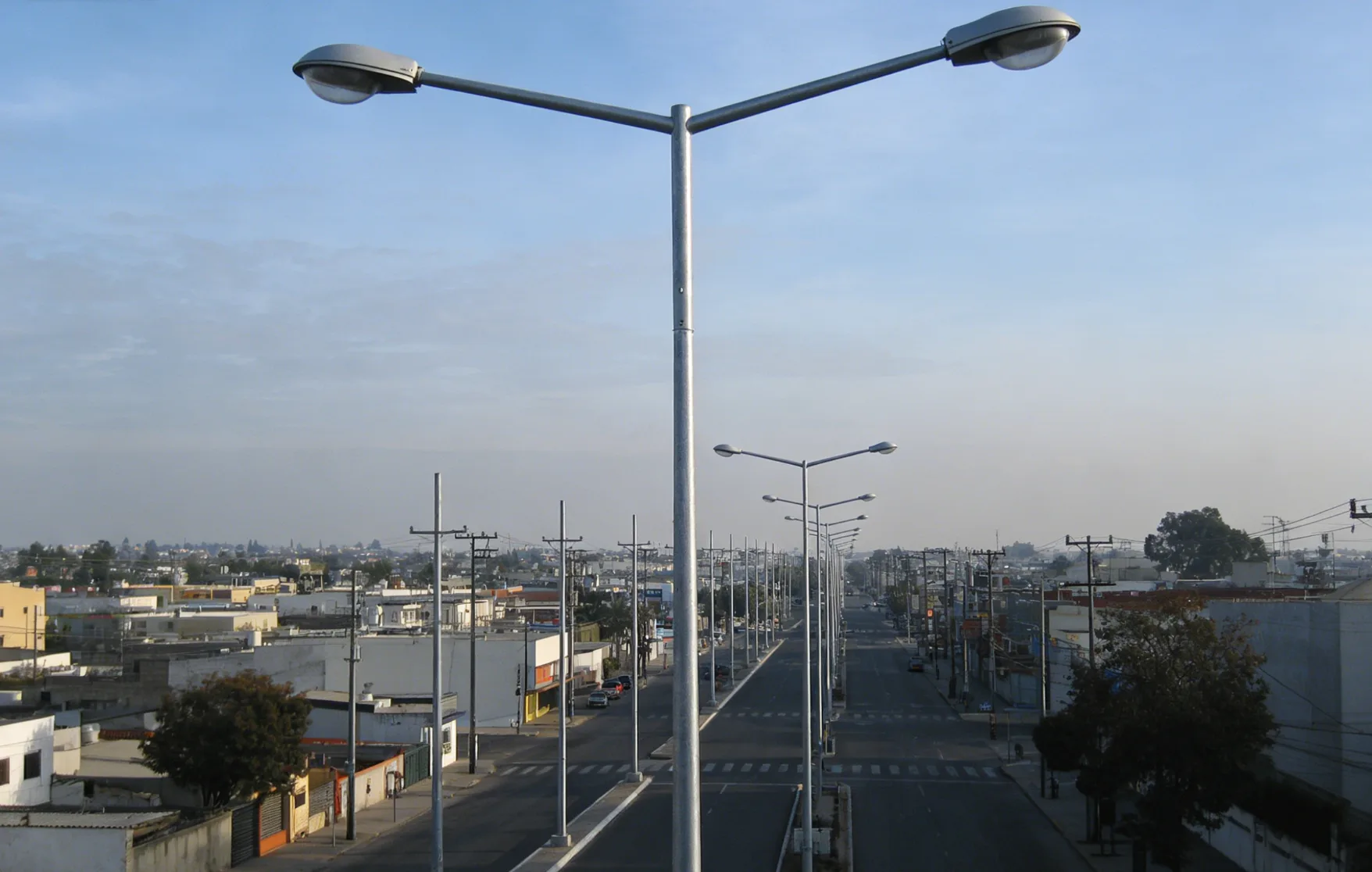
Logistics and International Distribution Standards
Global shipping of oversized lighting structures requires specialized packaging to prevent surface abrasion and structural bending during transit. Trusted suppliers utilize heavy-duty bracing and protective wrapping for all Steel Street Light Poles. According to the World Steel Association, the demand for sustainable infrastructure is driving manufacturers to optimize logistical footprints by using lighter yet stronger high-tensile steel grades (World Steel Association, 2024).
Maintenance Protocols for Steel Lighting Assets
While Corrosion-Resistant Stainless Steel Light Poles require less frequent intervention, a standardized maintenance schedule is essential for all municipal assets. Routine inspections should focus on anchor bolt tension, base plate integrity, and the condition of the access door seals.
Selection Checklist for Municipal Procurement:
- Verify ISO 9001:2015 certification for the production facility.
- Confirm the wind load rating matches local meteorological data (e.g., ASCE 7-22 standards).
- Request a 10-year minimum warranty on anti-corrosion coatings.
- Ensure the manufacturer provides detailed CAD drawings and structural calculations.
- Check the return rate history for large-scale international projects.
Sustainability and Environmental Impact
Steel is the most recycled material on the planet, with an average recovery rate exceeding 85% for construction products. Utilizing Steel Street Light Poles contributes to LEED (Leadership in Energy and Environmental Design) points in green building projects. Manufacturers are increasingly adopting solar-integrated designs, allowing Flag Poles and street lights to operate independently of the electrical grid, reducing long-term carbon footprints.
Economic Benefits of Low-Defect Infrastructure
Investing in high-quality poles with a 0.03% return rate significantly reduces “soft costs” associated with labor and site revisits. A single pole failure can cost a municipality three to five times the original purchase price in emergency repairs and liability risks. By prioritizing Corrosion-Resistant Stainless Steel Light Poles, project managers ensure that the initial investment remains viable for over half a century.
Conclusion on Industrial Reliability
The convergence of advanced material science and strict quality control has redefined expectations for urban lighting. Choosing Steel Street Light Poles from a manufacturer with a proven 0.03% return rate is not merely a purchase—it is a long-term risk management strategy. As global cities transition toward smarter, more resilient infrastructure, the demand for high-integrity steel solutions will continue to grow as the backbone of safe and sustainable public spaces.
Frequently Asked Questions (FAQ)
What causes the high durability of steel lighting poles compared to other materials?
The durability stems from the high tensile strength of steel alloys and the application of hot-dip galvanization or specialized coatings. These processes create a robust barrier against environmental stressors like moisture and UV radiation, ensuring that Steel Street Light Poles maintain structural integrity for several decades without significant deformation.
How do corrosion-resistant stainless steel light poles perform in coastal environments?
In coastal areas, high salinity levels accelerate the oxidation of standard metals. Corrosion-Resistant Stainless Steel Light Poles, particularly those using 316-grade steel, contain molybdenum which provides superior resistance to chloride-induced pitting. This makes them the most reliable choice for long-term installation near oceans or in regions using heavy road salts.
Why is a manufacturer’s return rate a critical factor for municipal procurement?
A low return rate, such as 0.03%, serves as documented evidence of a manufacturer’s consistent quality and precision. For large-scale projects, this minimizes the risk of installation delays, costly replacements, and safety hazards, providing procurement officers with confidence that the lighting assets will perform as specified upon delivery.
Can steel light poles be customized for smart city technology integration?
Yes, modern steel poles are highly adaptable and can be engineered with internal compartments and reinforced mounting points for 5G antennas, CCTV cameras, and EV charging stations. This versatility allows Steel Street Light Poles to serve as multi-functional infrastructure hubs while maintaining the strength needed to support the additional weight of these devices.
What are the standard maintenance requirements for galvanized steel poles?
Maintenance typically involves annual visual inspections of the base and anchor bolts to check for loosening or signs of impact. For galvanized Steel Street Light Poles, the protective layer is self-healing to a degree, but any deep gouges should be treated with cold-galvanizing spray to prevent localized rust from compromising the structure.