
यह व्यापक मार्गदर्शिका चयन के लिए तकनीकी विशिष्टताएँ और रणनीतिक मानदंड प्रदान करती है सौर ऊर्जा से चलने वाले खंभे बड़े पैमाने पर नगरपालिका और औद्योगिक बुनियादी ढांचा परियोजनाओं के लिए। जैसे-जैसे 2026 में वैश्विक ऊर्जा परिवर्तन में तेजी आएगी, ऑफ-ग्रिड प्रकाश प्रणालियों की दीर्घायु और दक्षता सुनिश्चित करने के लिए सही संरचनात्मक समर्थन चुनना आवश्यक है।
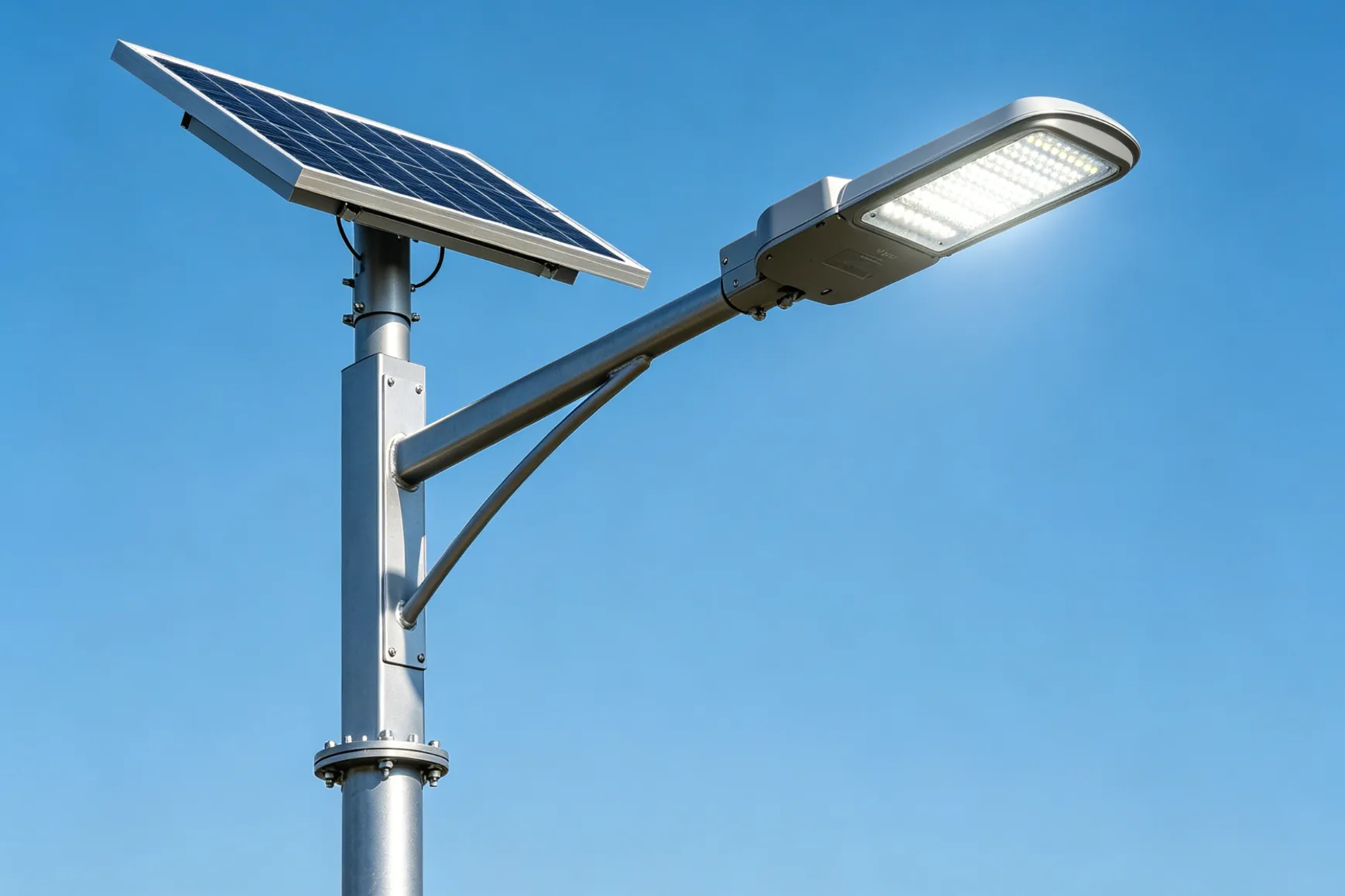
2026 में सौर बुनियादी ढांचे का विकास
सौर-एकीकृत बुनियादी ढाँचा विशिष्ट पर्यावरणीय परियोजनाओं से स्मार्ट सिटी विकास के लिए एक मानक आवश्यकता में परिवर्तित हो गया है। सौर ऊर्जा से चलने वाले खंभे अब बहु-कार्यात्मक हब के रूप में काम करते हैं, जो न केवल उच्च दक्षता वाले एलईडी ल्यूमिनेयरों बल्कि 5जी छोटी कोशिकाओं और आईओटी सेंसरों का भी समर्थन करते हैं। इस बदलाव के लिए सामान्य समर्थन से हटकर सटीक-इंजीनियर्ड संरचनाओं की ओर बढ़ने की आवश्यकता है जो बढ़े हुए पवन भार और उपकरण भार को संभालने में सक्षम हों।
आधुनिक उपयोगिता परियोजनाओं में विश्वसनीयता फोटोवोल्टिक पैनलों और उनके भौतिक माउंटिंग के बीच तालमेल पर निर्भर करती है। एक उच्च गुणवत्ता स्टेनलेस स्टील लाइट पोल सौर कोशिकाओं में कंपन-प्रेरित सूक्ष्म दरारों को रोकने के लिए आवश्यक संरचनात्मक कठोरता प्रदान करता है। इंजीनियरों को उन सामग्रियों को प्राथमिकता देनी चाहिए जो पर्यावरणीय क्षरण के प्रतिरोध को बनाए रखते हुए वजन-से-ताकत अनुपात को संतुलित करती हैं।
सामग्री तुलना: स्टील बनाम एल्यूमिनियम बनाम स्टेनलेस स्टील
उपयुक्त सामग्री का चयन परियोजना खरीद में प्राथमिक निर्णय लेने वाला कारक है। जबकि गैल्वनाइज्ड स्टील एक लागत प्रभावी मानक बना हुआ है, एल्यूमीनियम और स्टेनलेस स्टील लाइट पोल बेहतर संक्षारण प्रतिरोध के कारण तटीय या उच्च लवणता वाले वातावरण के लिए विकल्पों को प्राथमिकता दी जाती है। स्टील अधिकतम ऊंचाई क्षमता प्रदान करता है, जबकि एल्युमीनियम दूरस्थ सौर-संचालित ऐप्स के लिए इंस्टॉलेशन में आसानी प्रदान करता है।
नीचे दी गई तालिका में उपयोग की जाने वाली सामान्य सामग्रियों के लिए यांत्रिक गुणों और जीवनचक्र अपेक्षाओं की रूपरेखा दी गई है सौर ऊर्जा से चलने वाले खंभे :
| विशेषता | कलई चढ़ा इस्पात | समुद्री-ग्रेड एल्यूमीनियम | स्टेनलेस स्टील (316एल) |
|---|---|---|---|
| नम्य होने की क्षमता | उच्च (350-450 एमपीए) | मध्यम (240-290 एमपीए) | बहुत उच्च (480+ एमपीए) |
| संक्षारण प्रतिरोध | मध्यम (जिंक कोटिंग) | उच्च (ऑक्साइड परत) | असाधारण (स्व-उपचार) |
| औसत जीवनकाल | 20-25 वर्ष | 30-40 वर्ष | 50+ वर्ष |
| वजन कारक | भारी | रोशनी | मध्यम से भारी |
| वहनीयता | 100% पुनर्चक्रण योग्य | 100% पुनर्चक्रण योग्य | उच्च पुनर्नवीनीकरण सामग्री |
फोटोवोल्टिक एकीकरण के लिए इंजीनियरिंग आवश्यकताएँ
सौर पैनलों के लगने से पोल का प्रभावी अनुमानित क्षेत्र (ईपीए) महत्वपूर्ण रूप से बदल जाता है। पारंपरिक ग्रिड-बंधे फिक्स्चर के विपरीत, सौर ऊर्जा से चलने वाले खंभे बड़े सतह क्षेत्र पैनलों द्वारा बनाए गए पाल प्रभाव को ध्यान में रखना चाहिए। चरम मौसम की घटनाओं के दौरान सार्वजनिक सुरक्षा सुनिश्चित करने के लिए मानक पवन भार गणना को स्थानीय एएससीई 7-22 मानकों या समान अंतरराष्ट्रीय बिल्डिंग कोड के अनुसार समायोजित किया जाना चाहिए।
एकीकृत करना ए स्टेनलेस स्टील लाइट पोल सौर सरणी सेटअप में अक्सर सर्वोत्तम विक्षेपण प्रतिरोध प्रदान किया जाता है। सौर संग्रहण के लिए आपतन के इष्टतम कोण को बनाए रखने के लिए न्यूनतम घुमाव महत्वपूर्ण है। अत्यधिक हलचल से कनेक्शन बिंदुओं पर वायरिंग में थकान हो सकती है, जो अंततः सिस्टम विफलता का कारण बन सकती है। लोड-बेयरिंग डिज़ाइनों पर विस्तृत तकनीकी विशिष्टताओं के लिए, सलाहकार अक्सर इसका उल्लेख करते हैं अमेरिकन एसोसिएशन ऑफ स्टेट हाईवे एंड ट्रांसपोर्टेशन ऑफिशियल्स (एएएसएचटीओ) दिशानिर्देश.
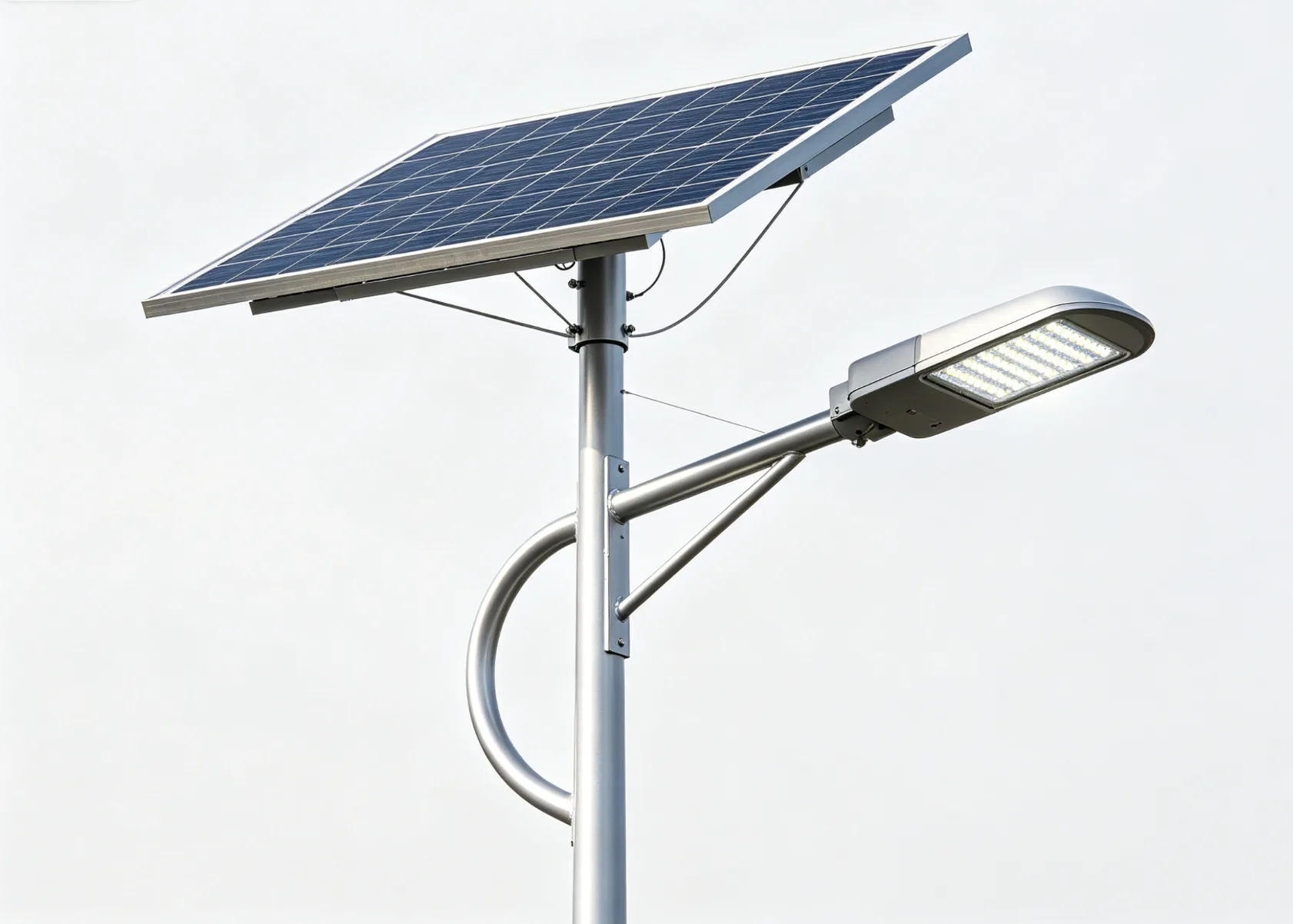
पवन शमन के लिए पतला डिज़ाइन को समझना
पतले खंभे, चाहे गोल हों या अष्टकोणीय, सीधे-शाफ्ट डिजाइनों की तुलना में वायुगतिकीय लाभ प्रदान करते हैं। एक पतला सौर ऊर्जा से संचालित खंभा उच्च ऊंचाई पर ड्रैग गुणांक को कम कर देता है, जहां हवा की गति आमतौर पर तेज होती है। यह ज्यामितीय दक्षता भारी बैटरी बाड़ों को अक्सर आधार या शीर्ष के पास स्थापित करने के लिए आवश्यक संरचनात्मक अखंडता से समझौता किए बिना हल्के वजन वाली सामग्रियों के उपयोग की अनुमति देती है।
उच्च घनत्व वाले शहरी क्षेत्रों में, एक का सौंदर्य प्रोफ़ाइल पतला एल्यूमीनियम पोल नगर निगम वास्तुकारों द्वारा अक्सर इसे प्राथमिकता दी जाती है। व्यापक आधार से संकीर्ण शीर्ष तक निर्बाध संक्रमण एक आधुनिक सिल्हूट प्रदान करता है जो समकालीन परिदृश्य डिजाइनों के साथ अच्छी तरह से एकीकृत होता है। इसके अलावा, टेपर्ड डिज़ाइन में आंतरिक केबलिंग स्थान आधुनिक सौर नियंत्रकों के लिए आवश्यक जटिल वायरिंग हार्नेस के प्रबंधन को सरल बनाता है।
बुनियादी ढांचा परियोजनाओं के लिए तकनीकी चयन चेकलिस्ट
खरीद अधिकारियों को बड़े पैमाने पर प्रकाश व्यवस्था की तैनाती के लिए विक्रेताओं का मूल्यांकन करने के लिए एक मानकीकृत चेकलिस्ट का उपयोग करना चाहिए। यह सुनिश्चित करता है कि प्रत्येक सौर ऊर्जा से संचालित खंभा स्थापना स्थल की विशिष्ट भौगोलिक और तकनीकी मांगों को पूरा करता है।
- लोड विश्लेषण: पैनल, बैटरी और ल्यूमिनेयर सहित कुल वजन की गणना।
- ईपीए सत्यापन: यह सुनिश्चित करना कि पोल की ईपीए रेटिंग सभी अनुलग्नकों के संयुक्त सतह क्षेत्र से अधिक है।
- फाउंडेशन अनुकूलता: मिट्टी-विशिष्ट कंक्रीट फ़ुटिंग्स के साथ बेस प्लेट आयामों का मिलान।
- गुणवत्ता समाप्त करें: मिलने वाले पाउडर कोटिंग या एनोडाइजेशन को निर्दिष्ट करना एएसटीएम इंटरनेशनल नमक स्प्रे परीक्षण मानक।
- आंतरिक पहुंच: यह सत्यापित करना कि स्मार्ट नियंत्रकों के रखरखाव के लिए हैंडहोल पर्याप्त बड़े हैं।
एक उच्च प्रदर्शन स्टेनलेस स्टील लाइट पोल बैटरी डिब्बों के लिए बर्बरता रोधी लॉकिंग तंत्र की भी सुविधा होनी चाहिए। 2025 उद्योग रिपोर्टों के अनुसार अंतर्राष्ट्रीय ऊर्जा एजेंसी (आईईए) विकासशील क्षेत्रों में ऑफ-ग्रिड इंस्टॉलेशन के लिए बुनियादी ढांचे की चोरी एक महत्वपूर्ण चिंता बनी हुई है।
सामग्री जीवनचक्र का लागत-लाभ विश्लेषण
नगरपालिका प्रकाश परियोजनाओं में प्रारंभिक पूंजी व्यय (CAPEX) अक्सर एक भ्रामक मीट्रिक है। जबकि एक मानक स्टील सौर ऊर्जा से संचालित खंभा इसकी अग्रिम लागत कम हो सकती है, रखरखाव और प्रतिस्थापन आवश्यकताओं के कारण 30 वर्षों में स्वामित्व की कुल लागत (टीसीओ) काफी अधिक हो सकती है। में निवेश करना उच्च-स्थायित्व वाले स्टील के खंभे संरचनात्मक निरीक्षणों के बीच अंतराल को बढ़ाकर दीर्घकालिक परिचालन लागत को कम करता है।
| निवेश कारक | मानक स्टील पोल | एल्यूमीनियम पतला पोल | स्टेनलेस स्टील समाधान |
|---|---|---|---|
| अग्रिम लागत | कम | मध्यम | उच्च |
| रखरखाव की आवश्यकता | उच्च (जंग निगरानी) | कम | न्यूनतम |
| प्रतिस्थापन चक्र | अक्सर | दुर्लभ | नगण्य |
| स्थापना गति | मध्यम | तेज़ (हल्का) | मध्यम |
राजमार्ग चौराहों जैसे महत्वपूर्ण बुनियादी ढांचे के लिए, ए स्टेनलेस स्टील लाइट पोल अक्सर राजकोषीय रूप से सबसे अधिक जिम्मेदार विकल्प होता है। रखरखाव के लिए लेन बंद करने में कमी और पुन: पेंटिंग की आवश्यकताओं को समाप्त करने से सार्वजनिक क्षेत्र को पर्याप्त अप्रत्यक्ष बचत मिलती है।
पर्यावरणीय प्रभाव और स्थिरता रुझान
ए की स्थिरता सौर ऊर्जा से संचालित खंभा यह स्वच्छ ऊर्जा उत्पन्न करने की अपनी क्षमता से कहीं आगे तक फैला हुआ है। उत्पादन में उपयोग की जाने वाली सामग्रियों की "परिपत्रता" 2026 ईएसजी (पर्यावरण, सामाजिक और शासन) रिपोर्टिंग के लिए एक प्रमुख मीट्रिक है। रीसाइक्लिंग बाजार में एल्युमीनियम और स्टील की अत्यधिक मांग है, जिससे यह सुनिश्चित होता है कि बुनियादी ढांचा अपने कार्यात्मक जीवन के अंत में दीर्घकालिक लैंडफिल कचरे में योगदान नहीं करता है।
उपयोग पर्यावरण-अनुकूल विनिर्माण प्रक्रियाएं फॉर पोल्स डेवलपर्स को LEED या WELL बिल्डिंग सर्टिफिकेशन के लिए अंक अर्जित करने में मदद करता है। उन्नत फ़िनिश, जैसे कम-वीओसी पाउडर कोटिंग्स, पर्यावरणीय पदचिह्न को और कम करते हैं। उद्योग जगत के नेता तेजी से इसकी ओर देख रहे हैं यूएस ग्रीन बिल्डिंग काउंसिल (यूएसजीबीसी) प्रकाश व्यवस्था का बुनियादी ढांचा टिकाऊ साइट विकास में कैसे योगदान देता है, इसकी रूपरेखा के लिए।
ऑफ-ग्रिड सिस्टम के लिए इंस्टालेशन की सर्वोत्तम प्रक्रियाएं
सही स्थापना एक सफल सौर प्रकाश परियोजना का अंतिम स्तंभ है। यहां तक कि उच्चतम गुणवत्ता भी सौर ऊर्जा से संचालित खंभा यदि ओरिएंटेशन गलत है तो खराब प्रदर्शन करेगा। इंस्टॉलरों को यह सुनिश्चित करना चाहिए कि माउंटिंग ब्रैकेट सड़क के संरेखण की परवाह किए बिना, पीवी पैनलों के सटीक दक्षिणी (या गोलार्ध के आधार पर उत्तरी) अभिविन्यास की अनुमति देता है।
ए स्थापित करते समय स्टेनलेस स्टील लाइट पोल , सतह के संदूषण को रोकने के लिए विशिष्ट उपकरण और हैंडलिंग प्रक्रियाओं की आवश्यकता होती है जिससे चाय का दाग या स्थानीयकृत क्षरण हो सकता है। गैर-कार्बन स्टील स्लिंग्स और विशेष हार्डवेयर का उपयोग यह सुनिश्चित करता है कि सुरक्षात्मक क्रोम-ऑक्साइड परत बरकरार रहे। व्यापक इंस्टालेशन मैनुअल इसके माध्यम से उपलब्ध हैं इल्यूमिनेटिंग इंजीनियरिंग सोसायटी (आईईएस) , जो प्रकाश व्यवस्था के लचीलेपन के लिए मानक प्रदान करता है।
चयन मानदंड का सारांश
ए का चयन सौर ऊर्जा से संचालित खंभा एक डेटा-संचालित प्रक्रिया होनी चाहिए जो यांत्रिक तनाव, पर्यावरणीय रसायन विज्ञान और दीर्घकालिक वित्तीय प्रभाव पर विचार करती है। प्राथमिकता देकर परिशुद्धता-इंजीनियर्ड पतला खंभे और जैसे उच्च श्रेणी की सामग्री पर विचार करना स्टेनलेस स्टील लाइट पोल , परियोजना प्रबंधक यह सुनिश्चित कर सकते हैं कि उनका बुनियादी ढांचा 21वीं सदी के मध्य तक कार्यात्मक और सुरक्षित बना रहे।
अक्सर पूछे जाने वाले प्रश्नों
हवा की गति रेटिंग सौर-संचालित खंभों की पसंद को कैसे प्रभावित करती है?
हवा की गति रेटिंग ध्रुव की आवश्यक दीवार की मोटाई और आधार व्यास को निर्धारित करती है। क्योंकि सौर पैनल पाल के रूप में कार्य करते हैं, ध्रुव को मानक प्रकाश ध्रुव की तुलना में काफी अधिक पार्श्व बलों का सामना करना पड़ता है। तूफानों के दौरान ढहने से बचाने के लिए आवश्यक संरचनात्मक ग्रेड निर्धारित करने के लिए इंजीनियरिंग टीमें स्थानीय पवन मानचित्रों का उपयोग करती हैं।
क्या एल्यूमीनियम के खंभे बड़े सौर सरणियों के लिए पर्याप्त मजबूत हैं?
हां, आधुनिक उच्च शक्ति वाले एल्यूमीनियम मिश्र धातु विशेष रूप से भारी-भरकम अनुप्रयोगों के लिए डिज़ाइन किए गए हैं। जबकि एल्यूमीनियम में स्टील की तुलना में लोच का मापांक कम होता है, व्यास या दीवार की मोटाई बढ़ाने से अनुमति मिलती है सौर ऊर्जा से संचालित खंभा तटीय वातावरण में संक्षारण मुक्त रहते हुए पर्याप्त उपकरण भार का समर्थन करने के लिए एल्यूमीनियम से बना है।
नगरपालिका परियोजनाओं में स्टेनलेस स्टील लाइट पोल का उपयोग करने का क्या लाभ है?
प्राथमिक लाभ वस्तुतः शून्य रखरखाव के साथ 50 से 100 वर्षों का बेजोड़ जीवनचक्र है। उच्च औद्योगिक प्रदूषण या नमक स्प्रे वाले क्षेत्रों में, स्टेनलेस स्टील संरचनात्मक गिरावट को रोकता है जो आम तौर पर गैल्वेनाइज्ड कोटिंग्स को प्रभावित करता है, जनता की सुरक्षा और संलग्न सौर प्रौद्योगिकी की सुरक्षा सुनिश्चित करता है।
ध्रुव की ऊँचाई सौर ऊर्जा संग्रहण दक्षता को कैसे प्रभावित करती है?
पोल की ऊंचाई मुख्य रूप से आवश्यक प्रकाश वितरण द्वारा निर्धारित की जाती है, लेकिन यह पेड़ों या आसन्न इमारतों से संभावित छाया से ऊपर पैनलों को ऊपर उठाकर ऊर्जा संग्रह को भी प्रभावित करती है। हालाँकि, ऊँचाई बढ़ने से हवा का प्रभाव अधिक हो जाता है, जिससे अधिक मजबूती की आवश्यकता होती है सौर ऊर्जा से संचालित खंभा स्थिरता बनाए रखने के लिए डिज़ाइन।
क्या स्मार्ट सिटी सेंसर को मौजूदा सौर ऊर्जा संचालित खंभों में एकीकृत किया जा सकता है?
सबसे आधुनिक स्मार्ट-तैयार डंडे IoT उपकरणों के लिए अतिरिक्त वायरिंग और बाहरी माउंटिंग पॉइंट के लिए आंतरिक क्षमता के साथ डिज़ाइन किया गया है। ए का चयन करते समय स्टेनलेस स्टील लाइट पोल भविष्य में निर्बाध उन्नयन सुनिश्चित करने के लिए विनिर्माण चरण के दौरान अतिरिक्त हैंडहोल या एकीकृत ब्रैकेट की आवश्यकता को निर्दिष्ट करना महत्वपूर्ण है।