
Building Information Modeling (BIM) has become the operational standard for infrastructure development, specifically optimizing the design, fabrication, and installation of Steel Street Light Poles in smart city environments. This comprehensive guide explores how digital twin technology and 5D BIM workflows enhance the lifecycle management of steel light poles to meet 2026 sustainability and urban planning benchmarks.
The Evolution of Digital Infrastructure in 2026
Modern urban development requires the seamless integration of structural components into a centralized digital framework. BIM provides a high-fidelity representation of Steel Street Light Poles, allowing engineers to simulate environmental stress, electrical loads, and spatial clearances before ground is even broken.
The transition from 2D CAD to multi-dimensional BIM models ensures that Modern Access Control Systems and smart lighting sensors are accounted for during the initial design phase. By utilizing Level of Development (LOD) 400 models, stakeholders can visualize precise bolt patterns, base plate dimensions, and internal wiring conduits for steel light poles.
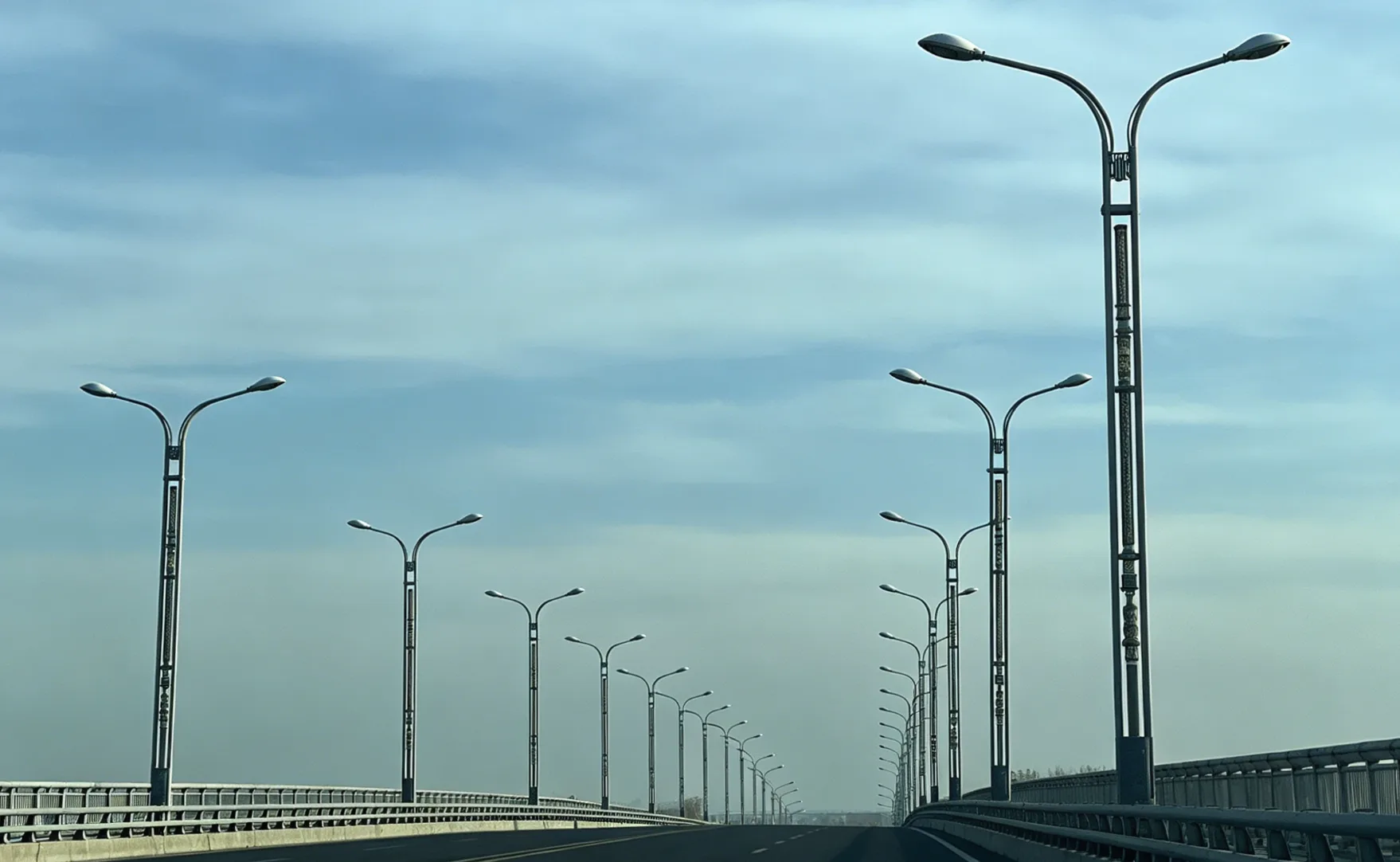
Key Benefits of BIM for Steel Light Pole Implementation
Integrating BIM into municipal projects reduces field errors by identifying clashes between underground utilities and pole foundations. When installing heavy-duty Steel Street Light Poles, real-time data synchronization prevents costly relocation expenses and ensures compliance with local zoning laws.
| Benefit Category | Impact on Project Lifecycle | 2026 Industry Standard |
|---|---|---|
| Clash Detection | Identifies overlaps with water, gas, or fiber lines. | Zero-tolerance automated interference checks. |
| Cost Estimation | Provides precise material take-offs (MTO) for steel. | Dynamic pricing linked to global steel indices. |
| Asset Management | Links physical poles to digital maintenance logs. | QR code integration with IoT sensors. |
| Sustainability | Calculates the carbon footprint of steel production. | Mandatory LEED and carbon reporting. |
Technical Standards and Structural Integrity
In 2026, the structural reliability of Industrial Bearings and specialized fasteners within high-mast steel light poles is verified through Finite Element Analysis (FEA) embedded within the BIM environment. This ensures that Steel Street Light Poles can withstand extreme wind velocities and seismic events as defined by the American Society of Civil Engineers (ASCE).
Material selection remains a critical factor for longevity. Galvanized steel light poles offer superior corrosion resistance compared to untreated alloys, especially in coastal regions. Engineers often specify Waterproof Reflective Tape within the BIM model to enhance visibility and safety for nighttime commuters.
Streamlining the Supply Chain with BIM
BIM facilitates a “Just-in-Time” (JIT) delivery model for Precast Concrete Slabs used in pole foundations. By aligning the fabrication schedule of Steel Street Light Poles with the site preparation timeline, contractors minimize storage costs and reduce the risk of on-site material damage.
Digital procurement platforms allow project managers to source high-quality steel light poles directly from verified manufacturers. This transparency ensures that the chemical composition and tensile strength of the steel meet the rigorous requirements set by ISO 9001:2015 standards.
Comparison of Material Performance: Steel vs. Alternatives
While aluminum and composite materials are available, Steel Street Light Poles remain the preferred choice for heavy-load applications due to their high strength-to-weight ratio. The following table compares steel against other common materials used in 2026 urban projects.
| Feature | Steel (Galvanized) | Aluminum | Fiber-Reinforced Polymer (FRP) |
|---|---|---|---|
| Load Capacity | High / Extra High | Medium | Low / Medium |
| Impact Resistance | Excellent | Moderate | Brittle |
| Maintenance | Low (25+ years) | Minimal | Low |
| Initial Cost | Moderate | High | High |
| BIM Compatibility | High (Standardized) | High | Variable |
Enhancing Safety with Reflective Technology
Visibility remains a primary safety concern for municipal planners managing thousands of Steel Street Light Poles. Integrating Waterproof Reflective Tape into the pole’s design—specifically at heights relevant to vehicle headlights—significantly reduces collision rates in poorly lit areas.
BIM models now include “Visibility Layers” that simulate how different lighting configurations and reflective materials perform under various weather conditions. This data-driven approach allows for the strategic placement of steel light poles to maximize pedestrian safety while minimizing light pollution, following guidelines from the Illuminating Engineering Society (IES).

Maintenance and the Digital Twin Concept
Post-installation, the BIM model evolves into a “Digital Twin.” This live entity tracks the health of Modern Access Control Systems and the structural fatigue of Steel Street Light Poles. Maintenance crews use AR (Augmented Reality) headsets to “see” internal wiring and foundation depths before performing repairs.
Predictive maintenance schedules for steel light poles are generated based on real-time sensor data rather than arbitrary time intervals. This shift reduces operational expenditures by 15-20% according to recent reports from the International Facility Management Association (IFMA).
Checklist for Specifying Steel Street Light Poles in BIM
To ensure a successful integration, specifiers should follow a standardized checklist during the design phase. This prevents the omission of critical components like Industrial Bearings for rotating signage or heavy-duty brackets for 5G small cell nodes.
- Geotechnical Verification: Ensure the foundation design in BIM matches the soil reports.
- Coating Specification: Define the micron thickness of the galvanization for the steel light poles.
- Electrical Clearance: Confirm that the internal conduit diameter can accommodate future fiber-optic upgrades.
- Hardware Compatibility: Match the bolt circle diameter with the Precast Concrete Slabs provided by the vendor.
- IoT Integration: Define the mounting points for smart city sensors and access points.
Future Outlook: 2027 and Beyond
The future of Steel Street Light Poles lies in their transformation from simple lighting fixtures into multi-functional urban nodes. As electric vehicle (EV) charging demands increase, steel light poles are being retrofitted with charging modules, a process modeled and managed entirely within BIM to ensure grid stability.
Sustainability will continue to drive innovation. The World Steel Association highlights that steel is 100% recyclable, making Steel Street Light Poles a cornerstone of the circular economy. By 2027, automated BIM workflows will likely include “End-of-Life” modules that provide instructions for the deconstruction and recycling of these assets.
Conclusion
BIM integration for Steel Street Light Poles in 2026 is no longer optional for large-scale infrastructure; it is the foundation of efficient, safe, and sustainable urban living. By leveraging 3D modeling, clash detection, and digital twins, cities can ensure that their steel light poles serve the public reliably for decades to come.
Frequently Asked Questions
How does BIM reduce the total cost of ownership for steel light poles?
BIM reduces costs by preventing construction delays through clash detection and providing a digital twin for predictive maintenance. By identifying structural issues early and optimizing repair schedules for Steel Street Light Poles, municipalities can extend asset life and reduce emergency repair budgets by significant margins.
Can existing steel light poles be integrated into a new BIM project?
Yes, existing steel light poles can be digitized using LiDAR scanning to create accurate “as-built” models. Once digitized, these Steel Street Light Poles are assigned metadata regarding their age and condition, allowing them to be managed alongside new infrastructure within a unified smart city dashboard.
What are the specific wind load standards for steel poles in 2026?
Most jurisdictions now follow the updated ASCE 7-22 standards, which require Steel Street Light Poles to withstand localized peak gust speeds. BIM software automatically calculates these loads based on the pole’s height, shape, and geographic location to ensure the steel light poles remain stable during storms.
Does BIM help in meeting LEED certification for urban lighting projects?
BIM significantly aids LEED certification by providing precise data on material weight and the recycled content of the steel. For Steel Street Light Poles, the software can calculate the carbon footprint of transport and installation, helping projects earn points under the “Materials and Resources” category.
What is the role of IoT sensors in the BIM model for street poles?
IoT sensors provide real-time feedback to the BIM digital twin, monitoring parameters like energy consumption and tilt. This allows the system to alert operators if Steel Street Light Poles are damaged by vehicles or if a lamp requires replacement, moving maintenance from reactive to proactive.