
Architectural stainless structures offer the most durable and aesthetically pleasing solution for municipal park illumination. Purchasing High-Quality Steel Light Poles ensures long-term public safety while elevating the landscape design of modern recreational spaces. This comprehensive guide details the precise engineering specifications required to select the optimal Steel Light Poles for various public park environments.
The Role of Architectural Steel in Landscape Design
Architectural lighting structures define the visual identity and safety parameters of public parks. Landscape architects prefer stainless Steel Light Poles due to their unmatched yield strength and sleek geometric finishes. These premium architectural steel light columns seamlessly blend with natural surroundings while resisting severe environmental degradation. Utilizing High-Quality Steel Light Poles establishes a modern, secure atmosphere that significantly increases park utilization rates during evening hours. The inherent rigidity of steel allows for slimmer, more elegant profiles compared to bulky concrete or timber alternatives.
Selecting the correct municipal park lighting poles directly impacts community security and municipal maintenance budgets. High-grade stainless materials eliminate the frequent repainting and structural reinforcement cycles associated with traditional coated supports. Consequently, investing in durable Steel Light Poles drastically lowers the total cost of ownership for city recreation departments. Reliable infrastructure encourages community engagement after sunset by eliminating dangerous dark zones along pedestrian routes. According to the American Society of Landscape Architects (ASLA), integrating durable hardscape materials is fundamental to sustainable urban design.
Metallurgical Properties and Corrosion Resistance
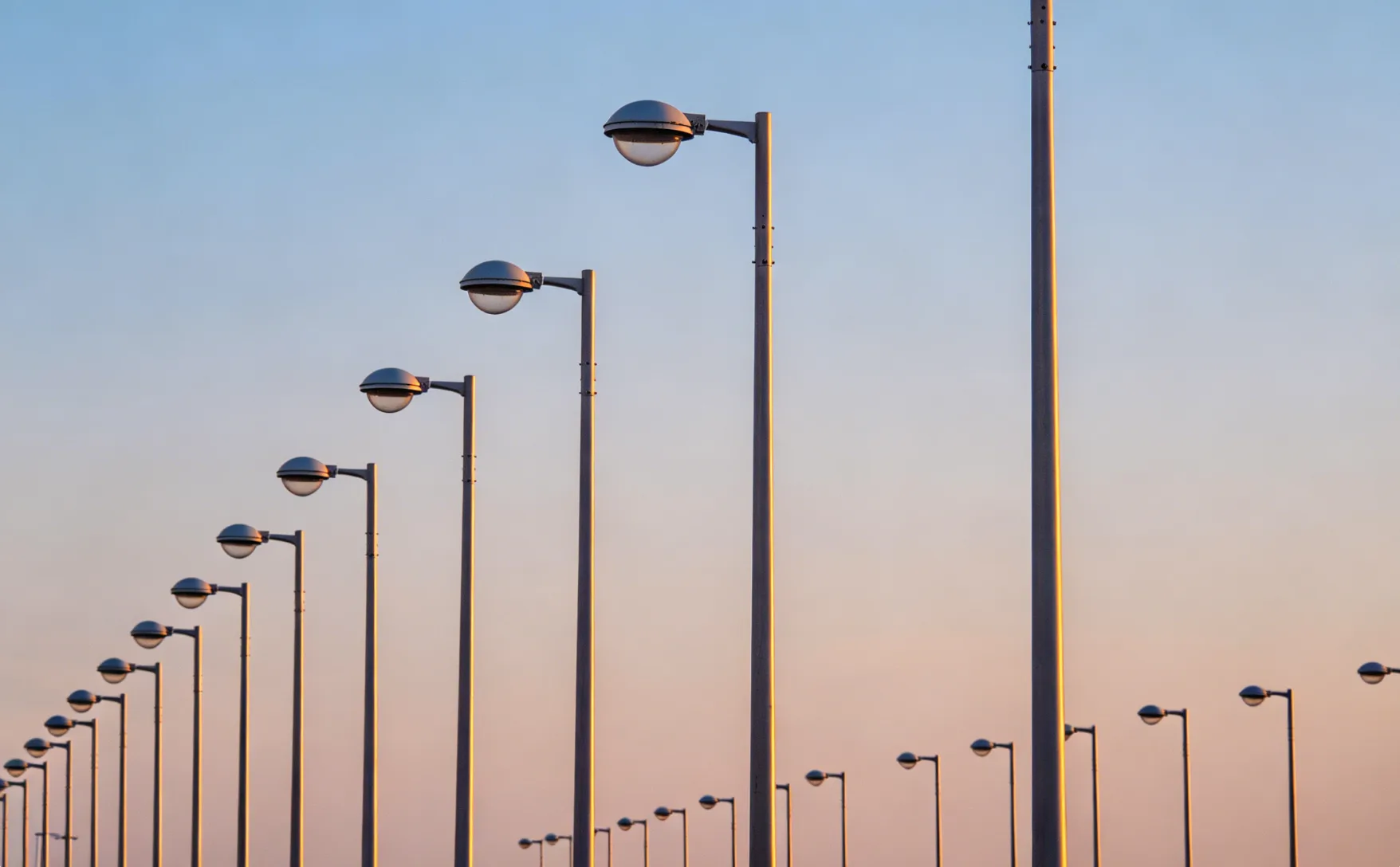
Grade 304 and Grade 316 stainless steel represent the industry standards for outdoor municipal lighting supports. Grade 316 Steel Light Poles incorporate molybdenum, providing superior resistance to chloride corrosion in coastal or high-humidity park environments. Choosing the appropriate marine-grade steel light poles prevents premature structural degradation caused by localized soil alkalinity or winter de-icing salts. High-Quality Steel Light Poles rely on these strict metallurgical compositions to prevent catastrophic internal rusting. Engineers must specify the correct steel alloy based on the park’s specific microclimate.
Surface finishing techniques further enhance the durability of stainless support columns in outdoor settings. Branded Garden poles often utilize brushed, satin, or electropolished finishes to create a passive chromium oxide layer. This self-repairing chemical barrier ensures that Steel Light Poles maintain their structural integrity and visual appeal over decades of exposure. Proper finishing negates the need for toxic anti-corrosion paints, aligning with environmental protection goals. Mechanical polishing also reduces surface roughness, preventing dirt accumulation and making the poles practically self-cleaning during rainstorms.
Designing for Specific Park Zones
Different recreational zones dictate distinct lighting requirements and structural height specifications. Pedestrian pathways require shorter Decorative Pole installations to provide localized, glare-free illumination for evening walkers. Using scaled pedestrian steel light poles ensures uniform light distribution without causing severe light pollution in adjacent residential neighborhoods. High-Quality Steel Light Poles adapt perfectly to these human-scale spatial requirements. The lower mounting heights demand tamper-resistant hardware to protect against potential vandalism in secluded park areas.
Open plazas and park parking lots demand taller, high-load illumination structures to maximize visibility. Robust Roadway lighting poles adapted for park perimeters can support multiple heavy LED arrays to eliminate expansive dark spots. These heavy-duty Steel Light Poles must withstand higher effective projected area (EPA) loads generated by larger luminaire housings. Tall architectural light structures maximize the photometric footprint per installation, thereby reducing the total number of poles required. This strategic placement minimizes ground-level obstructions and preserves wide-open recreational spaces.
Table 1: Park Zone Lighting Specifications and Pole Requirements
| Park Zone Category | Recommended Height | Pole Type Requirement | Primary Lighting Objective |
|---|---|---|---|
| Pedestrian Pathways | 10 to 15 Feet | Scaled Architectural / Decorative | Glare-free, uniform walkway illumination |
| Open Plazas & Gathering | 20 to 25 Feet | Medium-Duty Stainless Steel | Broad ambient coverage, facial recognition |
| Perimeter Parking Lots | 30 to 40 Feet | Heavy-Duty Multi-Mount | High-intensity security lighting, vehicle safety |
| Sports & Court Areas | 40+ Feet | High-Mast Steel Structures | Shadow elimination, high vertical footcandles |
Structural Engineering and Wind Load Capacity
Wind load engineering determines the fundamental safety of all vertical infrastructure within public gathering spaces. Engineers calculate the required wall thickness of High-Quality Steel Light Poles based on the maximum historical wind velocities of the installation site. Precision-engineered hurricane-resistant steel light poles prevent catastrophic bending or snapping during severe weather events. Purchasing Steel Light Poles with verified structural integrity calculations shields municipalities from severe liability risks. Every pole must feature an engineering submittal detailing its maximum allowable EPA capacity.
The Federal Highway Administration (FHWA) mandates strict crash-testing criteria for roadside and park perimeter structures. Municipal planners must verify that all procured High-Quality Steel Light Poles comply with the latest AASHTO structural support specifications. Strict compliance guarantees liability protection for city municipalities and ensures breakaway safety during accidental vehicle impacts. Specifying compliant highway-grade steel light poles for park access roads drastically reduces the severity of low-speed collisions.
Geotechnical Foundation and Installation
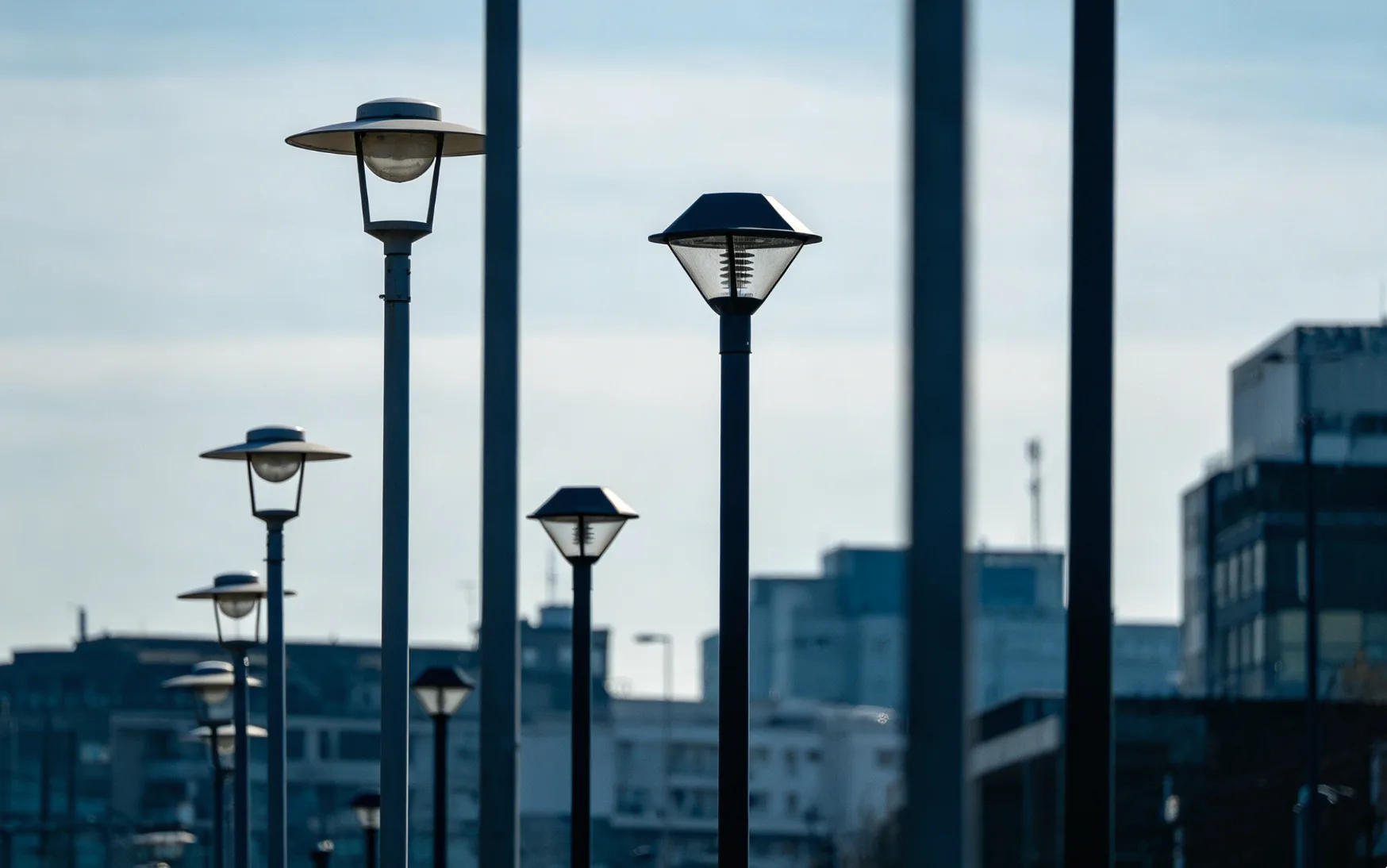
Geotechnical soil analysis is an obligatory prerequisite for installing heavy architectural structures. The foundation requirements for Steel Light Poles depend heavily on soil bearing capacity, groundwater levels, and regional frost depth lines. Standardized anchor-base steel light pole designs utilize high-strength steel bolts embedded deep within reinforced concrete cylindrical footings. High-Quality Steel Light Poles require absolute vertical alignment during foundation curing to ensure even load distribution across the base plate.
Direct burial installation methods offer an alternative for specific park environments with rigid aesthetic requirements. This technique involves embedding the lower portion of the tubular Steel Light Pole directly into the earth, eliminating the visible concrete base. While visually seamless, direct burial steel park poles necessitate specialized elastomeric below-ground coatings to combat soil-borne acidity. Professional landscape architects frequently specify this method to maintain unbroken turf lines in premium botanical gardens or memorial parks.
Table 2: Base Installation Comparison for Park Poles
| Installation Method | Visual Appearance | Maintenance Accessibility | Engineering Considerations |
|---|---|---|---|
| Anchor Base (Concrete) | Visible base plate and nut covers | Excellent; allows for simple pole leveling | Requires precise bolt circle templates |
| Direct Burial (Embedded) | Seamless integration with ground | Difficult; pole cannot be easily adjusted | Mandates aggressive subterranean coating |
| Transformer Base (T-Base) | Elevated, bulky base pedestal | Superior; provides easy access to wiring | Raises the luminaire height by 15-20 inches |
导出到 Google 表格
Integration with Smart Park Technologies
Modern park infrastructures increasingly serve as foundational nodes for broader smart city digital networks. Contemporary Smart poles seamlessly integrate environmental sensors, public Wi-Fi routers, security cameras, and emergency communication beacons. The immense load-bearing capacity of Steel Light Poles makes them the only viable option for hosting this heavy telecommunications equipment securely. Deploying High-Quality Steel Light Poles transforms passive parks into connected, data-gathering municipal assets.
Concealing external wiring and power supplies is crucial for maintaining the architectural aesthetics of park environments. A premium Steel Light Pole features spacious internal raceways and secure, flush-mounted handholes for safe electrical routing. This enclosed intelligent steel lighting pole design prevents vandalism and protects sensitive IoT networking components from extreme weather. Strategic placement of smart architectural light poles enhances both physical security and digital connectivity for all park patrons.
Photometric Alignment and Energy Efficiency
Combining stainless steel structures with advanced solid-state lighting maximizes environmental sustainability in public spaces. The U.S. Department of Energy (DOE) highlights that utilizing highly directional LED technology alongside rigid architectural supports optimizes municipal energy consumption. Stable, High-Quality Steel Light Poles prevent wind-induced vibrations, ensuring precise photometric alignment over time. By maintaining perfect optical orientation, Steel Light Poles reduce wasted energy and prevent harmful light spill into natural wildlife habitats.
Adherence to professional illumination standards guarantees safe and comfortable recreational environments. Guidelines published by the Illuminating Engineering Society (IES) dictate strict uniformity ratios and glare limitations for pedestrian spaces. To meet these rigorous optical standards, the structural support must remain absolutely plumb. The high torsional resistance of architectural stainless steel lighting columns ensures that heavy, asymmetrical LED fixtures will not cause the pole shaft to twist or deflect over time.
Table 3: Smart Pole Integration Capabilities (Steel vs. Aluminum)
| Technology Payload | Steel Light Poles Capability | Aluminum Poles Capability |
|---|---|---|
| Heavy PTZ Security Cameras | Fully Supported (No deflection) | Limited (Susceptible to vibration blur) |
| 5G / Wi-Fi Micro-Antennas | Fully Supported (High wind load resistance) | Marginal (Weight restrictions apply) |
| EV Charging Stations | Fully Supported (Robust base integration) | Not Recommended (Insufficient structural mass) |
Procurement Standards and Vendor Selection
Identifying reputable manufacturers ensures the timely delivery of flawless architectural components. Reliable suppliers of custom Flag poles and park lighting structures utilize automated laser cutting and robotic welding for absolute precision. These advanced fabrication methods guarantee that every High-Quality Steel Light Pole meets strict dimensional tolerances for rapid, complication-free field installation. Sourcing from certified manufacturers eliminates the high labor costs associated with modifying defective mounting hardware on site.
Comprehensive warranty terms serve as a definitive indicator of material quality and manufacturing confidence. Professional buyers should demand minimum 10-year structural warranties against weld failures and localized corrosion on all Steel Light Poles. Rigorous factory acceptance testing, verified by independent metallurgical certifications, validates the long-term reliability of these critical infrastructure assets. Transparent supply chain documentation allows procurement officers to trace the origin and grade of the raw steel coil used in production.
Conclusion
Procuring architectural stainless structures represents a strategic, high-value investment in urban beautification and public safety. By rigorously specifying the correct marine-grade alloys and verifying structural load dimensions, landscape architects guarantee the enduring performance of High-Quality Steel Light Poles. Methodical vendor selection and absolute adherence to federal engineering standards ensure that these robust Steel Light Poles will illuminate community parks reliably and safely for future generations.
Frequently Asked Questions (FAQ)
Q1: What makes Grade 316 stainless steel better for coastal park environments?
Grade 316 stainless steel contains a specific addition of molybdenum, which drastically enhances its resistance to pitting and crevice corrosion. This chemical property allows the material to withstand constant exposure to airborne salt spray and humid chloride environments, making it ideal for parks located near oceans or major bodies of saltwater.
Q2: How do engineers prevent vibration damage in tall architectural lighting structures?
Engineers mitigate vibration risks by installing internal first-mode and second-mode dampening devices inside the pole shaft. These specialized mechanical dampeners absorb and dissipate the kinetic energy caused by steady crosswinds, preventing the structure from reaching its resonant frequency and completely eliminating the risk of vibration-induced fatigue cracking.
Q3: Can direct burial installation be used for all types of park lighting poles?
No, direct burial is generally restricted to specific soil types and shorter pedestrian-scale poles. Highly acidic soils or areas with high water tables can aggressively attack the embedded steel. Furthermore, extremely tall structures carrying heavy LED arrays typically require the enhanced stability and sheer strength provided by a deep reinforced concrete anchor base.
Q4: Why is tamper-resistant hardware necessary for public park lighting?
Public parks often feature secluded areas that are highly susceptible to vandalism or unauthorized access. Tamper-resistant handhole covers and specialized security bolts prevent unauthorized individuals from exposing live electrical wiring or stealing valuable internal smart city components, thereby maintaining continuous public safety and protecting the municipality’s capital investment.
Q5: Do architectural stainless structures require regular surface repainting?
Unlike standard carbon steel or wood structures, premium stainless alloy structures do not require any cosmetic repainting. Their brushed or electropolished finishes form a natural, invisible chromium oxide layer that repairs itself when scratched. Routine maintenance typically only involves simple pressure washing to remove dirt and environmental debris from the surface.