
Procuring Steel Light Poles through full-process manufacturing guarantees superior structural integrity and precise engineering alignment for large-scale infrastructure. This comprehensive guide explains how to specify, evaluate, and buy custom Steel Light Poles, focusing strictly on fabrication standards, material yields, and verifiable quality control metrics.
Full-Process Manufacturing Core Principles
Full-process manufacturing of high-quality steel light poles centralizes material processing, automated welding, and surface finishing under a single unified engineering protocol. This centralized fabrication model prevents dimensional inconsistencies and eliminates the structural defects commonly associated with outsourced sub-assembly. Project managers evaluating supply chains must prioritize facilities demonstrating end-to-end control over custom steel light poles production to ensure absolute engineering compliance.
Automated submerged arc welding establishes the highest industry standard for longitudinal seam integrity in heavy-duty steel light poles. This mechanized technique ensures deep, continuous weld penetration that actively resists metal fatigue under cyclical wind loads. The long-term physical stability of customized steel light poles relies entirely on these flawless, machine-controlled structural bonds, which drastically outperform manual welding techniques.
Computer Numerical Control (CNC) press brake forming defines the precise geometric taper and aerodynamic profile of modern high-quality steel light poles. Advanced numerical control prevents metal warping, ensuring that the finished infrastructure supports maintain absolute vertical alignment upon installation. Accurate forming processes directly reduce field installation friction and align perfectly with municipal engineering schematics for custom steel light poles.
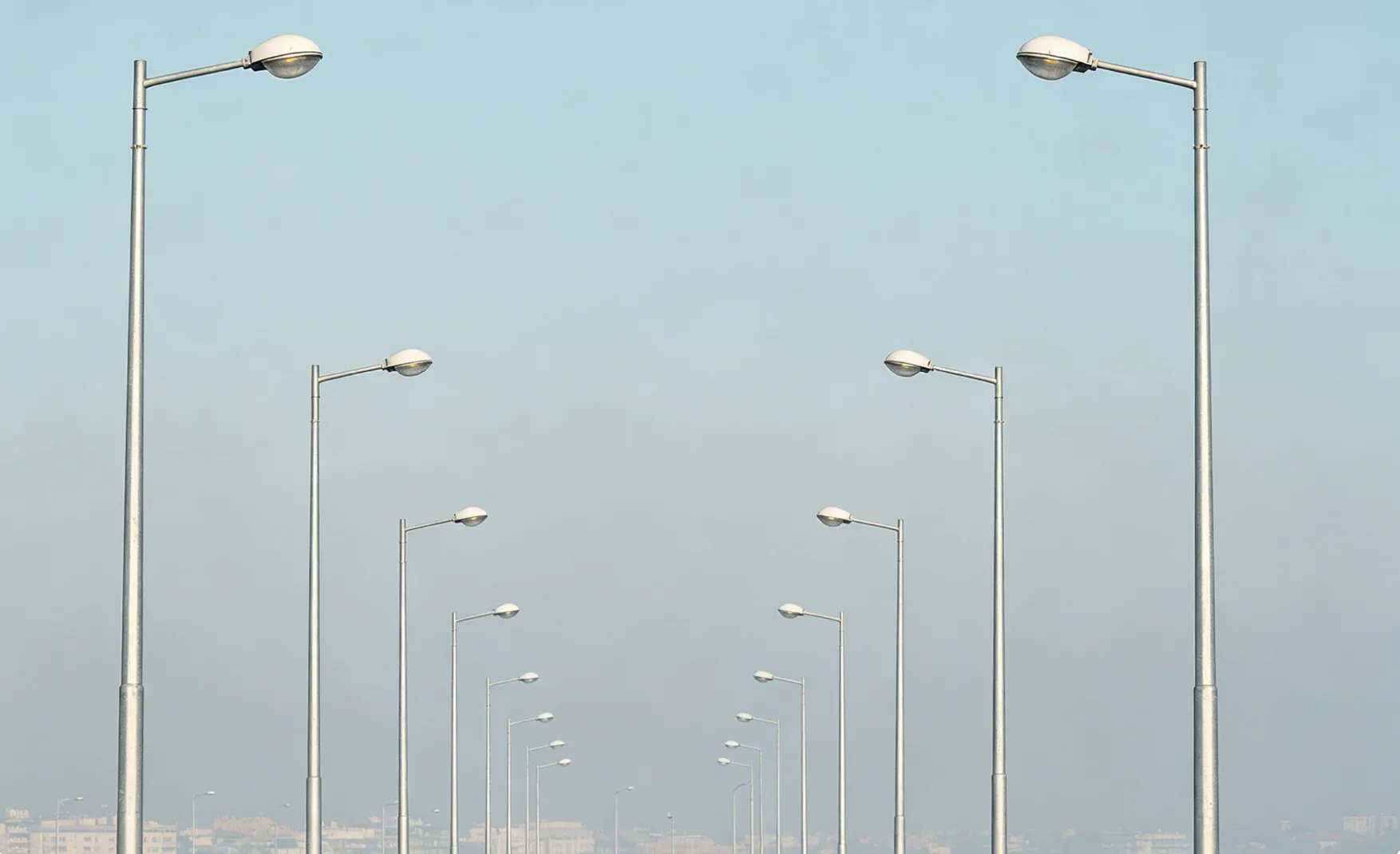
Table 1: Full-Process Manufacturing vs. Outsourced Assembly
| Evaluation Metric | Full-Process Manufacturing | Outsourced / Fragmented Assembly |
|---|---|---|
| Quality Control | Unified tracking from raw steel to final coating. | High risk of dimensional mismatch between vendors. |
| Weld Integrity | Automated, continuous submerged arc welding. | Often manual, prone to microscopic porosity. |
| Production Speed | Streamlined, predictable lead times. | Vulnerable to multi-vendor logistical bottlenecks. |
| Customization | Rapid prototyping for custom steel light poles. | Rigid designs; difficult to alter specifications. |
Material Specifications and Structural Yield
Carbon steel grades ASTM A595 and ASTM A500 define the minimum yield strength requirements for constructing reliable, high-quality steel light poles. Higher yield strength translates directly into the pole’s physical ability to resist permanent deformation under extreme wind loads or heavy fixture weights. Selecting the correct metallurgical grade remains the foundational engineering step when you buy custom steel light poles.
Wall thickness, expressed in standard wire gauge (e.g., 11-gauge or 7-gauge), dictates the ultimate load-bearing capacity of engineered high-quality steel light poles. Thicker steel walls provide exponentially greater resistance to structural bending but incrementally increase the overall logistics and material cost. Engineers precisely calculate the required wall thickness for custom steel light poles based on the maximum Effective Projected Area (EPA) of the geographic installation site.
The geometric cross-section of a pole—whether round, square, or multisided—profoundly affects the aerodynamic drag and torsional rigidity of high-quality steel light poles. Octagonal and dodecagonal profiles disrupt vortex shedding more effectively than standard flat-sided designs, reducing wind-induced vibration. Specifying the optimal geometric shape is critical when designing custom steel light poles for open-highway or coastal environments.
Customization Options for Infrastructure Categories
Roadway lighting poles require specific mast arm lengths and breakaway base mechanisms to strictly adhere to federal highway safety regulations. These customized steel light poles ensure uniform light distribution across multiple traffic lanes while intentionally minimizing collision hazards during vehicular impacts. Municipal buyers must clearly specify these geometric configurations and safety ratings during the initial design phase of high-quality steel light poles.
Decorative lighting poles combine architectural aesthetics with the immense inherent structural strength of galvanized carbon steel. Manufacturers utilize custom casting and specialized base covers to achieve specific urban design goals without sacrificing physical durability. These visually appealing, high-quality steel light poles commonly serve historical downtown districts, premium commercial developments, and upscale pedestrian walkways.
Smart street poles represent the most advanced infrastructure category, requiring custom internal routing and reinforced mounting brackets for complex telecommunications equipment. The heavy physical weight of 5G antennas and IoT sensors demands steel structures engineered with maximum torsional resistance. Procuring high-quality steel light poles for smart city integration necessitates rigorous pre-fabrication modeling to accommodate these dense internal electrical arrays.
Heavy-duty high-mast steel poles exceed standard height limitations to illuminate massive areas like sports stadiums, shipping ports, and complex highway interchanges. These highly specialized custom steel light poles feature internal lowering mechanisms, allowing maintenance crews to safely access fixtures from the ground level. The structural engineering for these towering high-quality steel light poles requires advanced dynamic load testing.
Anti-Corrosion Treatments and Environmental Durability
Hot-dip galvanization provides the most robust primary defense against environmental corrosion for all outdoor Steel Light Poles. This metallurgical process bonds a protective zinc-alloy layer directly to the steel shaft, effectively blocking moisture and oxygen penetration at a molecular level. According to the 2024 guidelines from the American Galvanizers Association (AGA), this specific treatment extends the maintenance-free lifecycle of high-quality steel light poles well beyond 50 years.
Polyester powder coating applied over a hot-dip galvanized surface creates a durable, UV-resistant duplex finish for custom steel light poles. This secondary protective coating enhances the aesthetic appeal while sealing any microscopic structural imperfections in the underlying zinc layer. Infrastructure projects in high-salinity coastal zones universally mandate this dual-layer protection to maintain the physical integrity of high-quality steel light poles.
Table 2: Comparison of Anti-Corrosion Finishes
| Finish Type | Corrosion Resistance | Aesthetic Customization | Cost Implication |
|---|---|---|---|
| Standard Primer / Paint | Low (Prone to chipping and rust) | High (Any color available) | Lowest initial cost |
| Hot-Dip Galvanized | Extremely High (Metallurgical bond) | Low (Standard metallic silver) | Moderate |
| Duplex (Galvanized + Powder) | Ultimate (Maximum longevity) | High (RAL color matching) | Highest investment |
Geotechnical Foundations and Base Engineering
Anchor-base foundations utilize heavy-duty steel anchor bolts cast into reinforced concrete to provide maximum stability for Steel Light Poles. This specific base type allows engineers to achieve precise vertical leveling and facilitates rapid pole replacement in the event of severe structural damage. Urban planners predominantly specify anchor-base custom steel light poles for paved city streets and concrete pedestrian plazas.
Direct burial foundations offer a highly cost-effective installation alternative for specific soil conditions and less rigid infrastructure budgets. This technique involves embedding the lower portion of the high-quality steel light poles directly into the excavated earth. While this eliminates the need for concrete forming, it requires specialized, thick-mil bituminous coatings on the buried section of the custom steel light poles to prevent accelerated soil-borne corrosion.
Table 3: Base Foundation Types Comparison
| Base Type | Installation Complexity | Replacement Ease | Ideal Application |
|---|---|---|---|
| Anchor Base (Flange) | High (Requires precise concrete work) | Excellent (Unbolt and replace) | Urban streets, highways, parking lots |
| Direct Burial | Low (Auger hole and backfill) | Poor (Requires complete excavation) | Parks, rural pathways, athletic fields |
| Transformer Base | Moderate (Aluminum breakaway design) | Good (Sacrificial base absorbs impact) | High-speed federal highways |
Procurement Standards and Compliance Protocols
The American Association of State Highway and Transportation Officials (AASHTO) sets the definitive structural design parameters for public Steel Light Poles across North America. Adhering strictly to the latest AASHTO structural standards ensures the support columns endure specific local wind speeds without physical yielding. Engineers must verify that all custom steel light poles meet or exceed regional wind zone regulations prior to authorizing procurement.
Evaluating a supplier’s Non-Destructive Testing (NDT) capabilities ensures the verifiable structural safety of newly procured high-quality steel light poles. Ultrasonic testing and advanced magnetic particle inspections identify hidden internal weld flaws long before the products leave the manufacturing facility. These rigorous NDT protocols distinctly separate reliable manufacturers of custom steel light poles from low-tier, price-focused fabricators.
Sustainable manufacturing practices align modern public infrastructure investments with global carbon and energy reduction goals. The U.S. Department of Energy (DOE) heavily encourages the pairing of high-efficiency LED luminaires with sustainably manufactured structural supports. Sourcing eco-friendly, high-quality steel light poles, alongside standard garden lighting poles, significantly reduces the overall carbon footprint of municipal development initiatives.
Electrical component compatibility, regulated by the National Electrical Manufacturers Association (NEMA), dictates the internal wiring safety of Steel Light Poles. Proper handhole placement and smooth internal weld seams prevent abrasion to delicate electrical cables during the installation process. Buyers purchasing custom steel light poles must ensure the internal conduit routing complies with these strict international electrical safety mandates.
Frequently Asked Questions (FAQ)
Q1: How do I determine the correct steel gauge when buying custom poles?
The appropriate steel gauge depends entirely on the wind load requirements of your installation site and the total Effective Projected Area (EPA) of your light fixtures. Engineers calculate these variables to select a thickness—typically between 11-gauge and 7-gauge—that prevents structural bending during severe weather events.
Q2: What is the primary benefit of a duplex coating on steel poles?
A duplex coating system combines hot-dip galvanization with a specialized polyester powder coat. This provides maximum protection against extreme environmental corrosion, particularly salt spray and heavy industrial pollution. It significantly extends the structural lifespan while allowing for precise architectural color matching.
Q3: Can full-process manufacturing accommodate specific smart city requirements?
Yes. Facilities utilizing full-process manufacturing can engineer poles with enlarged access handholes, internal mounting brackets, and reinforced structural shafts. These specific modifications are mathematically necessary to safely support the heavy physical loads of 5G antennas, surveillance cameras, and environmental IoT sensors.
Q4: Why is automated submerged arc welding important for pole longevity?
Automated submerged arc welding guarantees deep, continuous, and highly uniform penetration along the structural seam. Unlike manual welding, this machine-controlled process eliminates microscopic porosity and inconsistencies, creating a bond that is highly resistant to the metal fatigue caused by constant wind vibrations.
Q5: What is the difference between anchor-base and direct-burial installations?
Anchor-base installations utilize a steel flange bolted to a poured concrete foundation, allowing for precise leveling and easy replacement if damaged. Direct-burial installations embed the pole directly into the earth, which lowers initial installation costs but makes future structural replacements highly labor-intensive.