
Steel street light poles serve as the primary structural foundation for modern urban illumination, providing the necessary height and stability for municipal safety. This professional guide examines the technical specifications, material advantages, and selection criteria for premium steel light poles specifically engineered for government-led roadway infrastructure projects.
The Role of Steel Street Light Poles in Urban Infrastructure
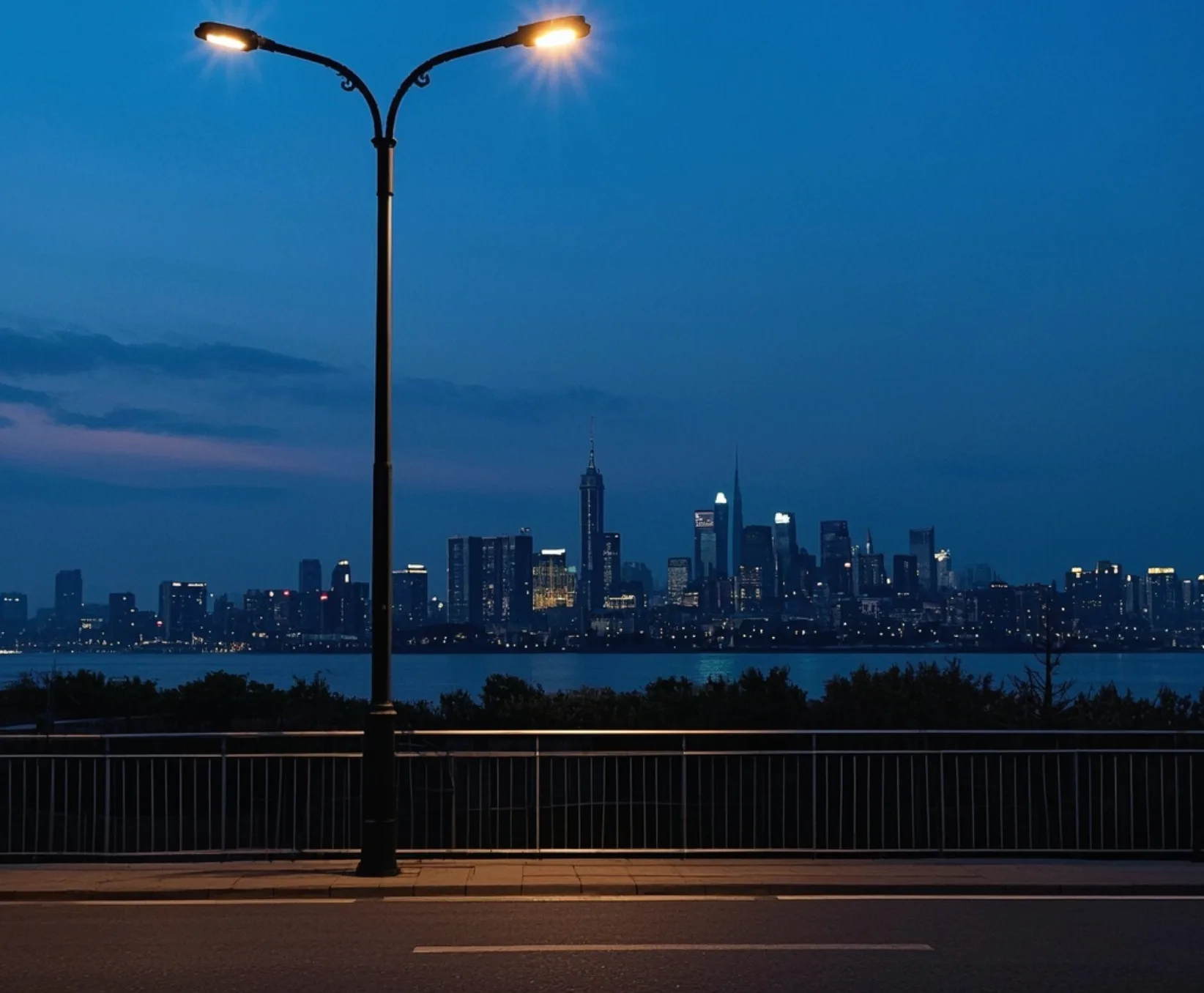
Steel street light poles are vertical support structures manufactured from high-strength carbon steel or stainless steel to carry luminaires, traffic signals, and smart city sensors. In the context of government road projects, these poles must adhere to rigorous structural standards to ensure public safety and long-term durability against environmental stressors. Most municipal tenders prioritize corrosion-resistant stainless steel light poles due to their reduced maintenance lifecycle and superior aesthetic retention in coastal or high-humidity regions.

Material Specifications and Engineering Standards
The performance of a steel street light pole is dictated by its metallurgical composition and the standards to which it is manufactured. For government projects, compliance with international standards such as AASHTO (American Association of State Highway and Transportation Officials) or EN 40 is typically mandatory. These standards define the allowable wind loading, vibration resistance, and structural integrity of the Steel Light Pole systems.
| Feature | Carbon Steel (Hot-Dip Galvanized) | Stainless Steel (Grade 304/316) |
|---|---|---|
| Corrosion Resistance | High (via zinc coating) | Extreme (intrinsic property) |
| Tensile Strength | 400 – 550 MPa | 515 – 620 MPa |
| Initial Cost | Moderate | High |
| Maintenance Need | Periodic coating inspection | Minimal |
| Standard Finish | Matte Grey / Silver | Polished / Brushed / Painted |
Advantages of Corrosion-Resistant Stainless Steel Light Poles
Corrosion-resistant stainless steel light poles offer a strategic advantage for government agencies looking to minimize long-term operational expenditures (OPEX). While the initial procurement cost is higher than galvanized alternatives, the absence of rust-related structural failures significantly extends the service life to over 50 years. According to industry reports from the International Stainless Steel Forum (ISSF), stainless steel’s self-healing chromium oxide layer provides an impenetrable barrier against chlorides and industrial pollutants.
Structural Design: Tapered vs. Straight Poles
Government road projects frequently utilize tapered steel street light poles to optimize material distribution and wind resistance. A tapered design reduces the surface area at the top of the pole, where wind pressure is most impactful, while maintaining a wide, stable base for secure anchoring. Decorative Pole variants often incorporate these tapered profiles with ornamental bases to satisfy both engineering requirements and urban design aesthetics.
Coating Technologies and Surface Protection
Surface treatment is the first line of defense for any steel street light pole installed in a public space. For non-stainless options, Hot-Dip Galvanization (HDG) per ASTM A123 is the industry benchmark, providing a metallurgical bond that protects the steel even if the surface is scratched. To further enhance longevity, many modern Smart poles utilize a “duplex system,” which involves applying a powder coating over the galvanized layer for double-layered protection and color customization.
Comparative Analysis: Steel vs. Alternative Materials
When evaluating materials for large-scale roadway projects, engineers must weigh the high impact resistance of steel against lighter materials like aluminum or fiberglass. Steel remains the preferred choice for high-speed highways and bridge crossings where vibration and heavy luminaire loads are prevalent.
Table: Material Performance Comparison for Roadway Lighting
| Parameter | Steel Street Light Poles | Aluminum Poles | Fiberglass (FRP) Poles |
|---|---|---|---|
| Impact Resistance | Very High | Moderate | Low |
| Weight | Heavy | Light | Very Light |
| Flexibility | Low (Rigid) | High | High |
| Max Mounting Height | Up to 50m | Up to 12m | Up to 10m |
| Recyclability | 100% | 100% | Limited |
Installation and Foundation Requirements
The safety of steel street light poles depends heavily on the precision of the anchor bolt circle and the depth of the concrete foundation. Government specifications usually require a reinforced concrete base calculated based on local soil pressure and the projected EPA (Effective Projected Area) of the lighting fixture. Utilizing Garden poles in parks or residential zones may allow for direct-burial options, but roadway infrastructure almost exclusively demands base-plate mounted systems for easier replacement and alignment.
Sustainability and Environmental Impact
Modern infrastructure planning emphasizes the circular economy, making steel a highly sustainable choice. Steel is the most recycled material on the planet; according to the American Iron and Steel Institute (AISI), the steel industry has reduced its energy intensity by 35% since 1990. Specifying corrosion-resistant stainless steel light poles further supports sustainability by eliminating the need for toxic repainting or chemical treatments during the pole’s lifecycle.
Smart City Integration and Future-Proofing
The current trend in government procurement involves transitioning from standard illumination to multi-functional Smart poles. These advanced steel street light poles are designed with internal compartments and reinforced brackets to house 5G microcells, EV charging stations, and public Wi-Fi routers. Ensuring that the pole has sufficient internal diameter and access doors is critical for future technology upgrades without replacing the entire physical structure.
Quality Assurance and Certification for Tenders
To qualify for government road projects, manufacturers must provide verifiable test reports and certifications. This typically includes ISO 9001 quality management, ISO 14001 environmental management, and welding certifications such as AWS D1.1. High-quality Steel Poles undergo ultrasonic testing of welds and salt spray testing for coatings to guarantee they meet the “premium” designation required for high-traffic public corridors.
Final Selection Checklist for Project Managers
Before finalizing a procurement order for a government project, technical teams should verify the following:
- Confirmed EPA rating for local wind zones (e.g., 120 mph to 180 mph).
- Presence of internal grounding lugs for electrical safety.
- Compliance of corrosion-resistant stainless steel light poles with specific grade requirements (304 vs 316).
- Availability of vibration dampeners for bridge-mounted installations.
- Provision of handhole covers with tamper-resistant hardware to prevent copper theft.
FAQs About Steel Light Poles
What is the expected lifespan of a galvanized steel street light pole?
A high-quality hot-dip galvanized steel pole typically lasts 25 to 40 years, depending on the environmental conditions. In inland areas with low humidity, the lifespan may exceed 50 years, whereas coastal areas might require the use of corrosion-resistant stainless steel light poles to achieve similar longevity without structural degradation.
Why are tapered poles preferred over straight poles for highways?
Tapered steel street light poles provide a superior strength-to-weight ratio and better aerodynamic performance. The wider base allows for a more stable connection to the foundation, while the narrower top reduces the wind load (EPA), allowing for smaller foundations and lower material costs without compromising safety.
How does stainless steel 304 differ from 316 for light poles?
Grade 304 is suitable for most urban environments, offering excellent durability and rust resistance. However, for projects within five miles of the ocean or in heavy industrial zones, Grade 316 is required because it contains molybdenum, which specifically prevents “pitting” corrosion caused by salt spray and chlorides.
Can smart city technology be retrofitted onto existing steel poles?
While basic sensors can be clamped onto existing steel street light poles, comprehensive smart city integration—like EV charging or 5G—usually requires poles designed with specific internal wiring channels and higher load-bearing capacities. Modern government tenders now often specify “smart-ready” poles to avoid future replacement costs.
What maintenance is required for premium steel light poles?
Maintenance for premium poles is minimal but essential. It involves an annual visual inspection for surface scratches, checking the tightness of anchor bolts, and ensuring the handhole covers are secure. Corrosion-resistant stainless steel light poles may only require occasional cleaning with water to maintain their aesthetic finish and remove surface pollutants.