
Selecting the right infrastructure components requires balancing initial capital expenditure with long-term structural integrity. This guide explains how to acquire cost-effective Standard Steel Light Poles while ensuring compliance with safety standards and maximizing the return on investment through strategic material selection.
Understanding the Fundamentals of Standard Steel Light Poles
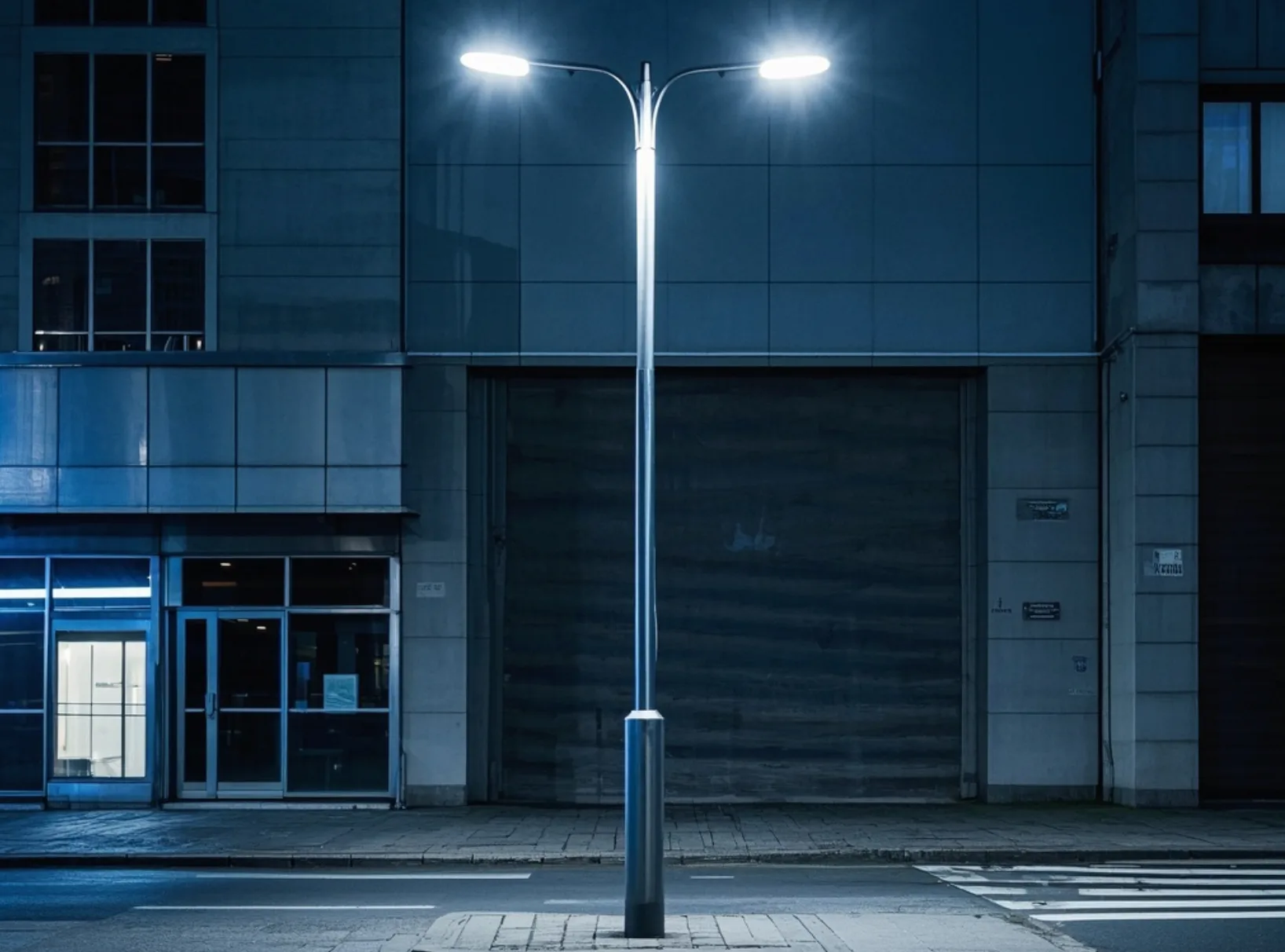
Standard Steel Light Poles are the backbone of urban lighting, providing a reliable structure for mounting various fixtures in parking lots, highways, and residential streets. These poles are typically manufactured from carbon steel, which offers high tensile strength and versatility for different wind load requirements. When evaluating cost-effectiveness, engineers must look beyond the purchase price to consider the “Total Cost of Ownership,” which includes installation, maintenance, and the expected lifespan of the coating.
The structural integrity of steel poles is governed by standards such as the AASHTO Standard Specifications for Structural Supports for Highway Signs, Luminaires, and Traffic Signals. Adhering to these standards ensures that the poles can withstand specific wind speeds and vibration patterns. For projects near coastal areas, the corrosion resistance of the material becomes the primary driver of value.
While carbon steel is the industry standard for general utility, Stainless Steel Light Poles are increasingly utilized in environments where high salinity or chemical exposure would cause rapid degradation of galvanized coatings. Although the upfront cost of stainless steel is higher, the elimination of periodic repainting and rust treatment often makes it the more economical choice over a 25-year cycle.
Key Factors Influencing Steel Light Pole Pricing
The cost of Standard Steel Light Poles is primarily dictated by the current global steel market prices, the complexity of the fabrication process, and the type of protective finish applied. Hot-dip galvanization is the most common protective measure, providing a zinc coating that prevents oxidation. According to the American Galvanizers Association, this process creates a metallurgical bond that is far more durable than standard paint.
| Feature | Standard Carbon Steel (Galvanized) | Stainless Steel Light Poles |
|---|---|---|
| Initial Cost | Moderate to Low | High |
| Corrosion Resistance | High (20-50 years depending on environment) | Extreme (50+ years) |
| Maintenance Needs | Periodic inspection of zinc layer | Minimal cleaning required |
| Best Application | Highways, parking lots, urban streets | Coastal areas, chemical plants, luxury plazas |
| Sustainability | 100% Recyclable | 100% Recyclable |
Manufacturing efficiency also plays a role in pricing. High-volume production of Street Light Poles allows for better economies of scale. Buyers should look for manufacturers who utilize automated welding and CNC cutting to ensure precision while keeping labor costs manageable.
Material Selection: Carbon Steel vs. Stainless Steel
Choosing between different alloys involves a trade-off between mechanical properties and environmental resilience. Standard Steel Light Poles made from Q235 or Q345 steel offer excellent weldability and strength-to-weight ratios for most land-based applications. These materials are easy to form into round, square, or octagonal shapes to meet aesthetic and aerodynamic requirements.
In contrast, Stainless Steel Light Poles (typically Grade 304 or 316) are selected for their inherent resistance to pitting and crevice corrosion. According to the International Stainless Steel Forum (ISSF), the addition of chromium and molybdenum allows the metal to form a self-healing oxide layer. This makes them a superior, albeit more expensive, alternative for high-end architectural projects or harsh industrial zones where replacement costs would be prohibitive.
For those managing budgets for municipal projects, Square Steel Poles often provide a classic look with straightforward mounting options for arm brackets. Understanding the specific wind zone of the installation site is crucial; a pole that is over-engineered for a low-wind area is a waste of capital, while an under-engineered pole represents a significant safety liability.
Technical Specifications and Load Calculations
The cost-effectiveness of Standard Steel Light Poles is also determined by the “Effective Projected Area” (EPA) of the light fixture. The EPA is a measure of the wind force that a fixture will exert on the pole at a specific wind speed. If the EPA of your LED fixture is low, you can often specify a lighter-gauge steel pole, reducing material costs without compromising safety.
- Height and Diameter: Standard heights range from 10 to 40 feet. Taller poles require thicker walls and wider base diameters to maintain stability.
- Wall Thickness: Measured in gauges or millimeters; thicker walls increase the cost but are necessary for high-wind regions.
- Anchor Bolt Design: The foundation must be compatible with the pole’s base plate. Pre-configured Round Steel Poles usually come with standard bolt patterns to simplify civil engineering tasks.
Using Stainless Steel Light Poles can sometimes allow for a slightly thinner wall thickness due to the higher tensile strength of certain stainless alloys compared to mild carbon steel. This weight reduction can lead to lower shipping and handling costs, which should be factored into the overall procurement analysis.
Strategic Procurement: How to Save on Bulk Orders
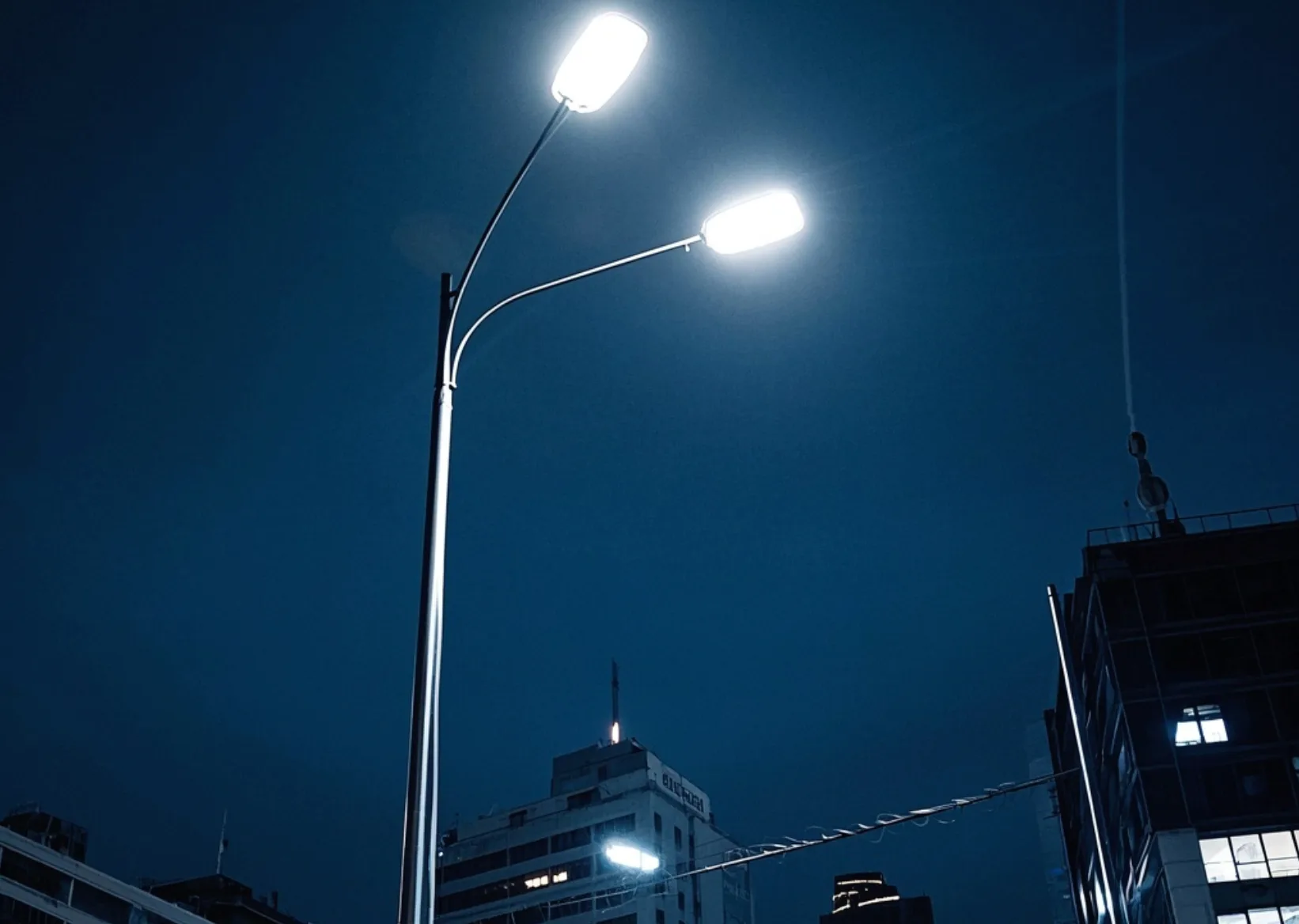
To secure the most cost-effective Standard Steel Light Poles, procurement officers should consolidate orders to reduce shipping expenses. Steel is heavy, and freight costs can represent 10-15% of the total invoice if not managed correctly. Ordering in full truckloads or standard container sizes is a proven method to lower the per-unit price.
| Procurement Step | Action for Cost Savings | Impact on Budget |
|---|---|---|
| Specification Audit | Match pole strength exactly to wind zone and EPA. | Reduces over-spending on materials. |
| Finish Selection | Choose powder coating over galvanization only for aesthetics. | Galvanization offers better long-term ROI. |
| Volume Discounts | Batch purchase Smart Light Poles for multiple phases. | Lowers unit cost through manufacturing scale. |
| Material Choice | Use Stainless Steel Light Poles only in high-corrosion zones. | Reserves budget for general areas. |
Working directly with a manufacturer that specializes in Galvanized Steel Poles can eliminate middleman markups. Direct communication also ensures that technical drawings are reviewed by experts who might suggest small design changes that facilitate easier manufacturing and lower costs.
Installation and Long-Term Maintenance Costs
The true cost of Standard Steel Light Poles includes the labor and equipment required for installation. Lightweight poles are easier to maneuver, potentially requiring smaller cranes or lifting equipment. Additionally, selecting poles with integrated handholes and wiring paths speeds up the electrical installation, reducing on-site labor hours.
Maintenance for galvanized Standard Steel Light Poles typically involves a visual inspection every 3-5 years to check for coating breaches. If the zinc layer is damaged, cold-galvanizing sprays can be applied to prevent rust spread. For Stainless Steel Light Poles, maintenance is even simpler, usually limited to an occasional wash to remove environmental pollutants that could dull the finish.
Long-term savings are often found in the durability of the base covers and nut covers. High-quality High Mast Poles use UV-resistant or metallic covers that protect the anchor bolts from water accumulation. Protecting the foundation hardware is the most effective way to prevent structural failure at the base, which is the most common point of fatigue in steel structures.
Environmental Impact and Sustainability
Sustainability is a growing requirement in government tenders. Both Standard Steel Light Poles and Stainless Steel Light Poles are highly sustainable because steel is the most recycled material on the planet. According to the World Steel Association, the recovery rate for steel used in construction and infrastructure is nearly 85-90%.
By choosing steel over alternative materials like fiberglass or wood, project managers ensure that the infrastructure can be repurposed at the end of its functional life. Furthermore, the longevity of steel means fewer replacements are needed over a century, reducing the carbon footprint associated with manufacturing and transportation.
| Metric | Galvanized Steel | Stainless Steel |
|---|---|---|
| Recycled Content | Approx. 30-40% | Approx. 60-80% |
| Life Cycle Carbon | Low due to long life | Lowest (no maintenance/replacement) |
| End of Life | Fully Recyclable | Fully Recyclable |
Conclusion: Making the Final Decision
Buying cost-effective Standard Steel Light Poles requires a holistic view of the project environment and the expected lifespan of the lighting system. By focusing on accurate load calculations, choosing the right protective finish, and sourcing from reputable manufacturers, organizations can achieve a balance between affordability and performance. While Stainless Steel Light Poles represent a higher initial investment, their performance in aggressive environments makes them a vital tool in the engineer’s kit for reducing long-term overhead.
Frequently Asked Questions
How long do galvanized Standard Steel Light Poles usually last before needing replacement?
In typical inland environments, hot-dip galvanized steel poles can last between 30 and 50 years. Their lifespan is significantly influenced by local humidity and soil pH levels. Routine inspections can identify early signs of corrosion, allowing for localized repairs that extend the pole’s service life indefinitely.
When is it more economical to use Stainless Steel Light Poles instead of carbon steel?
Stainless steel becomes the more economical choice in environments with high chloride levels, such as coastal regions within five miles of the ocean. In these areas, standard galvanized coatings may fail in under 10 years, making the durability of stainless steel a cost-saving measure over time.
Do Standard Steel Light Poles require specialized foundations compared to aluminum poles?
Yes, steel poles are generally heavier and have higher wind-load capacities, often requiring deeper concrete footings and larger anchor bolts. It is essential to consult a structural engineer to ensure the foundation design matches the specific weight and height of the steel pole being installed.
Can I use Standard Steel Light Poles for smart city technology integration?
Absolutely. Modern steel poles are frequently designed with internal compartments and reinforced mounting points to support 5G small cells, CCTV cameras, and IoT sensors. Steel’s structural rigidity makes it an ideal platform for these additional weights and wind-load requirements without significant swaying.
What is the impact of wind speed ratings on the price of Standard Steel Light Poles?
Higher wind speed ratings require thicker steel walls and larger base diameters, which increases the material weight and fabrication complexity. By accurately identifying the specific wind zone via ASCE 7 maps, you can avoid over-specifying and save significantly on unit costs.