
Marine environments present severe corrosion challenges for standard infrastructure, making the strategic selection of Steel Light Poles critical for public safety and long-term project viability. Specifically, Stainless Steel Light Poles offer unparalleled metallurgical resistance to saltwater degradation and high wind loads, ensuring highly resilient coastal lighting systems. This comprehensive guide analyzes the structural advantages, material compositions, and engineering specifications of stainless steel solutions for modern coastal infrastructure development.
The Science of Marine Corrosion on Infrastructure
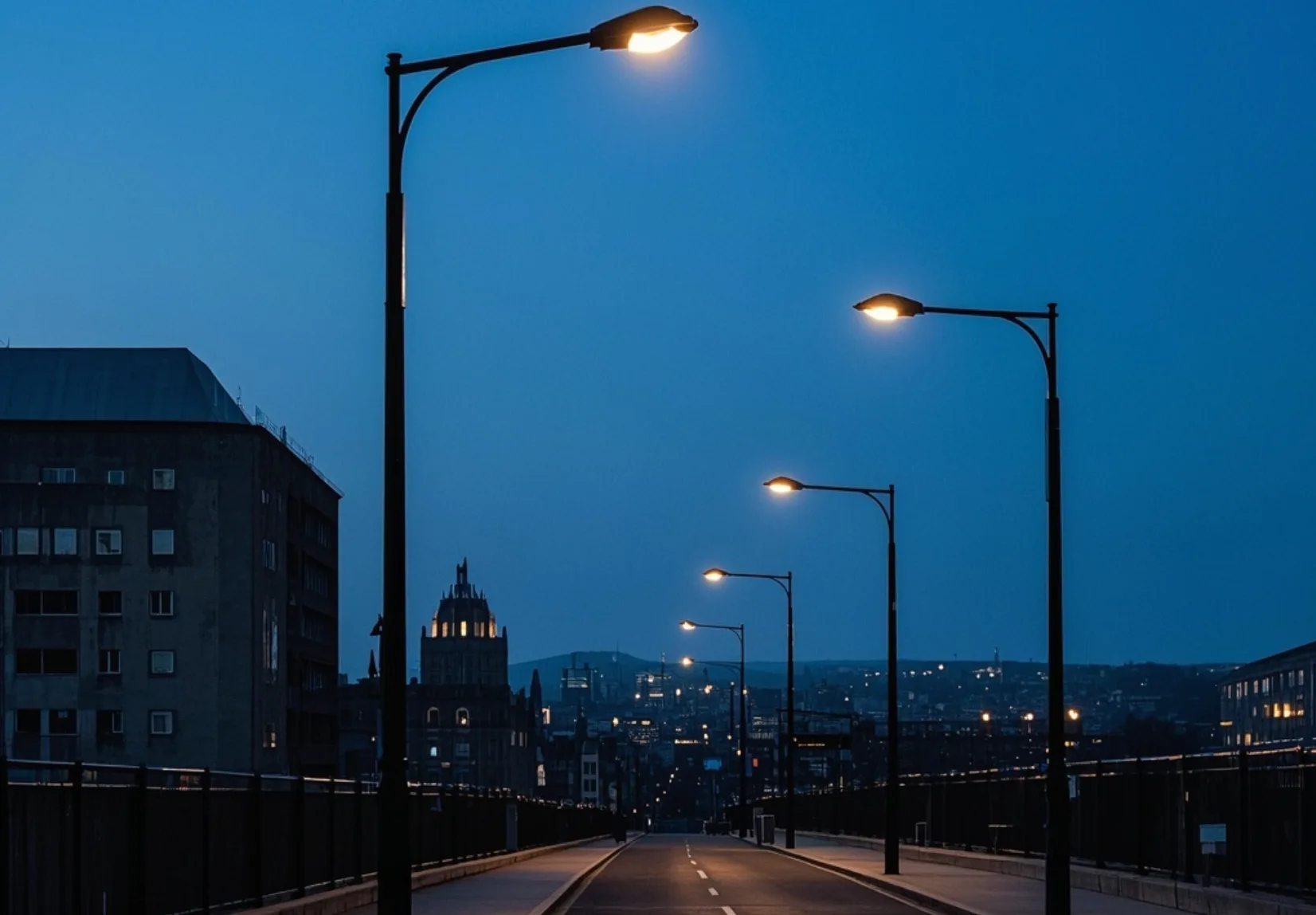
Coastal atmospheres contain elevated concentrations of airborne chlorides that aggressively accelerate the chemical oxidation process of standard metals. When deploying Steel Light Poles near oceans or tidal estuaries, structural engineers must account for continuous salt spray, extreme humidity, and high ultraviolet exposure. Standard carbon steel degrades rapidly in these aggressive microclimates without the application of heavy, specialized industrial coatings.
Stainless Steel Light Poles actively counteract chloride attacks through their unique self-healing chemical composition. The harsh marine environment continuously strips away standard paint on traditional structures, exposing the raw metal underneath to rapid galvanic corrosion. Selecting marine-grade alloy solutions prevents this deep structural decay and entirely eliminates the risk of sudden mechanical failure in populated coastal public spaces.
Material Composition and Metallurgical Advantages
Marine-grade stainless steel contains a minimum of 10.5% chromium, which reacts with oxygen to create a continuous, self-healing passive oxide layer. This microscopic, invisible shield makes Stainless Steel Light Poles highly resistant to rust, even when the physical surface is scratched or mechanically damaged by flying coastal debris. This self-repairing mechanism is the defining characteristic that separates stainless alloys from standard carbon steel.
Grade 316 is the absolute industry standard for coastal Steel Light Poles due to the specific addition of molybdenum into the alloy matrix. Molybdenum significantly enhances the metal’s resistance to pitting and crevice corrosion in highly concentrated chloride-rich environments. According to materials science research from the National Institute of Standards and Technology (NIST), Grade 316 steel maintains its structural integrity exponentially longer than standard Grade 304 when subjected to continuous saltwater exposure.
Comparing Structural Materials for Coastal Deployments
Evaluating distinct material properties is essential for municipal planners designing long-lasting coastal infrastructure. While lightweight aluminum naturally resists rust, it fundamentally lacks the high tensile strength required to survive direct hurricane-force winds. Stainless Steel Light Poles successfully bridge this engineering gap by combining the extreme physical strength of iron-based alloys with superior, natural rust immunity.
Table 1: Material Performance Comparison for Marine Environments
| Evaluation Criteria | Stainless Steel Light Poles | Aluminum Poles | Standard Carbon Steel Poles |
|---|---|---|---|
| Tensile Strength | Extremely high; ideal for hurricane zones | Moderate; vulnerable to high wind bending | High; requires thick walls for structural safety |
| Corrosion Resistance | Excellent (Grade 316); immune to salt air | Good; naturally forms protective oxide | Poor; rapidly rusts without constant coating |
| Maintenance Needs | Negligible; requires occasional washing | Low; susceptible to surface pitting over time | High; demands cyclical rust removal and repainting |
| Lifecycle ROI | Outstanding over a 40-year projected span | Moderate; limited by structural lifespan | Poor in coastal zones due to high replacement costs |
The initial procurement cost of Stainless Steel Light Poles is noticeably higher, but the lifecycle financial value far exceeds traditional support materials. Frequent replacement of corroded carbon steel columns heavily strains municipal budgets and disrupts local traffic. Investing in high-grade marine steel effectively neutralizes these recurring maintenance expenses.
Structural Integrity and High Wind Resistance
Coastal geographic regions frequently experience extreme weather events, necessitating physical infrastructure capable of withstanding severe hurricane-force winds. High-quality Steel Light Poles possess a superior yield strength that actively prevents hazardous bending or structural snapping during intense cyclonic storms. This rigidity ensures that heavy luminaires remain securely fastened above civilian roadways.
The inherent structural rigidity of Stainless Steel Light Poles allows them to safely support heavier environmental payloads, including large LED luminaires, solar panels, and storm-warning sirens. When engineering coastal roadways, structural deflection must be heavily minimized to maintain an accurate and safe lighting distribution. Solid stainless steel construction guarantees this critical dimensional stability under heavy aerodynamic drag.
Strict adherence to federal highway standards ensures maximum infrastructural safety in designated high-wind coastal zones. The Federal Highway Administration (FHWA) mandates exact wind load engineering calculations for all structural supports located near shorelines. Deploying highly durable Steel Light Poles guarantees total compliance with these stringent federal safety directives.
Applications in Modern Coastal Urban Planning
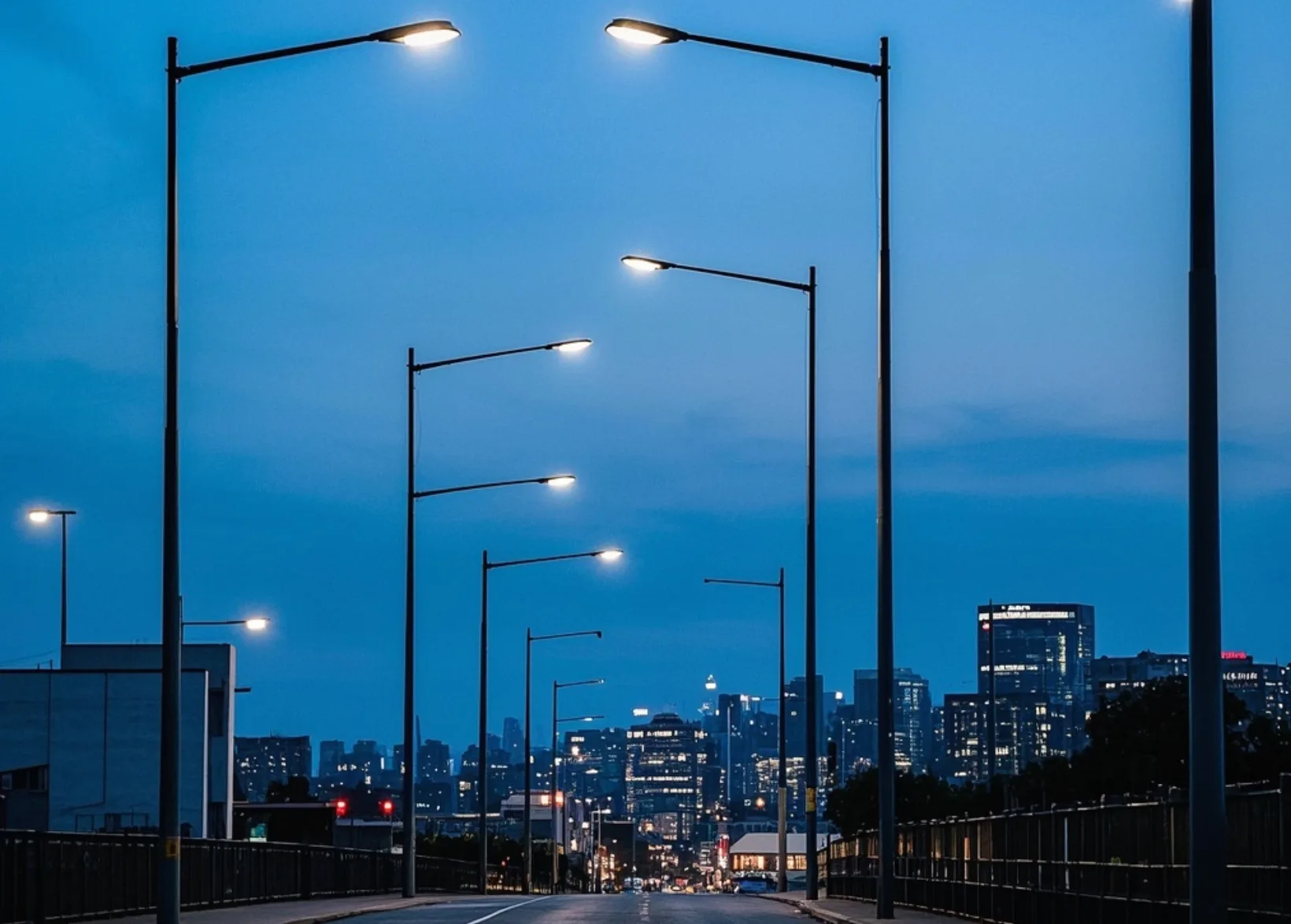
Coastal urban planners consistently utilize a variety of pole architectures to fulfill both aesthetic guidelines and functional municipal requirements. Standard Roadway lighting poles engineered from marine-grade stainless steel illuminate oceanfront highways safely and reliably throughout the year. Their naturally reflective metallic surface also enhances the premium, modern aesthetic of upscale beachfront commercial developments.
Integrating digital technology into coastal promenades requires robust physical supports capable of housing sensitive electronic components. Heavy-duty Smart poles manufactured from stainless steel safely conceal 5G cellular antennas and automated weather sensors from the harsh marine elements. The hermetically sealed tubular design prevents corrosive salt air from penetrating and destroying internal digital circuit boards.
Historic waterfront districts often prioritize architectural aesthetics alongside mandatory environmental resilience. A custom-fabricated stainless steel Decorative Pole can be finished with specialized marine-grade powder coatings to flawlessly mimic antique cast iron. This engineering strategy completely avoids cast iron’s dangerous structural brittleness and extreme susceptibility to coastal rust.
Maintenance Reductions and Lifecycle Cost Analysis
Comprehensive lifecycle cost analysis reveals that Stainless Steel Light Poles represent the most economically viable option for long-term coastal municipal projects. Traditional galvanized columns require rigorous, cyclical repainting and rust-removal protocols every five to seven years to remain structurally sound. Marine-grade stainless steel infrastructure completely eliminates these expensive, labor-intensive maintenance cycles.
Lowering active maintenance requirements directly reduces traffic disruptions and hazardous labor conditions on busy coastal highways. Inspecting and repairing standard Steel Light Poles often requires extensive lane closures, specialized traffic control, and heavy lifting equipment. Stainless Steel Light Poles maintain their structural safety passively, allowing municipal public works crews to allocate finite resources elsewhere.
Table 2: 30-Year Lifecycle Cost Projection (Industry Estimate)
| Cost Category | Stainless Steel Poles (Grade 316) | Standard Galvanized Steel Poles |
|---|---|---|
| Initial Capital Expenditure | High Base Cost | Moderate Base Cost |
| 5-Year Routine Maintenance | $0 (Natural passive resistance) | 300−500 per unit (Repainting) |
| 15-Year Structural Repair | $0 (Maintains core integrity) | 800−1,200 per unit (Rust mitigation) |
| Total 30-Year Ownership Cost | Remains close to initial purchase price | Can exceed 300% of the initial purchase price |
Aesthetic Finishes and Environmental Sustainability
Stainless Steel Light Poles offer diverse surface finish profiles, including brushed, mechanically polished, or specialized powder-coated options. A heavy brushed finish effectively masks minor mechanical scratches caused by wind-blown coastal sand, maintaining a pristine appearance for decades. Importantly, these aesthetic surface choices do not compromise the underlying structural resistance of the Steel Light Poles.
Stainless steel is globally recognized as a highly sustainable building material, aligning perfectly with modern green building and eco-friendly municipal initiatives. The material is 100% recyclable at the conclusion of its prolonged lifecycle without any degradation in raw metal quality. According to the U.S. Department of Energy (DOE), utilizing sustainable, long-lasting physical infrastructure drastically reduces the carbon footprint associated with heavy municipal manufacturing.
Additional Form Factors for Coastal Facilities
Beyond standard highway street lighting, expansive coastal facilities require specialized support columns tailored for highly specific operational needs. Marine-grade Flag poles deployed at coastal marinas and naval bases must withstand constant aerodynamic drag from strong, uninterrupted sea breezes. Stainless steel fabrication ensures these tall structures remain perfectly vertical, secure, and safe.
Oceanfront resort pathways and coastal public parks rely heavily on low-level illumination for continuous pedestrian safety. Stainless steel Garden poles provide this essential directional pathway lighting without rapidly succumbing to the constant moisture of thick coastal fog and automated landscape sprinkler systems. Their corrosion resistance ensures consistent operation in permanently damp soil.
Engineering Selection Criteria and Guidelines
Selecting the optimal Stainless Steel Light Poles requires precise engineering calculations based exclusively on site-specific environmental data. Civil engineers must rigorously prioritize Grade 316 stainless alloy for any structural installation located within a five-mile radius of a saltwater coast. Downgrading to Grade 304 in these specific zones will inevitably lead to premature surface pitting and structural failure.
Evaluating the Effective Projected Area (EPA) remains a mandatory safety step for all coastal Steel Light Poles carrying multiple fixtures. The EPA value determines exactly how much kinetic wind pressure the luminaires will mathematically transfer down to the pole shaft. Specifying drastically thicker steel walls successfully mitigates the elevated EPA loads that are universally common in hurricane-prone regions.
Table 3: Coastal Infrastructure Procurement Checklist
| Engineering Variable | Required Standard for Marine Environments | Consequence of Non-Compliance |
|---|---|---|
| Alloy Specification | Minimum Grade 316 Stainless Steel | Rapid chloride-induced pitting and early structural rust. |
| Wall Thickness | Minimum 7-Gauge to 11-Gauge | Catastrophic bending during sustained hurricane wind loads. |
| Foundation Anchoring | 316 Stainless Steel Anchor Bolts | Base-level shearing; immediate structural collapse under load. |
| Vibration Dampening | Internal First-Mode Dampeners (For poles >30ft) | Micro-cracking near weld joints due to harmonic wind vibration. |
When finalizing procurement for a dedicated Steel Light Pole network, contractors must demand comprehensive mill test certificates from the manufacturer. These verified documents scientifically prove the exact chromium and molybdenum content of the raw steel batch. Ensuring material authenticity guarantees the long-term success and absolute safety of any coastal illumination project.
Frequently Asked Questions (FAQ)
Q1: What makes Grade 316 stainless steel better than Grade 304 for coastal lighting?
Grade 316 contains a specific addition of molybdenum, a chemical element that drastically improves resistance to chloride-induced pitting. While Grade 304 is suitable for inland urban environments, the constant exposure to high-salinity ocean air requires the enhanced chemical stability of Grade 316 to prevent rapid degradation.
Q2: Do stainless steel lighting columns require specialized concrete foundations?
The concrete footing design remains similar to standard structures, but the critical difference lies in the anchoring hardware. Engineers must utilize matching marine-grade stainless steel anchor bolts and base nuts. Using standard galvanized bolts with a stainless pole causes galvanic corrosion, leading to severe base-level structural failures.
Q3: Can stainless steel structures be painted to match specific city aesthetics?
Yes. While the raw brushed metal look is highly popular, stainless steel can be treated with specialized marine-grade powder coatings. This allows urban planners to match specific historical or commercial color schemes while still retaining the impenetrable rust-proof characteristics of the underlying core metal alloy.
Q4: How do coastal wind zones impact the required thickness of the pole shaft?
High-velocity coastal wind zones mandate thicker steel walls, typically ranging from 7-gauge to 11-gauge, to resist extreme kinetic pressure. Engineers calculate local wind speed maximums alongside the physical size of the attached lighting fixtures to determine the exact gauge required to prevent mechanical deflection during severe storms.
Q5: Are there any environmental benefits to choosing stainless steel over coated aluminum?
Stainless steel is exceptionally environmentally friendly due to its complete recyclability and lack of toxic runoff. Unlike coated metals that can shed micro-plastics or degraded chemical paints into sensitive coastal ecosystems over time, bare stainless steel remains chemically inert and safe for nearby marine habitats.