
The steel light pole industry relies heavily on powder coating to provide both aesthetic appeal and critical surface protection against oxidation. In standard outdoor environments, a high-quality powder coating typically lasts between 15 to 20 years before requiring significant maintenance or recoating. This lifespan is influenced by the interaction between the coating’s polymer bond and the underlying stainless steel light pole or carbon steel substrate.
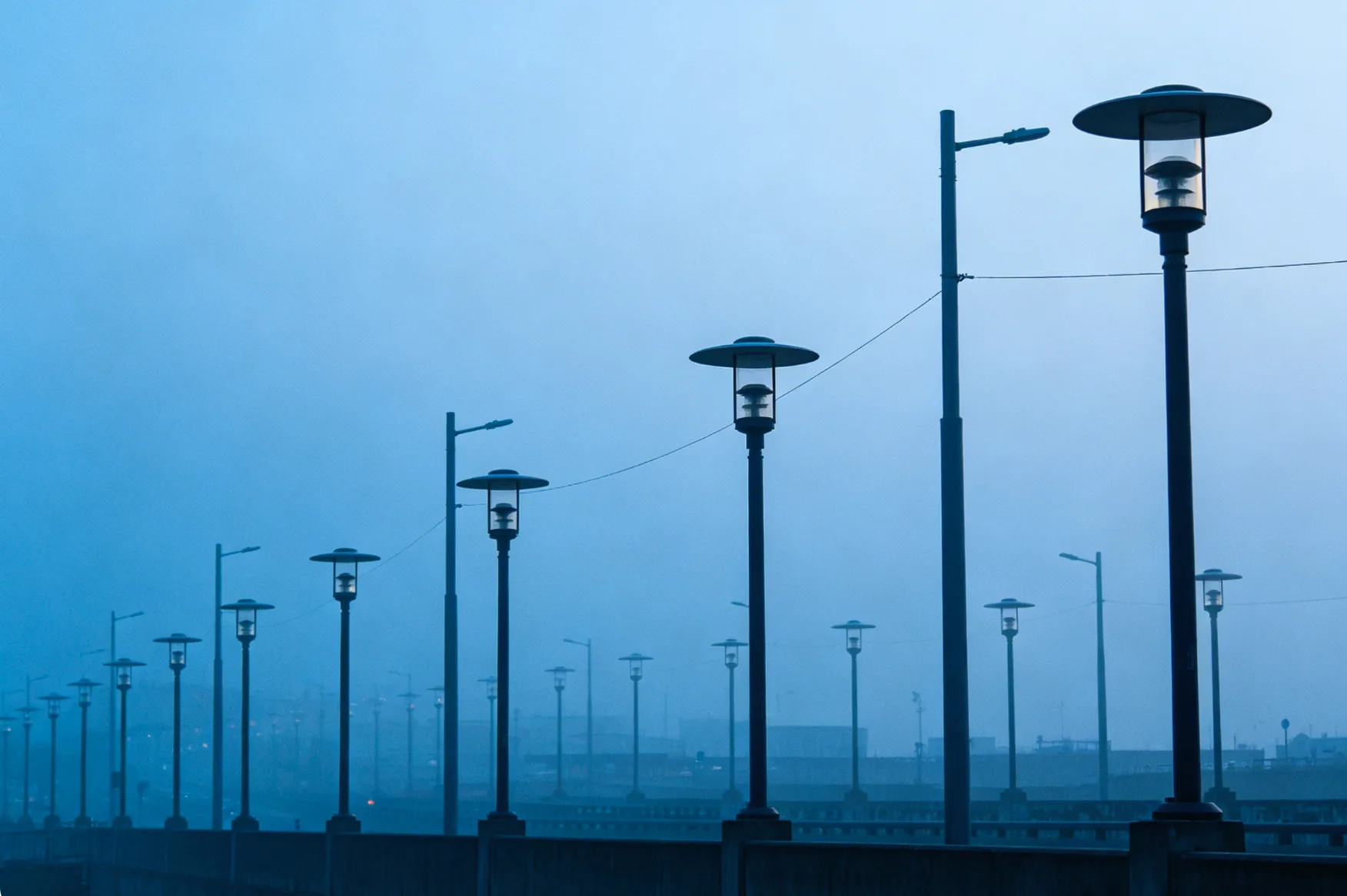
Understanding Powder Coating Longevity on Steel Structures
Powder coating is a dry finishing process where electrostatically charged particles are melted onto a metal surface to create a hard, continuous skin. Unlike liquid paint, which may last only 5 to 7 years in harsh conditions, powder-coated finishes on a steel light pole offer superior resistance to chipping and fading. According to industry data from 2024, the structural integrity of the coating remains intact as long as the chemical bond is not compromised by deep mechanical scratches or extreme UV degradation.
Factors Influencing the Lifespan of Protective Coatings
The environment is the primary determinant of how long a stainless steel light pole coating remains effective. Coastal areas with high salinity can reduce the lifespan of a standard coating to under 10 years, whereas dry, inland climates may see the coating survive for over 25 years. Moisture, temperature fluctuations, and chemical exposure (such as road salts) act as catalysts for “undercutting,” where corrosion spreads beneath the coating layer.
| Environmental Factor | Impact on Coating Lifespan | Typical Duration (Years) |
|---|---|---|
| Inland/Low Humidity | Minimal oxidation risk; low UV stress. | 20 – 30 Years |
| Industrial/Urban | Exposure to pollutants and acid rain. | 12 – 18 Years |
| Coastal/Marine | High salt-spray and constant moisture. | 5 – 10 Years |
Technical Standards and Performance Benchmarks
To ensure maximum durability, manufacturers often test coatings against ASTM B117 (Salt Spray Test) and ASTM D2247 (Humidity Resistance) . For a steel light pole used in municipal infrastructure, a coating that survives 3,000 hours of salt spray without “red rust” formation is considered high-performance. Modern fluoropolymer powders are increasingly utilized for high-traffic areas to extend the color retention period beyond the 15-year mark.
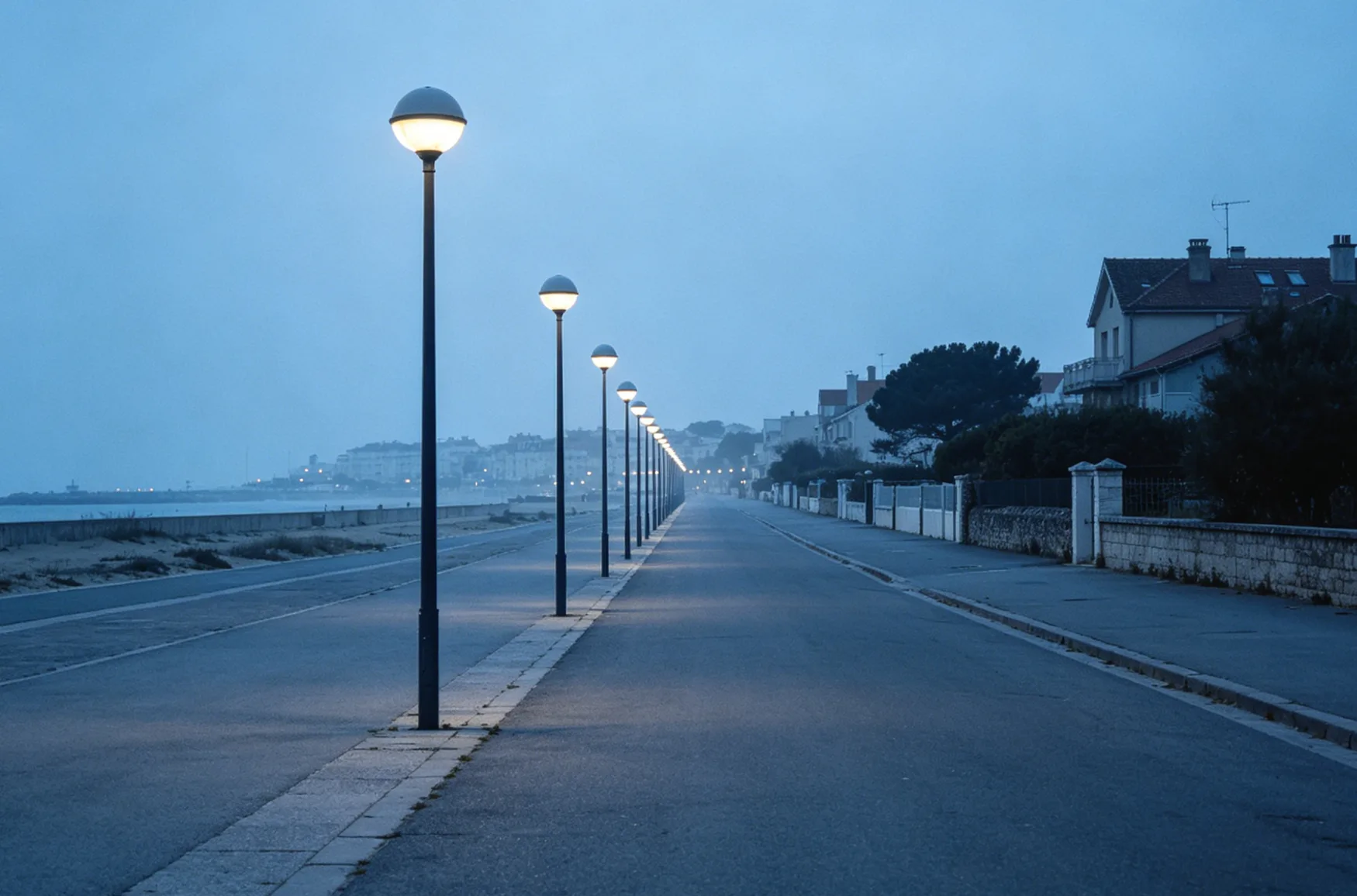
Comparison: Powder Coating vs. Other Finishes
When selecting a finish for a stainless steel light pole, it is essential to compare powder coating with traditional wet paint and hot-dip galvanization. While galvanization provides the longest protection (often 50+ years), powder coating is preferred for projects requiring specific RAL colors and a smoother architectural finish. Many modern Smart Light Poles utilize a “duplex system”—applying powder coating over a galvanized base—to achieve maximum longevity.
| Feature | Powder Coating | Wet Paint | Hot-Dip Galvanizing |
|---|---|---|---|
| Average Lifespan | 15 – 20 Years | 5 – 10 Years | 50+ Years |
| Maintenance Need | Low | High | Minimal |
| Color Options | Unlimited | Unlimited | Grey/Metallic Only |
| Eco-Friendliness | High (No VOCs) | Low (High VOCs) | Medium |
Maintenance Protocols for Extending Service Life
Regular cleaning is the most effective way to preserve the finish on a steel light pole. Using a mild soap and water solution twice a year removes corrosive deposits and prevents the “chalking” effect caused by UV radiation. It is vital to avoid abrasive tools or harsh chemical solvents, which can micro-fracture the coating surface. For Garden Light Poles and residential areas, simple inspections for “spiderweb” cracking can identify issues before moisture reaches the steel.
FAQ
How do I know when my steel light pole needs recoating?
Look for signs of “chalking” (a powdery white residue), significant color fading, or visible rust spots emerging from the seams. If more than 10% of the surface area shows coating failure, a professional sandblasting and recoating process is usually recommended to prevent structural damage.
Can you powder coat over a stainless steel light pole?
Yes, but the surface requires specialized pre-treatment. While stainless steel is naturally corrosion-resistant, powder coating is often applied for architectural color coordination. Proper etching or abrasive blasting is necessary to ensure the powder adheres correctly to the smooth stainless surface.
Does the thickness of the powder coating affect its lifespan?
Typically, an outdoor steel light pole requires a thickness of 60 to 80 microns (2.5 to 3.0 mils). Coatings that are too thin will fail prematurely due to porosity, while excessively thick coatings may become brittle and crack during thermal expansion cycles.
How does UV radiation specifically damage the coating?
UV rays break down the chemical bonds in the polyester resins used in most powders. This leads to a loss of gloss and eventual thinning of the protective layer. Using UV-stabilized or “super-durable” powders can extend the aesthetic life of the pole in sunny climates.
Is powder coating on steel poles environmentally friendly?
Yes, powder coating is considered a “green” technology because it contains no Volatile Organic Compounds (VOCs) and produces almost zero waste. Overspray can be reclaimed and reused, making it a sustainable choice for modern High Mast Light Poles projects.