
Selecting the appropriate wall thickness for Standard Steel Light Poles is a critical engineering decision that ensures structural safety and long-term durability in municipal infrastructure. This guide provides a technical overview of how wall thickness impacts performance, safety standards, and environmental resilience for modern lighting projects.
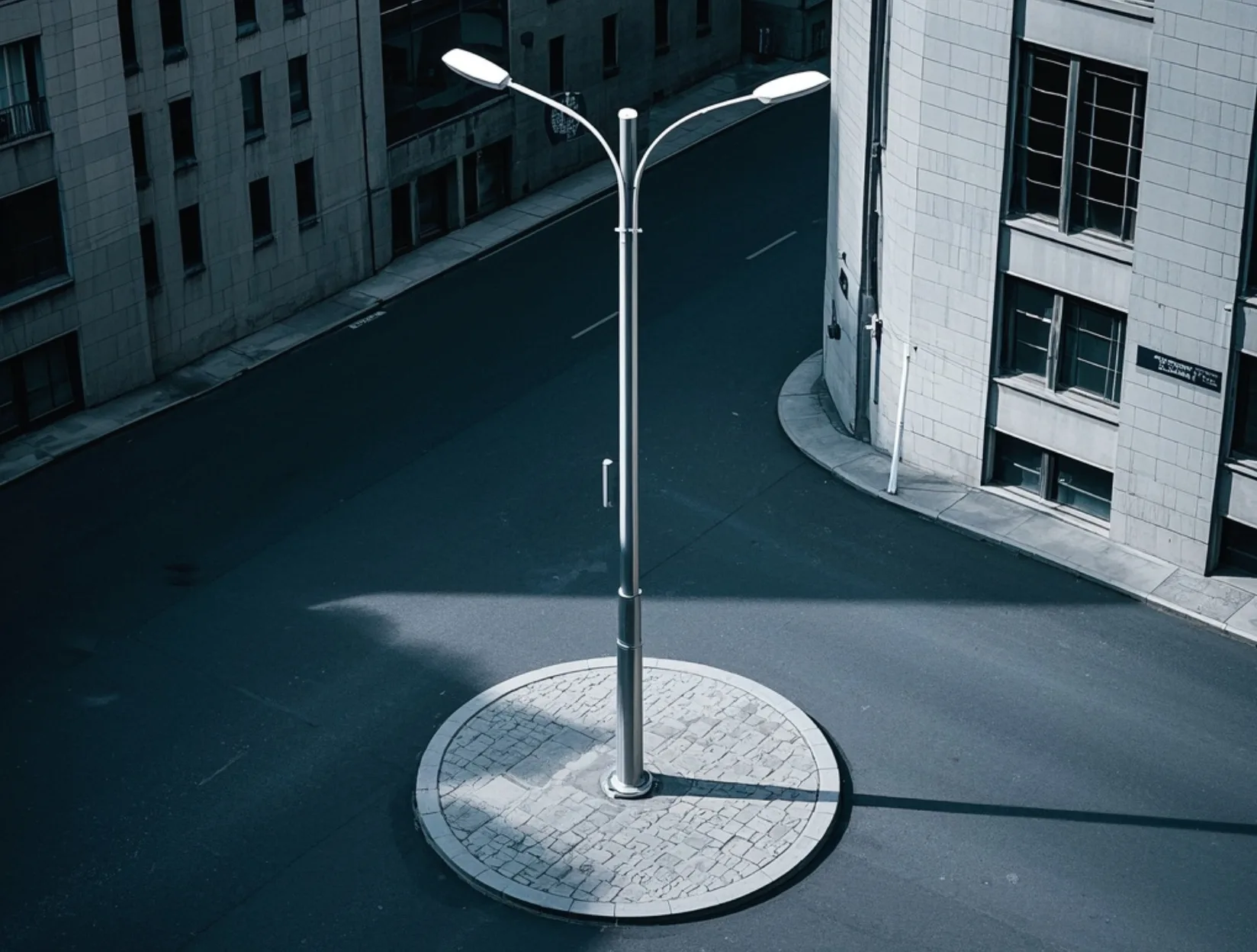
Defining Wall Thickness in Steel Light Pole Engineering
Wall thickness refers to the measurement of the steel material used to construct the pole’s shaft, typically ranging from 3mm to 8mm for most standard applications. In structural engineering, wall thickness is the primary factor determining a pole’s resistance to bending moments and shear forces. For Standard Steel Light Poles, the thickness is not a arbitrary number but a calculated response to the Effective Projected Area (EPA) of the fixtures it will support.
The Relationship Between Wall Thickness and Wind Load
Wind load is the most significant environmental stressor on a lighting structure. The wall thickness must be sufficient to withstand the maximum wind speeds recorded in a specific geographical zone without exceeding the material’s yield strength. According to industry estimates, increasing wall thickness by just 1mm can enhance the structural wind resistance by up to 15% in certain tapered designs. Engineers use AASHTO (American Association of State Highway and Transportation Officials) standards to determine the necessary thickness based on regional wind maps.
Comparison Table: Wall Thickness vs. Application Suitability
| Wall Thickness | Typical Height | Recommended Application | Wind Resistance Level |
|---|---|---|---|
| 3.0 mm (11 Gauge) | 3m – 6m | Residential Areas, Footpaths | Low to Moderate |
| 4.0 mm (7 Gauge) | 6m – 10m | Secondary Roads, Parking Lots | Moderate to High |
| 5.0 mm+ | 10m – 15m+ | Highways, Stadiums, Industrial | Extreme |
Material Selection: Standard Steel vs. Stainless Steel
While Standard Steel Light Poles offer excellent cost-to-strength ratios, environmental conditions may dictate a shift in material or an increase in thickness. In high-corrosion zones, Stainless Steel Light Poles are often preferred due to their inherent resistance to oxidation. However, for standard carbon steel, the wall thickness must account for a “corrosion allowance” if the galvanization layer is compromised. The structural integrity of a pole is a product of both the material grade (e.g., Q235 or Q345 steel) and its physical dimensions.
Impact on Vibration and Fatigue Life
Structural fatigue, often caused by Aeolian vibration, can lead to premature failure in light poles with inadequate wall thickness. Thicker walls provide higher mass and different damping characteristics, which can shift the natural frequency of the pole away from common wind-induced harmonic frequencies. For projects involving Roadway Lighting Poles, ensuring a minimum wall thickness of 4mm is a common practice to mitigate long-term fatigue cracks at the base plate connection.
Installation and Foundation Considerations
The thickness of the pole wall directly influences the total weight of the structure, which in turn dictates the design of the concrete foundation and the size of the anchor bolts. A heavier wall requires a more robust Decorative Pole base to ensure stability. Contractors must ensure that the inner diameter of the pole at the base is compatible with the wiring requirements, as thicker walls slightly reduce the internal clearance for electrical components and handhole access.
Standard Compliance and Testing Protocols
Every reputable manufacturer follows strict ASTM (American Society for Testing and Materials) or EN (European Standards) protocols to verify wall thickness during the Manufacturing Processes. Ultrasonic thickness gauging is the industry-standard non-destructive testing method used to ensure that the delivered product matches the engineering specifications. According to ASTM A595, the tolerance for wall thickness typically allows for minor variations, but the minimum must always meet the structural safety factor.
Selection Checklist for Project Managers
To ensure the longevity of urban infrastructure, project managers should follow this selection checklist:
- Determine Wind Zone: Identify the maximum wind speed (mph or km/h) for the installation site.
- Calculate EPA: Sum the total surface area of all fixtures, brackets, and banners.
- Assess Material Grade: Choose between standard carbon steel or Stainless Steel Light Poles based on local salinity.
- Verify Standards: Ensure compliance with AASHTO Standard Specifications for Structural Supports.
- Confirm Finishing: Decide on hot-dip galvanizing or powder coating for added protection.
Technical Specification Comparison
| Feature | Standard Steel (Q235) | High-Strength Steel (Q345) | Stainless Steel (304/316) |
|---|---|---|---|
| Yield Strength | ~235 MPa | ~345 MPa | ~205-290 MPa |
| Wall Thickness Needs | Standard | Can be thinner for same load | Standard |
| Corrosion Resistance | Moderate (if galvanized) | Moderate (if galvanized) | Excellent |
| Best For | Steel Light Pole | High-load Highways | Coastal/Luxury Areas |
The Role of Tapering in Wall Thickness Efficiency
Most modern Standard Steel Light Poles are tapered (round or octagonal) to optimize material usage. Tapering allows for a thicker wall at the base, where the bending moment is highest, and a thinner profile toward the top. This design reduces the overall weight and “sail area” of the pole, making it more efficient and cost-effective. According to International Energy Agency (IEA) discussions on smart infrastructure, optimized pole designs contribute to lower carbon footprints in urban development.
Summary of Engineering Best Practices
In conclusion, wall thickness is the foundational element of light pole safety. For most municipal projects, a wall thickness between 3.5mm and 5.0mm for Standard Steel Light Poles provides the best balance of safety, cost, and ease of installation. Always consult with a certified structural engineer to validate thickness calculations against local building codes and specific fixture weights.
Frequently Asked Questions (FAQ)
1. How does wall thickness affect the cost of steel light poles?
Wall thickness is a primary driver of cost because steel is priced by weight. Thicker walls require more raw material and involve more complex Manufacturing Processes, leading to higher transportation and installation costs. However, investing in adequate thickness prevents expensive replacements due to wind damage or structural fatigue.
2. Can I use a thinner wall if I choose high-strength steel?
Yes, utilizing high-tensile steel like Q345 allows for a reduction in wall thickness while maintaining the same structural load capacity as thicker Q235 steel. This is a common strategy to reduce the overall weight of the pole for easier handling, provided it meets the local deflection and vibration standards.
3. What is the standard wall thickness for a 20-foot street light pole?
For a 20-foot (approx. 6m) Steel Light Pole, the standard wall thickness is typically 3.0mm (11 gauge) or 4.0mm (7 gauge). The choice depends heavily on the weight of the LED luminaire and the local wind speed requirements of the installation site.
4. Does wall thickness impact the galvanization process?
While thickness doesn’t change the chemical reaction of hot-dip galvanizing, thicker steel retains heat longer, which can result in a slightly thicker and more durable zinc coating. This provides superior long-term protection against rust compared to very thin-walled structures that may cool too quickly.
5. How do I verify the wall thickness of a delivered light pole?
The most accurate way to verify thickness without damaging the pole is using an ultrasonic thickness gauge. This device measures the time it takes for sound waves to travel through the metal. You should also check the manufacturer’s mill test certificate (MTC) to ensure compliance with the original specifications.