
B2B buyers sourcing street light poles must verify quality certifications to ensure safety, durability, and regulatory compliance. These certifications serve as objective evidence that manufacturers meet international standards for structural integrity, material quality, and environmental resistance. Without proper verification, projects face costly failures, legal liabilities, and reputational damage. This article examines the 10 essential quality certifications that professional buyers check during the supplier evaluation process for street light pole sourcing.
Why Quality Certifications Matter in Street Light Pole Sourcing
Quality certifications provide standardized verification that street light poles meet defined performance criteria. Buyers in the B2B street lighting market operate under strict procurement guidelines that mandate documented compliance. These standards reduce project risk by ensuring poles can withstand environmental stressors including wind loads, seismic activity, and corrosion. When sourcing from international manufacturers, certifications bridge the gap between buyer specifications and supplier capabilities. For projects requiring poles for urban and landscape applications, certifications confirm that decorative and functional designs maintain structural integrity. Professional buyers treat certifications as a primary screening criterion because they represent third-party verification rather than self-claimed quality claims.
The 10 Essential Certifications for Street Light Poles
Professional buyers evaluate street light poles against these 10 key certifications during the sourcing process. Each certification addresses specific quality dimensions that collectively ensure product reliability.
1. ISO 9001 – Quality Management Systems
ISO 9001 establishes the foundational framework for consistent quality management in manufacturing environments. Street light pole manufacturers with ISO 9001 certification demonstrate systematic processes for design, production, and quality control. This certification requires regular audits that verify continuous improvement practices and customer satisfaction tracking. Buyers sourcing from suppliers like Morelux’s steel light pole category often prioritize ISO 9001 as evidence of manufacturing discipline.
2. ISO 14001 – Environmental Management Systems
ISO 14001 certification confirms that manufacturers implement environmental management practices compliant with international sustainability standards. Street light pole production involves processes that can impact air quality, water usage, and waste management. This certification demonstrates a manufacturer’s commitment to reducing environmental footprint throughout the production cycle. Buyers with corporate sustainability mandates frequently require ISO 14001 as a prerequisite for supplier qualification. Organizations seeking to enhance their sustainability verification processes can consult resources from NIST for environmental management guidelines.
3. ISO 69487 – Structural Steel Standards
The ISO 69487 standard provides specific requirements for structural steel applications including street light pole manufacturing. This certification ensures that steel materials meet mechanical property requirements for strength, ductility, and weldability. Premium manufacturers producing corrosion-resistant outdoor street lighting poles reference this standard to verify material specifications.
4. ASTM A572 – High-Strength Low-Alloy Steel
ASTM A572 specifies requirements for high-strength low-alloy structural steel shapes, plates, and bars used in street light pole manufacturing. This standard ensures material consistency across different production batches, which is critical for large-scale municipal projects. Poles manufactured to ASTM A572 specifications provide superior load-bearing capacity compared to standard carbon steel alternatives. Professional buyers verify mill certificates confirming ASTM compliance before approving supplier bids.
5. EN 40 – European Standards for Lighting Columns
EN 40 establishes the European standard for the design and testing of lighting columns, including street light poles. This comprehensive standard covers dimensions, materials, structural calculations, and safety factors. For projects in European markets or international projects requiring European compliance, EN 40 certification is mandatory. The standard includes specific provisions for fatigue resistance under wind loading conditions common in outdoor environments. Manufacturers offering artistic European-designed decorative poles must ensure compliance with EN 40 requirements for structural integrity.
6. AASHTO LTS – American Association of State Highway Specifications
AASHTO LTS specifications address structural supports for highway signs, luminaires, and traffic signals including street light poles. This American standard provides rigorous requirements for pole design against vehicle impact and extreme weather conditions. Buyers sourcing poles for highway applications must verify AASHTO LTS compliance to meet federal funding requirements. The standard specifies impact resistance testing that simulates real-world collision scenarios.
7. CE Marking – European Conformity
CE marking indicates conformity with health, safety, and environmental protection requirements for products sold within the European Economic Area. For street light poles, CE marking confirms compliance with applicable EU directives including the Construction Products Regulation. This certification is essential for manufacturers supplying classical ornamental street lighting poles to European projects. Buyers should verify CE marking documentation includes declaration of performance and technical files.
8. GB/T Standards – Chinese National Standards
GB/T standards represent Chinese national standards for industrial products, including specifications for lighting pole manufacturing. Street light poles manufactured in China should comply with relevant GB/T requirements for structural steel products. These standards align with international practices while addressing specific conditions common in Chinese manufacturing environments. International buyers importing from Chinese manufacturers verify GB/T compliance as baseline quality assurance. Suppliers offering expressive classical decorative poles ensure these national standards are met for international export.
9. ASTM B117 – Corrosion Resistance Testing
ASTM B117 establishes the standard practice for operating salt spray (fog) apparatus to evaluate corrosion resistance of materials. Street light poles face continuous exposure to moisture, road salts, and industrial pollutants. This certification verifies that protective coatings and material selections withstand corrosive environments over expected service lifetimes. Tapered steel light poles undergo ASTM B117 testing to confirm coating durability in coastal and northern climate applications.
10. IEC 60529 – Ingress Protection Ratings
IEC 60529 defines the degrees of protection provided by electrical enclosures against solid objects and liquids. For street light poles with integrated electrical components, IP ratings confirm weatherproofing effectiveness. Common requirements for outdoor lighting applications include IP65 for general outdoor use and IP66 for harsh environments. Buyers verify ingress protection ratings to ensure electrical safety and component longevity in outdoor installations. For comprehensive web accessibility compliance verification in digital documentation, reference the W3C WCAG accessibility guidelines.
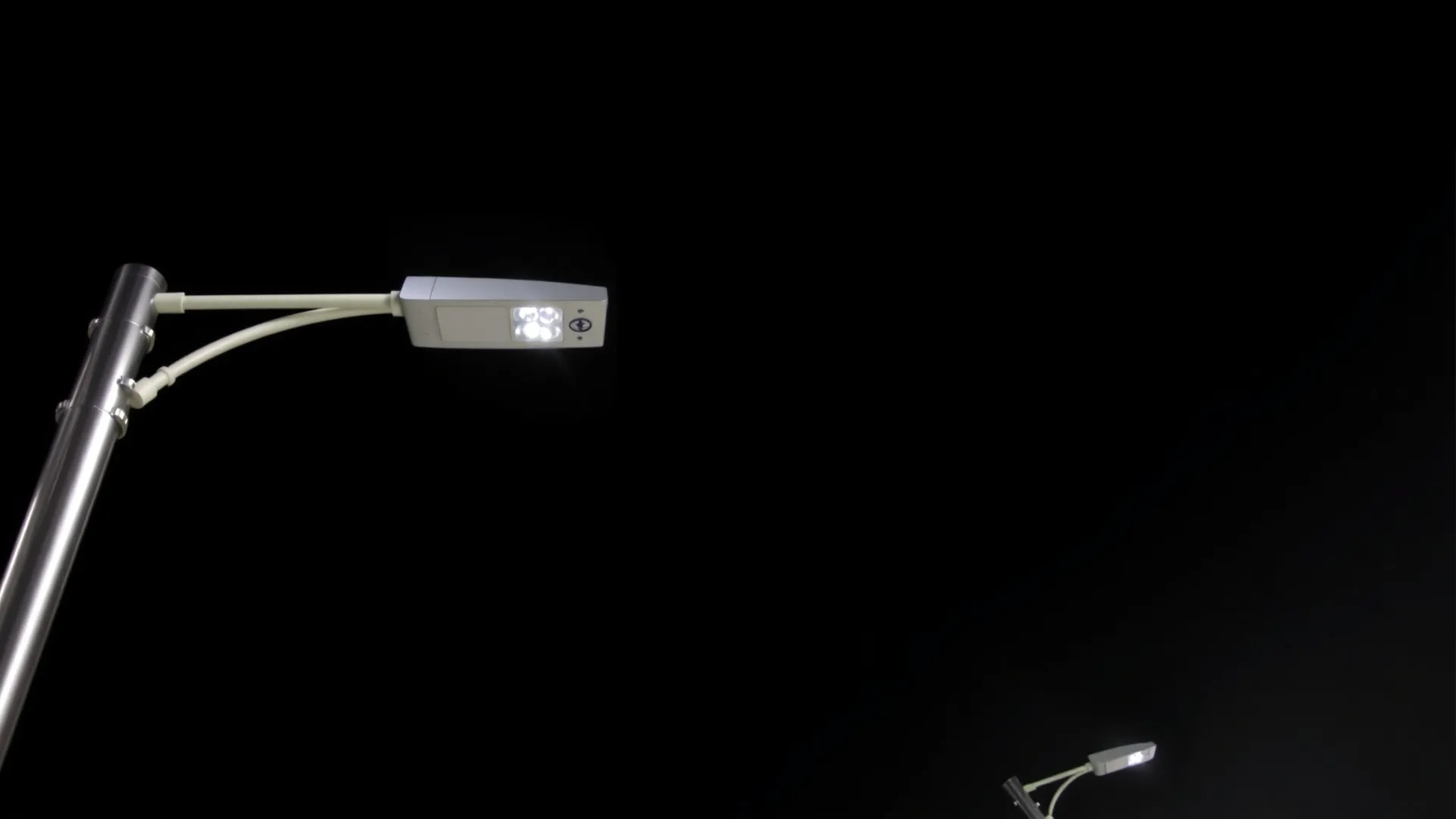
Certification Comparison: Key Specifications by Standard
The following table summarizes critical parameters addressed by each certification to help buyers quickly assess compliance scope.
| Certification | Primary Focus | Key Requirement | Typical Application |
|---|---|---|---|
| ISO 9001 | Quality Management | Process documentation | All manufacturing operations |
| ISO 14001 | Environmental Impact | Waste reduction | Sustainable procurement |
| ISO 69487 | Structural Steel | Mechanical properties | Material verification |
| ASTM A572 | Steel Strength | Yield strength ≥ 42 ksi | High-load applications |
| EN 40 | Lighting Columns | Wind load testing | European market |
| AASHTO LTS | Highway Structures | Impact resistance | Roadway lighting |
| CE Marking | EU Compliance | Declaration of performance | European projects |
| GB/T Standards | Chinese Standards | National compliance | China manufacturing |
| ASTM B117 | Corrosion Testing | 500+ hour salt spray | Coastal environments |
| IEC 60529 | Weatherproofing | IP65 minimum | Electrical safety |
How to Verify Certification Authenticity
Buyers must implement verification procedures to confirm that presented certifications are current, valid, and applicable to the specific products being sourced. Professional verification processes can benefit from SEO best practices when researching supplier credentials and certification databases online.
- Request certificate copies directly from manufacturers and verify certificate numbers against issuing body databases.
- Confirm that certification scope includes the specific product categories and manufacturing locations under evaluation.
- Check certification expiration dates and verify that renewal audits have been completed for current certificates.
- Request witness of third-party testing agencies or audit reports to corroborate certification claims.
- Contact certification bodies directly to validate certificate status when sourcing from international suppliers.
Common Mistakes Buyers Should Avoid
Professional buyers frequently encounter certification-related issues that can be avoided with proper due diligence during the sourcing process. Documentation and verification procedures should follow industry best practices outlined in the Google SEO documentation for online verification processes.
- Accepting self-certified claims without third-party verification from accredited testing laboratories.
- Assuming certifications from one product line apply to all products from the same manufacturer.
- Neglecting to verify that certification bodies hold proper accreditation for the specific standards claimed.
- Overlooking regional certification requirements when sourcing poles for projects in different jurisdictions.
- Failing to conduct periodic re-verification of certifications for long-term supplier relationships.
Decorative Pole Options for Aesthetic Street Lighting Projects
For projects prioritizing visual appeal alongside structural performance, decorative poles offer specialized solutions. The decorative pole category provides options that combine artistic design with certification compliance for urban beautification initiatives.
Waterproof Specifications for Outdoor Street Light Poles
Ensuring long-term durability in outdoor environments requires poles with superior waterproofing capabilities. Suppliers offering waterproof outdoor street light poles address critical requirements for coastal and high-humidity installations.
FAQs: Quality Certifications for Street Light Poles
What is the most important certification for street light pole sourcing?
ISO 9001 provides the foundational quality management framework, but the most critical certification depends on your specific application. Structural certifications like ISO 69487 or ASTM A572 matter most for load-bearing requirements, while IEC 60529 ingress protection ratings are essential for electrical safety.
How long are quality certifications valid?
Most certifications including ISO 9001 and ISO 14001 require annual surveillance audits and full recertification every three years. Product-specific certifications like CE marking remain valid as long as the product design and manufacturing conditions do not change.
Can I source poles without all 10 certifications?
The required certifications depend on your project specifications, geographic location, and client requirements. Not all 10 certifications apply to every project, but buyers should verify that applicable certifications cover structural safety, material quality, and environmental resistance for their specific use case.
How do I verify foreign manufacturer certifications?
Request certificate copies with registration numbers and verify directly through the issuing certification body’s public database. For Chinese manufacturers, verify GB/T compliance through China’s certification and accreditation administration. Third-party inspection agencies can also conduct factory audits to confirm certification validity.
What happens if a pole fails certification requirements after installation?
Certification failures after installation typically indicate inadequate verification during sourcing or manufacturing changes post-certification. Buyers should maintain documentation chains demonstrating verification procedures and include contractual provisions requiring manufacturers to provide current certifications at time of delivery.
Professional B2B buyers approach street light pole sourcing with systematic certification verification as a core component of supplier due diligence. By understanding these 10 essential certifications and implementing verification procedures, buyers can significantly reduce project risk while ensuring that sourced products meet the quality standards required for public infrastructure applications.