
Introduction
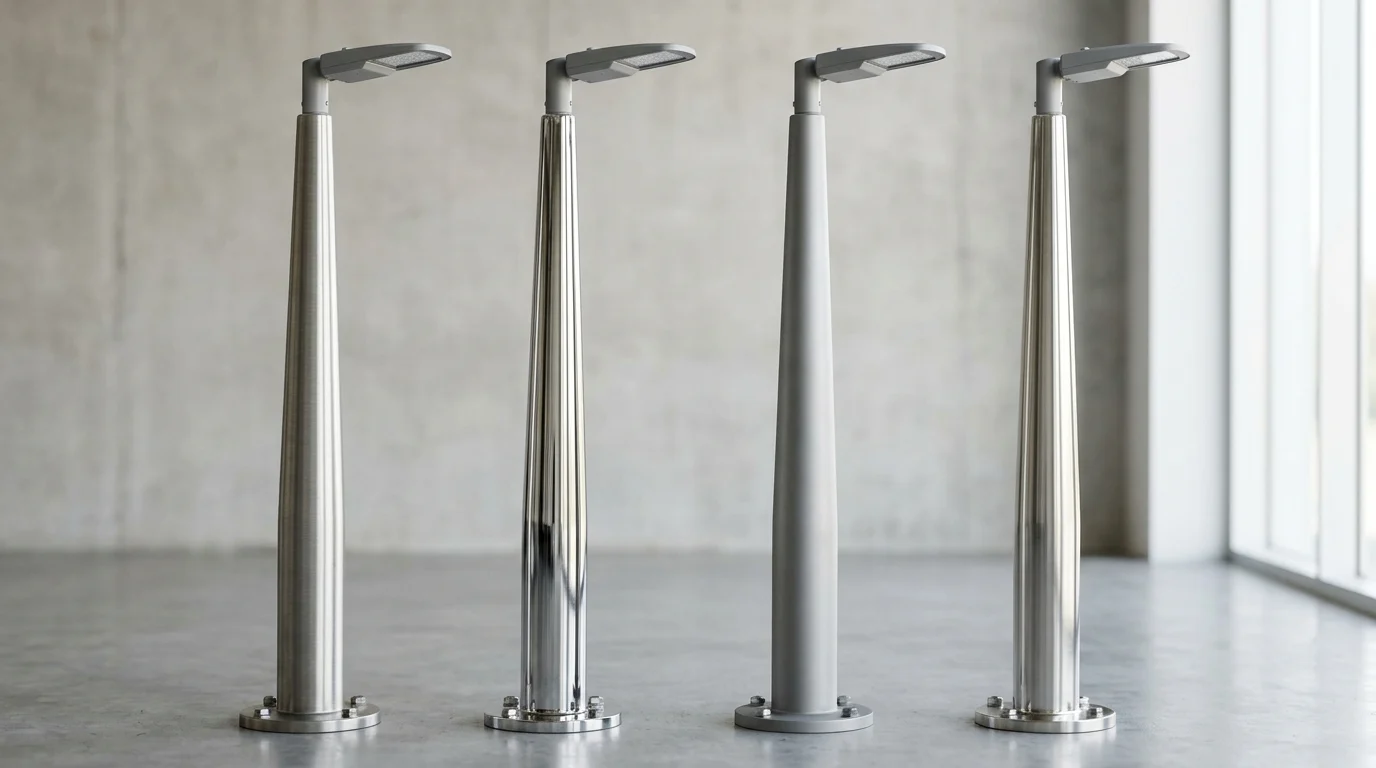
Choosing a finish for stainless steel light poles affects more than appearance. Surface texture influences corrosion resistance, dirt retention, maintenance frequency, and how well poles perform in coastal, industrial, or high-traffic settings. This article explains the main finish types used on stainless steel light poles, how surface roughness and specification standards shape long-term durability, and why the right finish can reduce lifecycle cost while improving visual consistency. It also sets up the key project conditions that make finish selection especially important, helping specifiers, engineers, and buyers connect finish decisions to real-world performance.
Why Surface Finish Matters for Stainless Steel Light Poles
The selection of surface finishes for stainless steel light poless](https://www.moreluxpost.com) extends far beyond aesthetic preference. While the reflective qualities of a pole contribute significantly to urban design and architectural harmony, the primary function of a surface finish is to enhance the material’s inherent corrosion resistance and structural longevity.
When specified correctly, the surface finish minimizes the microscopic peaks and valleys where contaminants accumulate, thereby extending the maintenance intervals and operational life of public infrastructure.
How should specifiers define stainless steel surface finishes
Specifiers must move beyond generic terms like “brushed” or “polished” and utilize standardized metrics to define surface finishes accurately. The most critical quantitative measure in this context is Surface Roughness Average (Ra), typically expressed in micrometers (µm) or microinches (µin).
For exterior stainless steel applications, industry best practices recommend specifying a surface finish with an Ra value of 0.5 µm (20 µin) or lower. Establishing a strict Ra threshold ensures the surface is smooth enough to promote natural washing by rainwater, thereby preventing the buildup of corrosive elements that lead to localized pitting.
Which project conditions make finish selection high impact
The impact of a surface finish is significantly magnified in aggressive macro-environments. Coastal regions, defined by atmospheric chloride concentrations exceeding 500 parts per million (ppm), demand exceptionally smooth finishes to prevent salt accumulation.
Similarly, light poles installed in heavy industrial zones or high-traffic urban corridors face constant exposure to sulfur dioxide and particulate matter. In these high-impact conditions, the difference between a standard mill finish and a highly refined, low-Ra finish can mean the difference between a pole that lasts five years before showing tea staining and one that remains pristine for decades.
Common Surface Finishes for Stainless Steel Light Poles
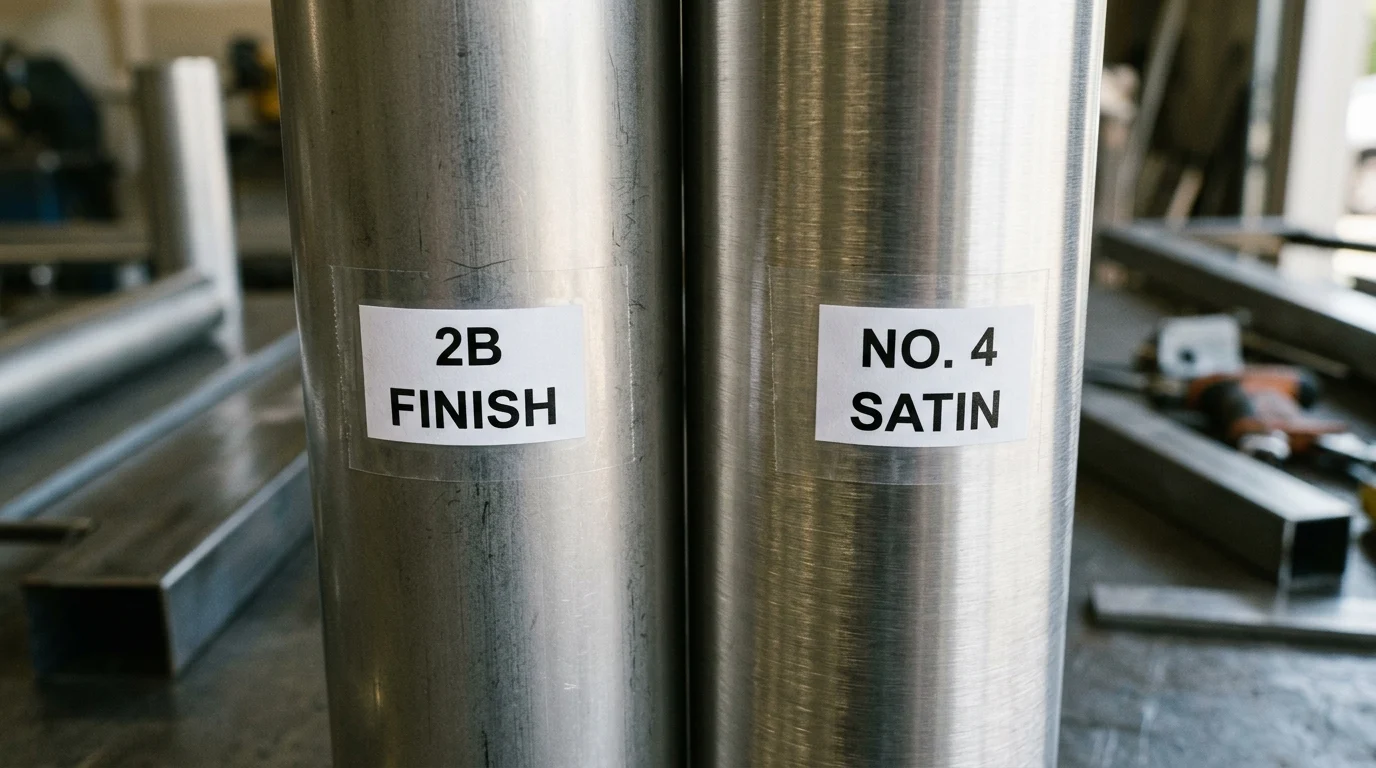
The stainless steel industry offers a standardized spectrum of surface finishes, each achieved through specific mechanical or chemical processes. Selecting the appropriate finish requires understanding how these processes alter the microscopic topography of the light pole and how those alterations perform in the field.
How do mill, brushed, polished, bead-blasted, and passivated fin
ishes compare
Mill finishes, such as No. 2B, provide a smooth, economical baseline but generally lack the decorative appeal required for visible urban infrastructure. A No. 4 brushed finish serves as the industry standard for light poles, created using 150- to 320-grit abrasives to produce a unidirectional grain that hides minor scratches.
For maximum corrosion resistance and aesthetic impact, a No. 8 mirror polish offers an ultra-smooth, highly reflective surface. Conversely, bead-blasted finishes provide a uniform, non-directional matte appearance that effectively diffuses light, making them ideal for reducing glare at busy traffic intersections. Passivation is not a distinct mechanical finish but a critical chemical treatment applied to all finishes to restore the protective chromium oxide layer post-fabrication.
How do grade selection and fabrication details influence finish
performance
Finish performance is intrinsically linked to the underlying stainless steel alloy and the fabrication techniques employed. Applying a high-quality finish to a standard 304-grade pole may not suffice in marine environments, where the 2.0% to 3.0% molybdenum content of 316L-grade stainless steel is strictly required to resist chloride-induced pitting.
Furthermore, fabrication details such as weld blending significantly influence finish integrity. Welds must be ground flush and mechanically polished to match the adjacent surface finish, ensuring no localized roughness remains to trap moisture or contaminants.
Which comparison table best supports finish evaluation
To facilitate objective decision-making, the following table compares standard finishes based on roughness, estimated cost premiums, and optimal deployment scenarios.
| Finish Designation | Typical Ra Value (µm) | Estimated Cost Premium | Primary Application Environment |
|---|---|---|---|
| No. 2B (Mill Finish) | 0.10 – 0.50 | Baseline (0%) | Industrial sites, concealed areas |
| No. 4 (Brushed) | 0.40 – 0.60 | +10% to +15% | Urban streets, commercial zones |
| Bead Blasted | 0.80 – 1.20 | +15% to +20% | High-glare traffic intersections |
| No. 8 (Mirror Polish) | < 0.10 | +30% to +45% | Architectural landmarks, coastal areas |
How Surface Finish Affects Performance and Maintenance
A light pole’s surface finish directly dictates its interaction with environmental contaminants and its subsequent maintenance lifecycle. Microscopic surface crevices act as collection points for moisture, airborne particulates, and corrosive agents, making the smoothness of the finish a primary determinant of long-term performance.
Which environmental exposures most affect finish durability
Environmental exposures such as coastal marine spray, industrial emissions, and winter de-icing salts are the primary antagonists of stainless steel longevity. In environments where the required Pitting Resistance Equivalent Number (PREN) exceeds 23, a smoother surface finish acts as a critical force multiplier for the alloy’s inherent chemistry.
Rougher finishes, such as heavy bead blasting (Ra > 1.0 µm), can trap chlorides from de-icing salts, drastically accelerating localized corrosion. In contrast, ultra-smooth finishes allow heavy rainfall to naturally wash away these deposits, significantly reducing the frequency of manual municipal cleaning required to maintain structural integrity.
What standards, inspection points, and quality checks should buy
ers use
To ensure the delivered product matches the specified performance criteria, buyers must enforce rigorous quality checks and adhere to established industry standards. Compliance with ASTM A380 for descaling and passivation is non-negotiable, ensuring that surface iron contamination introduced during manufacturing is chemically removed.
Inspectors should conduct visual assessments under uniform lighting conditions of at least 1,000 lux to identify inconsistencies in grain direction or localized staining. For highly polished surfaces, utilizing a gloss meter to verify readings (e.g., confirming >60 Gloss Units for reflective finishes) provides an objective, quantifiable measure of quality prior to site installation.
How to Specify, Source, and Inspect the Right Finish
Translating architectural vision into a manufactured reality requires a precise, highly structured procurement process. Ambiguity in finish specifications frequently leads to cost overruns, delayed installations, and compromised field performance.
What process helps turn design intent into finish specifications
The specification process must transition from qualitative descriptions to verifiable data points. Specifiers should mandate the submission of physical control samples—typically 100 mm x 100 mm physical coupons—representing the exact finish, grain direction, and gloss level expected on the final poles.
These approved coupons serve as the benchmark for quality control during factory acceptance testing. By embedding specific Ra values and referencing these physical samples in the Request for Quotation (RFQ), procurement teams eliminate subjective interpretations of terms like “satin” or “brushed.”
Which supplier and manufacturing questions matter most
Procurement teams must interrogate suppliers on their specific manufacturing capabilities and operational constraints. Key inquiries should address the passivation chemistry used (e.g., citric acid versus nitric acid) and the facility’s capacity for handling oversized extrusions without introducing surface defects.
Additionally, buyers must clarify Minimum Order Quantities (MOQs), which often range from 10 to 50 units for custom architectural finishes. Standard mechanical polishing can also add 2 to 4 weeks to standard delivery schedules, requiring adjustments to the overall project timeline.
| Procurement Variable | Standard Finish (No. 4) | Custom Finish (No. 8 Mirror) | Impact on Sourcing |
|---|---|---|---|
| Lead Time Extension | 0 – 1 week | 2 – 4 weeks | Requires advanced project scheduling |
| Typical MOQ | 1 – 5 units | 20 – 50 units | Restricts small-scale architectural use |
| Quality Validation | Visual inspection | Gloss meter & Ra testing | Increases QA/QC overhead costs |
Choosing the Best Finish for Value and Longevity
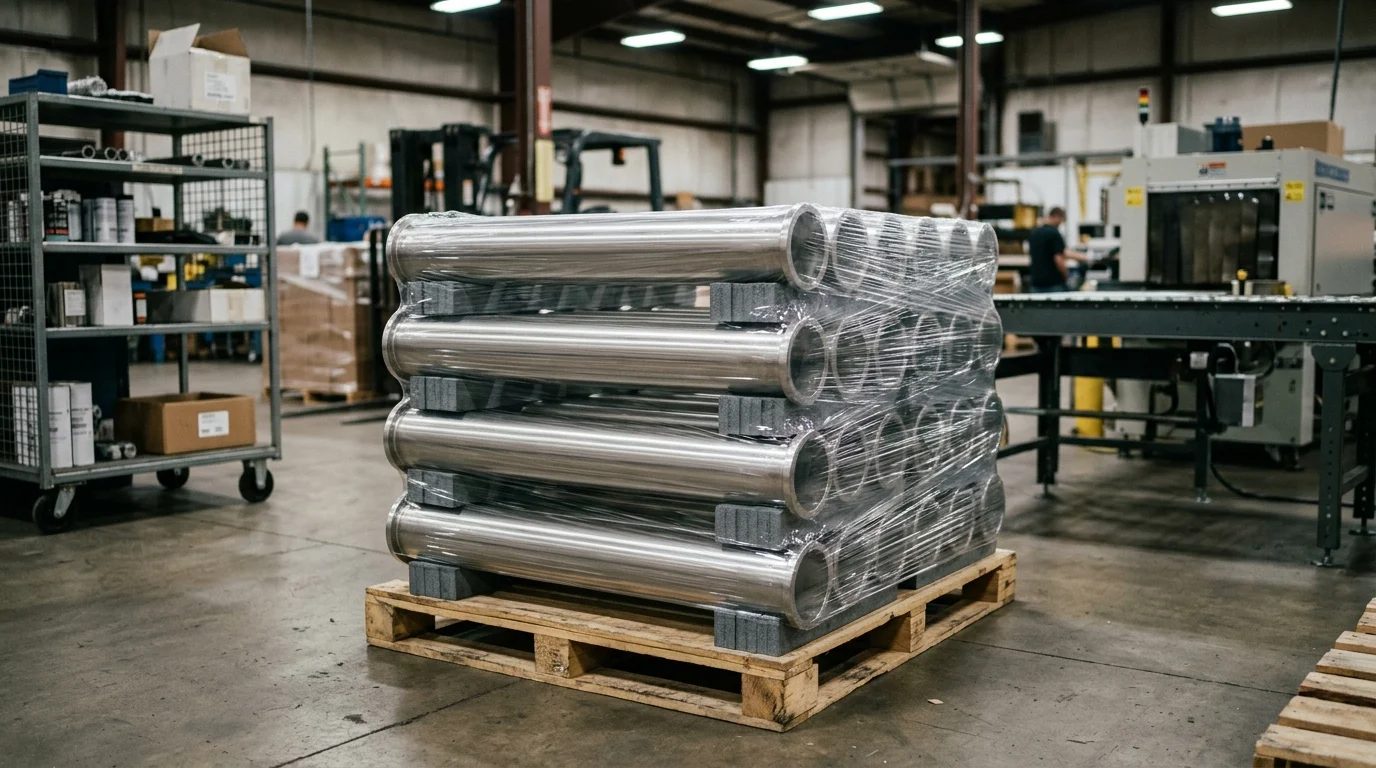
Selecting the optimal surface finish for stainless steel light poles is ultimately an exercise in value engineering. It requires aligning the project’s aesthetic goals with structural durability and long-term financial constraints.
How should decision-makers balance appearance, corrosion risk, a
nd cost
Decision-makers must look beyond the initial capital expenditure and conduct a comprehensive Lifecycle Cost Analysis (LCCA) spanning the typical 20- to 30-year operational life of a light pole.
While specifying a highly polished No. 8 finish may introduce a 30% to 45% upfront cost premium over a standard mill finish, its self-cleaning properties can reduce annual municipal washing and maintenance expenses by up to 40% in high-pollution environments. Balancing these factors ensures that the chosen finish provides genuine long-term value rather than just immediate visual appeal.
What should procurement teams conclude when comparing finish opt
ions
Procurement teams should conclude that surface finish is not an aesthetic luxury, but a core structural specification. By standardizing finish requirements based on empirical data—such as specific Ra values, gloss units, and appropriate alloy grades—organizations can effectively mitigate the risk of premature asset failure.
Ultimately, investing in the correct surface finish yields a substantially lower Total Cost of Ownership (TCO), ensuring public infrastructure remains safe, visually appealing, and structurally sound for decades.
Key Takeaways
- The most important conclusions and rationale for Surface Finishes of Stainless Steel Light Poles and Their Benefits
- Specs, compliance, and risk checks worth validating before you commit
- Practical next steps and caveats readers can apply immediately
Frequently Asked Questions
Which stainless steel finish is best for urban street lighting poles?
No. 4 brushed is the standard choice for urban streets. It balances appearance, scratch masking, and cost, especially for visible municipal and commercial projects.
When should 316L stainless steel be specified instead of 304?
Use 316L in coastal or chloride-heavy areas, and near harsh industrial pollution. Its added molybdenum improves resistance to pitting and tea staining.
Why is Ra value important for stainless steel light poles?
Ra shows surface smoothness. For exterior poles, specifying Ra 0.5 µm or lower helps rainwater wash contaminants off and reduces corrosion risk.
Does passivation matter after pole fabrication and welding?
Yes. Passivation restores the protective chromium oxide layer after welding or polishing, improving corrosion resistance and helping finished poles perform longer outdoors.
Can Morelux customize stainless steel pole finishes for project needs?
Yes. Morelux handles polishing, coating, fabrication, and testing in-house, so finish details can be matched to project environment, design goals, and durability requirements.