
This comprehensive guide examines the integration of a custom steel light pole into architectural landmark projects, focusing on structural integrity and aesthetic alignment. Readers will gain technical insights into material selection, wind load calculations, and the precision engineering required for high-profile municipal infrastructure.
The Role of Precision Engineering in Landmark Illumination
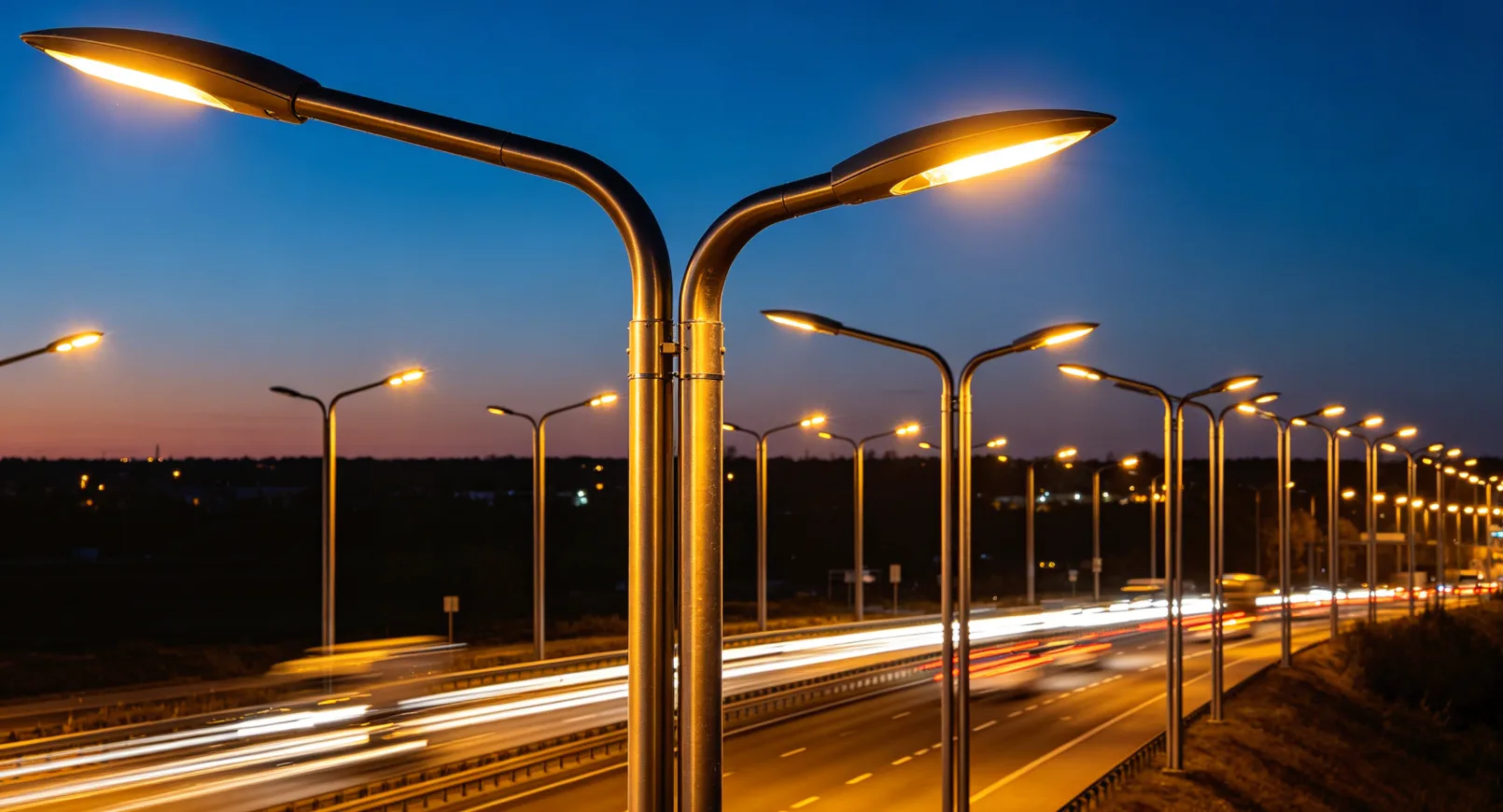
Architectural landmarks require lighting solutions that balance visual identity with rigorous safety standards. A steel light pole serves as the backbone of these installations, providing the necessary height and stability for advanced luminaire systems while resisting environmental stressors. Unlike standard utility posts, custom light poles are engineered to complement the specific geometry and historical context of a site.
Engineering firms prioritize steel light pole designs for landmarks due to the material’s high strength-to-weight ratio and ductility. According to the American Society of Civil Engineers (ASCE) 7-22 standards, structural supports in public spaces must withstand localized wind pressures and vibration frequencies. Customization allows for the adjustment of wall thickness and taper ratios to meet these precise geographical requirements.
Primary Material Selection: Steel vs. Aluminum
Selecting the appropriate substrate is the first critical decision in the procurement of a steel light pole. While aluminum offers superior natural corrosion resistance, steel provides the modulus of elasticity required for extreme heights and heavy EPA (Effective Projected Area) loads. Most landmark projects utilize Q235 or Q345 grade steel, which undergoes hot-dip galvanization to ensure a service life exceeding 25 years.
Custom light poles manufactured from high-strength steel can support multi-fixture arrays that would cause excessive deflection in softer metals. The following table compares the mechanical properties essential for landmark infrastructure:
| Property | Galvanized Steel | Aluminum Alloy (6063-T6) |
|---|---|---|
| Yield Strength | 235 – 345 MPa | 170 – 215 MPa |
| Modulus of Elasticity | 200 GPa | 69 GPa |
| Corrosion Protection | Hot-Dip Galvanizing/Powder Coat | Anodizing/Natural Oxide |
| Typical Application | High-mast & Heavy Load Landmarks | Pedestrian Zones & Coastal Areas |
Design Philosophies for Architectural Integration
The aesthetic value of a steel light pole is defined by its silhouette and finish. Custom light poles for landmarks often feature tapered octagonal light poles or decorative fluted designs that mimic classical columns or modern minimalist sculptures. These shapes are not merely decorative; hexagonal and octagonal cross-sections offer different aerodynamic coefficients (Cd) compared to round shafts, affecting how the pole behaves in high-wind corridors.
Integrating smart technology is a growing trend in landmark lighting. Modern custom light poles often incorporate 5G small cells, CCTV housing, and EV charging ports within the pole base. To maintain the landmark’s visual integrity, engineers utilize internal dampening systems and concealed handholes to hide wiring and structural bolts.
Structural Stability and Wind Load Analysis
Every steel light pole installed near a major landmark must undergo a Finite Element Analysis (FEA) to predict its reaction to “Vortex Shedding.” This phenomenon occurs when wind creates alternating low-pressure zones behind the pole, causing it to vibrate harmonically. For custom light poles exceeding 12 meters, engineers often specify internal chains or liquid dampers to mitigate these oscillations and prevent metal fatigue.
Compliance with the AASHTO Standard Specifications for Structural Supports is mandatory for municipal projects. These guidelines dictate the minimum base plate thickness and anchor bolt circles required to keep a steel light pole upright during a 50-year or 100-year storm event. High-traffic architectural zones require higher safety factors (SF) to protect the public and the landmark itself.
Surface Treatments and Longevity Standards
The durability of a steel light pole depends heavily on its coating system. For landmarks, a “Duplex System”—the combination of hot-dip galvanization followed by a high-performance powder coating—is the industry gold standard. This creates a synergistic effect where the powder coating protects the zinc layer from atmospheric pollutants, while the zinc prevents under-film corrosion if the surface is scratched.
When specifying custom light poles, designers must consider the ISO 12944 Corrosivity Categories. Landmarks in C5 (Marine) or CX (Extreme) environments require specialized epoxy primers to ensure the steel light pole does not show signs of oxidation within the first decade of service.
Installation and Maintenance of Custom Shafts
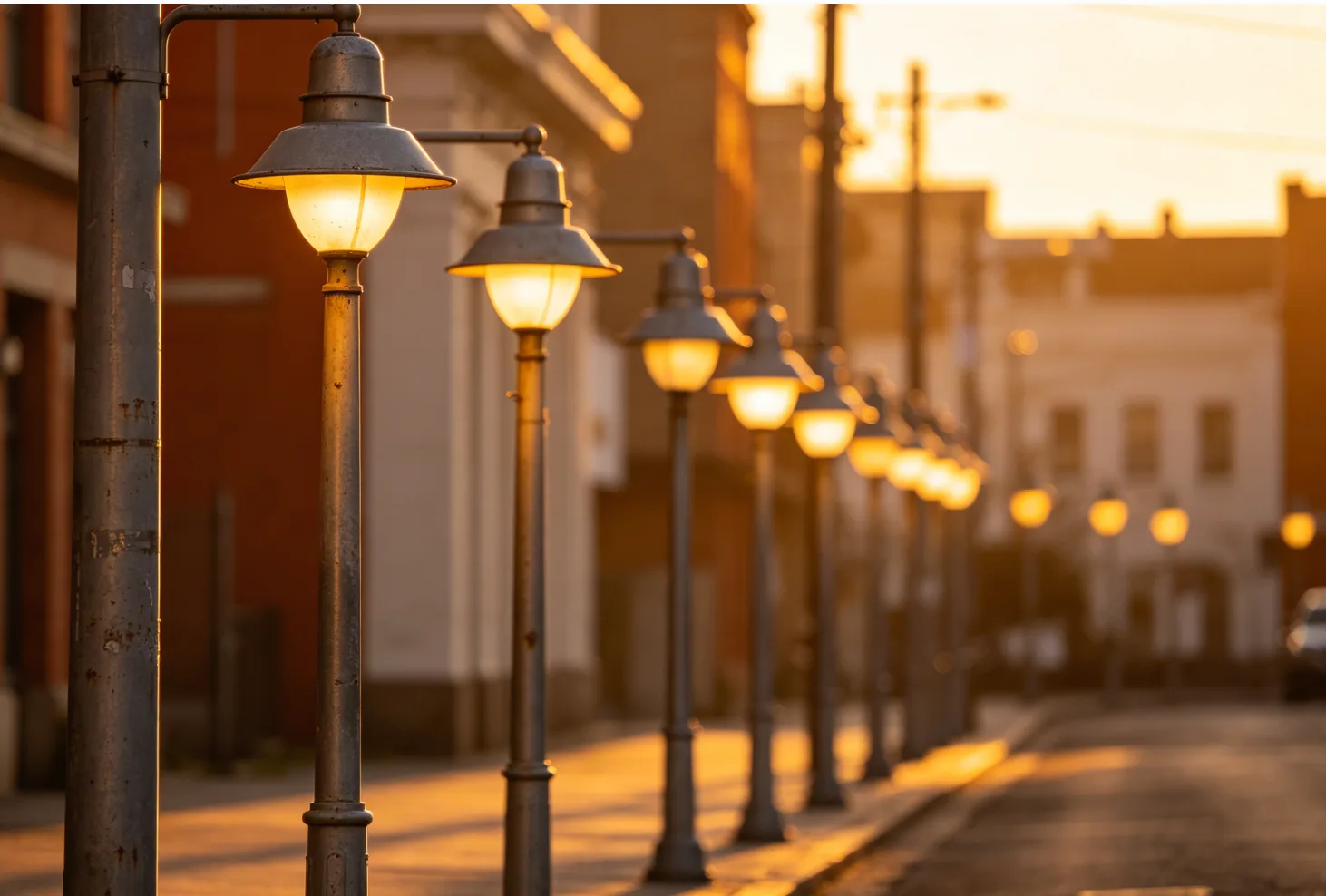
The installation of a steel light pole at an architectural site requires specialized foundation engineering. Engineers often choose between spread footings and deep caisson foundations depending on soil plasticity. For custom light poles, the orientation of the handhole and the alignment of the anchor bolts must be precise to ensure the luminaire optics align perfectly with the landmark’s focal points.
Routine maintenance for these structures includes ultrasonic testing of anchor bolts and visual inspections of the base weld. Utilizing conical light poles simplifies maintenance, as their smooth surface prevents debris accumulation and bird nesting, which are common issues in intricate landmark designs.
Technical Procurement Checklist
Successful procurement requires a detailed specification sheet to ensure the steel light pole meets both the engineer’s safety requirements and the architect’s vision. Below is a checklist for selecting high-quality custom light poles for infrastructure projects:
| Requirement Category | Technical Specification |
|---|---|
| Material Grade | ASTM A572 or equivalent high-strength low-alloy steel. |
| Welding Standard | AWS D1.1 structural welding code compliance. |
| Wind Rating | Minimum 150 km/h with 1.3 gust factor (site specific). |
| Interior Coating | Internal bituminous or zinc-rich coating for moisture protection. |
| Mounting Type | Tenon top, side bracket, or custom integrated arm. |
Advanced Geometric Configurations
The transition from a standard utility post to a landmark-worthy steel light pole often involves complex geometric transitions. Engineers frequently specify stepped light poles to create a visual hierarchy or mid-hinged light poles for landmarks where crane access for maintenance is restricted. These custom light poles allow for the lowering of the luminaire to ground level, significantly reducing long-term operational costs.
According to 2025 industry reports from the Illuminating Engineering Society (IES), the demand for “Dark Sky” compliant custom light poles has increased by 40%. This requires the steel light pole to have precise 0-degree tilt mounting options to eliminate upward light spill, preserving the natural night environment surrounding historical monuments.
Conclusion: The Synthesis of Form and Function
Integrating a steel light pole into an architectural landmark is a multidisciplinary task that demands precision in both aesthetics and physics. By choosing custom light poles that adhere to international safety standards and utilize advanced coating technologies, municipalities can ensure their landmarks remain safely and beautifully illuminated for generations. Whether utilizing square light poles for modern plazas or round tapered shafts for classical sites, the focus must remain on structural resilience and material quality.
Frequently Asked Questions
How do I determine the correct wind load for a custom light pole?
Engineers use the ASCE 7-22 wind map to identify the “Basic Wind Speed” for a specific GPS coordinate. This value is then adjusted based on the “Exposure Category” (e.g., open coastal vs. sheltered urban) and the “Importance Factor” of the landmark to calculate the total pressure the steel light pole must withstand.
What is the benefit of a Duplex Coating on a steel light pole?
A Duplex Coating combines hot-dip galvanization with powder coating or liquid paint. This system provides a “synergistic effect” where the combined layers last 1.5 to 2.5 times longer than the sum of the individual lifetimes of each coating, making it ideal for high-value custom light poles.
Can custom light poles support smart city sensors and 5G equipment?
Yes, modern steel light pole designs can be engineered with reinforced internal compartments and increased wall thickness to accommodate the weight and cabling of 5G nodes, Wi-Fi routers, and environmental sensors without compromising the structural integrity or the aesthetic of the architectural landmark.
Why is steel preferred over aluminum for high-mast landmark lighting?
Steel is preferred for heights exceeding 15 meters because its Modulus of Elasticity is approximately three times higher than aluminum. This means a steel light pole will experience significantly less deflection (swaying) under heavy wind loads, which is crucial for maintaining the precise aim of architectural floodlights.
What maintenance is required for a steel light pole in a public landmark?
Standard maintenance includes an annual inspection of the base plate welds, checking anchor bolt tightness, and verifying that the handhole cover is secure. For custom light poles, it is also important to inspect the finish for any deep gouges that could lead to localized oxidation and jeopardize the structure’s longevity.