
Choosing the right infrastructure for outdoor lighting projects involves a critical evaluation of durability, aesthetics, and long-term maintenance costs. When selecting the Best Material for Decorative Light Poles, the debate typically centers on Aluminum Light Poles versus steel alternatives, as each material offers distinct structural advantages for urban landscaping and commercial developments.
The Fundamental Differences Between Aluminum and Steel Light Poles
Aluminum Light Poles are engineered from high-strength alloys, such as 6061-T6, which provide inherent corrosion resistance without the need for heavy industrial coatings. In contrast, steel poles rely on carbon steel or stainless steel light pole variants to provide the necessary tensile strength for high-wind environments or heavy luminaire loads. While aluminum is prized for its lightweight properties and ease of installation, steel remains the standard for applications requiring maximum height and structural rigidity.
The choice between these materials often dictates the total cost of ownership (TCO) over a twenty-year lifecycle. Aluminum naturally forms a protective oxide layer that prevents deep structural degradation, making it the preferred choice for coastal regions or high-humidity climates. Steel, while stronger, requires galvanization or specialized powder coating to prevent oxidation, which can increase initial procurement complexity.
Structural Integrity and Load Capacity
Steel possesses a higher modulus of elasticity compared to aluminum, meaning a stainless steel light pole can support larger effective projected areas (EPA) of lighting fixtures. For decorative projects featuring multiple heavy lanterns or ornate arms, steel provides the necessary stiffness to minimize vibration and pole sway. However, for standard decorative heights (10 to 25 feet), Aluminum Light Poles offer sufficient structural integrity for most architectural requirements.
Corrosion Resistance and Environmental Longevity
The primary advantage of Aluminum Light Poles is their performance in corrosive environments. Aluminum does not rust in the traditional sense; its oxidation process is self-limiting and does not compromise the metal’s core strength. Conversely, traditional carbon steel will fail rapidly if the protective zinc coating is scratched, though a premium stainless steel light pole can offer comparable or superior longevity in industrial settings.
Comparative Analysis: Aluminum vs. Steel
The following table outlines the technical specifications and performance metrics for both materials to assist in the selection process for Outdoor Lighting Fixtures.
| Feature | Aluminum Light Poles | Steel Light Poles |
|---|---|---|
| Weight | Lightweight (approx. 1/3 of steel) | Heavy (requires machinery for install) |
| Corrosion Resistance | Excellent (Native Oxide Layer) | Moderate (Requires Galvanization) |
| Tensile Strength | Moderate | High |
| Average Lifespan | 30–50 Years | 20–30 Years (if maintained) |
| Common Use Case | Decorative Streets, Parking Lots | Highways, High-Mast, High-Wind Zones |
| Sustainability | 100% Recyclable | High Recyclability |
Aesthetic Versatility in Decorative Applications
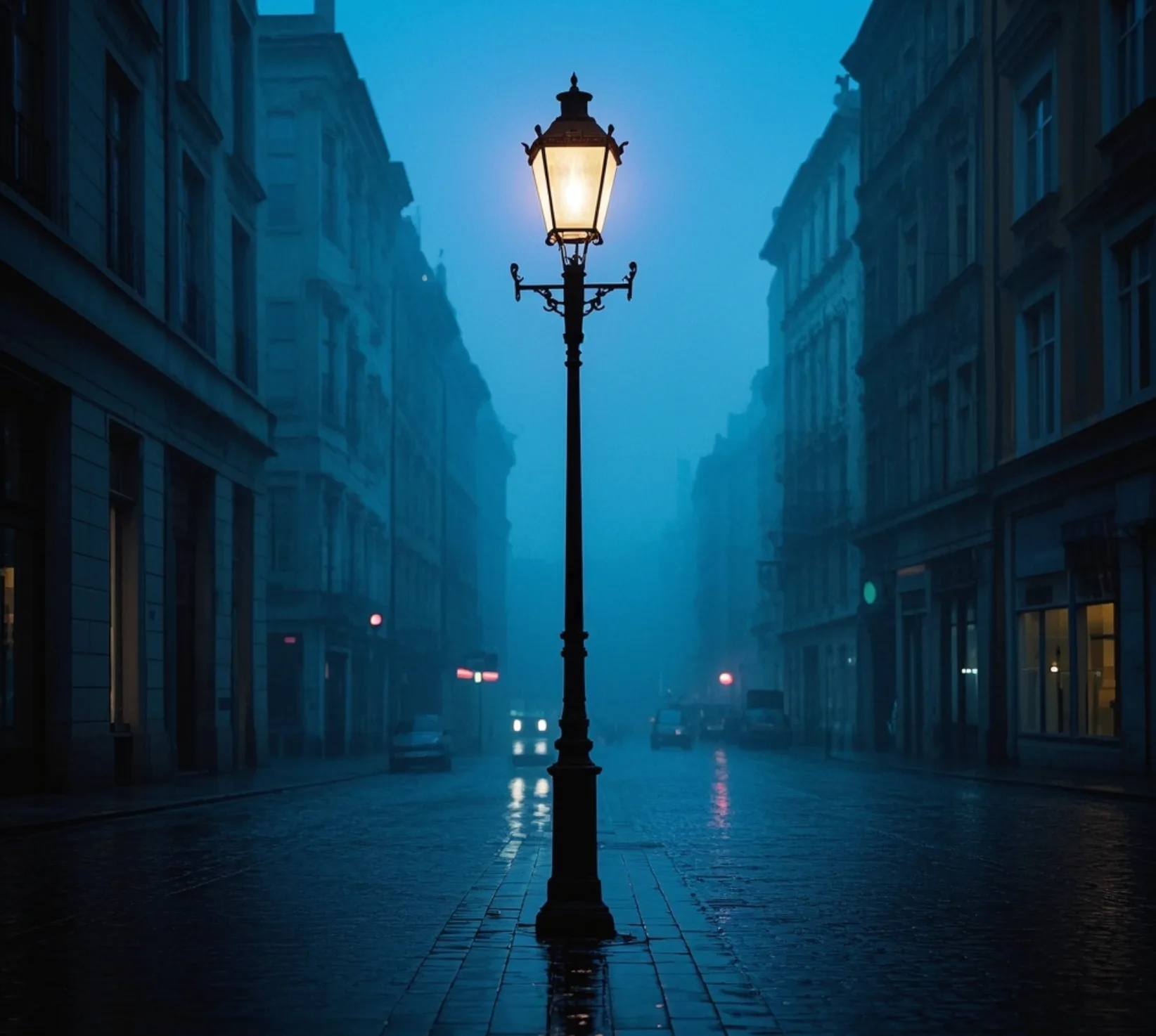
Decorative lighting requires a material that can be easily shaped into fluted, tapered, or historical designs. Aluminum Light Poles are highly versatile in the manufacturing process, allowing for intricate extrusions and cast bases that mimic traditional wrought iron styles. Modern Garden Light Poles often utilize aluminum to achieve sleek, contemporary profiles that remain aesthetically pleasing even after decades of exposure to UV radiation.
Steel poles can also be decorative, but the shaping process is generally more labor-intensive. A stainless steel light pole provides a high-end, polished finish that is ideal for modern corporate campuses or luxury retail districts. According to the American Galvanizers Association, the finish of a steel pole is largely dependent on the quality of the hot-dip galvanizing process, which provides a rugged, industrial texture that some designers prefer for urban revitalization projects.
Finishing Options and Maintenance
Maintenance protocols differ significantly between the two materials. Aluminum Light Poles are frequently finished with a durable powder coating that bonds electrostatically to the surface, providing a finish that resists chipping and fading. Because aluminum is non-ferrous, even if the coating is damaged, the underlying material will not produce unsightly “rust streaks” that can stain surrounding concrete or pavers.
For Smart Lighting Poles, maintenance crews must regularly inspect steel structures for signs of base plate corrosion. A stainless steel light pole reduces this maintenance burden but at a significantly higher initial price point. Industry standards, such as those maintained by AASHTO, suggest that aluminum’s lower maintenance requirement often offsets its higher material cost within the first ten years of service.
Installation Efficiency and Logistics
Logistics play a major role in the overall project budget, especially for large-scale municipal deployments. Aluminum Light Poles are significantly lighter than steel, which translates to lower shipping costs and the ability for smaller crews to handle the installation without heavy-duty cranes. This portability makes aluminum the standard for Solar Light Poles located in remote or difficult-to-access areas.
Installing a stainless steel light pole or a galvanized steel equivalent usually requires specialized lifting equipment and reinforced concrete foundations to handle the increased dead load. While the material cost of steel may be lower per pound, the ancillary costs of transport and installation often make aluminum the more economical choice for decorative projects under 30 feet in height.
Environmental Impact and Sustainability
Sustainability is a key metric in modern urban planning, and both materials offer high end-of-life value. Aluminum Light Poles are highly sustainable because aluminum can be recycled indefinitely without losing its physical properties. According to the International Aluminium Institute, recycling aluminum requires only 5% of the energy needed to produce primary metal from ore.
Steel is also highly recyclable, and most stainless steel light pole products contain a high percentage of post-consumer scrap. However, the carbon footprint associated with the transport of heavy steel poles is generally higher than that of aluminum. For projects aiming for LEED certification or other green building standards, the lightweight and recyclable nature of aluminum provides a distinct advantage in the materials and resources category.
Selection Checklist for Lighting Projects
When deciding between Aluminum Light Poles and steel, project managers should evaluate the specific environmental and structural constraints of the site. The following checklist helps determine the optimal material for Decorative Lighting Poles.
Site Assessment and Requirement Checklist
- Proximity to Saltwater: If the site is within 5 miles of a coastline, aluminum or a high-grade stainless steel light pole is mandatory to prevent salt-air corrosion.
- Wind Loading Zones: High-wind regions (V > 120 mph) may require the superior stiffness of steel to prevent luminaire failure due to fatigue.
- Budget Allocation: Aluminum typically has a higher upfront cost but lower long-term maintenance expenses compared to standard steel.
- Aesthetic Requirements: Intricate, fluted, or multi-piece decorative designs are more commonly available in aluminum extrusions.
- Foundation Constraints: Use aluminum if the existing soil conditions or structural slabs cannot support the weight of heavy steel foundations.
Economic Considerations: Initial Cost vs. Life Cycle Cost
While the initial purchase price of steel poles is often 15% to 25% lower than Aluminum Light Poles, the life cycle cost (LCC) analysis frequently favors aluminum. Steel requires periodic repainting or recoating to maintain its aesthetic appeal and structural safety. A stainless steel light pole represents the highest initial investment but offers the lowest maintenance requirement of any ferrous option.
According to data from the U.S. Department of Transportation (FHWA), the “break-even” point for aluminum poles occurs when maintenance and replacement costs are factored over a 25-year horizon. For decorative lighting in public spaces where visual consistency is paramount, the resistance of aluminum to surface blemishes and rust makes it the more predictable financial investment for municipalities and private developers alike.
Frequently Asked Questions (FAQ)
Can aluminum light poles withstand high-wind areas as effectively as steel?
While aluminum is more flexible, Aluminum Light Poles are engineered to meet specific AASHTO wind load ratings. By increasing the wall thickness or using internal reinforcements, aluminum can safely handle high-wind zones, although steel remains the standard for extremely tall masts or heavy multi-fixture arrays in hurricane-prone regions.
How does the finish of a stainless steel light pole differ from powder-coated aluminum?
A stainless steel light pole typically features a brushed or polished metallic finish that is highly resistant to physical scratching. Powder-coated aluminum offers a wider range of colors and textures, such as bronze or black sand, which are often preferred for matching traditional architectural themes in historic districts.
Is it possible to install decorative aluminum poles on existing steel foundations?
Generally, yes, provided the bolt circle and anchor bolt diameter match the new pole base. However, it is vital to ensure no galvanic corrosion occurs between the steel bolts and the aluminum base. Using isolation washers and specialized coatings is a standard industry practice to prevent material degradation at the contact points.
Do decorative light poles require grounding differently based on the material?
Both Aluminum Light Poles and steel poles must be grounded according to the National Electrical Code (NEC). Because aluminum is an excellent conductor, it provides a reliable path to ground. A stainless steel light pole also requires a dedicated grounding lug, usually welded inside the handhole, to ensure safety during electrical surges.
Which material is better for integrated “Smart City” technology like 5G or Wi-Fi?
Aluminum is often preferred for smart infrastructure because it is easier to drill and modify for sensor mounting. Many Aluminum Light Poles are designed with internal channels to house wiring for cameras and wireless nodes, whereas modifying a hardened stainless steel light pole in the field is significantly more difficult and time-consuming.