
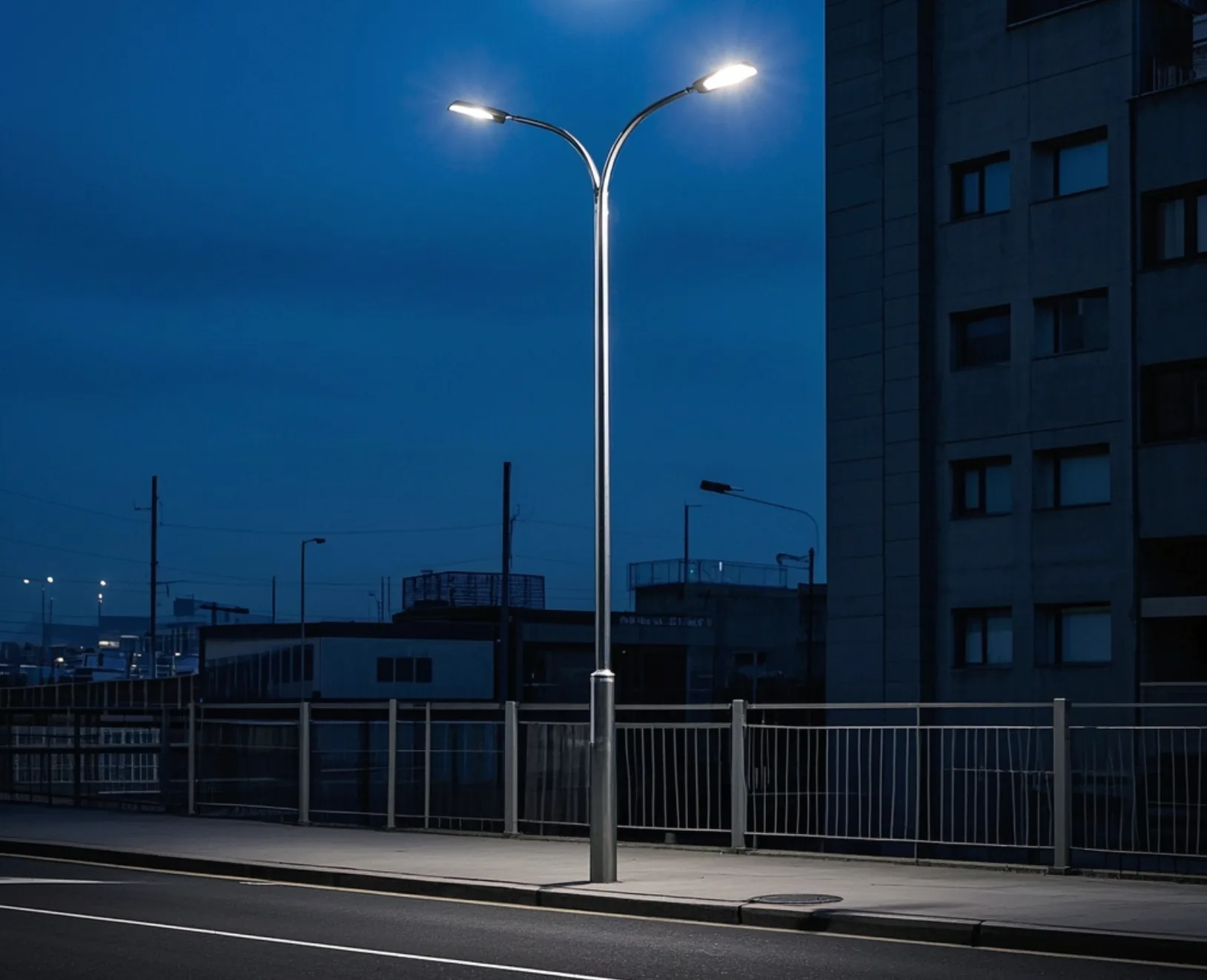
A stable foundation is the critical factor in ensuring the safety and vertical alignment of Steel Light Poles. This technical guide details the diagnostic steps and remediation methods for correcting uneven or sinking foundations for Stainless Steel Light Poles. Maintaining a level base prevents structural stress and ensures that High Mast Poles perform as engineered throughout their lifespan.
Identifying the Causes of Foundation Settlement
Uneven foundations for Steel Light Poles usually stem from poor soil compaction, improper concrete curing, or seasonal frost heave. Before attempting a fix for Stainless Steel Light Poles, engineers must perform a soil density test. If the settlement is active, simply leveling the pole will not provide a permanent solution without addressing the underlying soil instability.
Precision Leveling Using Leveling Nuts
The most common method for adjusting the verticality of Stainless Steel Light Poles involves the use of a “double-nut” system on the anchor bolts. By adjusting the lower leveling nuts, the base plate of the Steel Light Poles can be raised or lowered to achieve a true plumb position. This technique is standard for Decorative Light Poles where visual alignment is paramount.
Grouting Techniques for Permanent Support
Once the Stainless Steel Light Poles are leveled using nuts, the gap between the concrete foundation and the base plate must be filled. High-strength, non-shrink structural grout is required to ensure the weight of the Steel Light Poles is distributed evenly across the foundation. The American Concrete Institute (ACI) provides standards for grout application to prevent moisture trapping and subsequent base corrosion.
| Repair Component | Material Specification | Purpose |
|---|---|---|
| Anchor Bolts | ASTM F1554 Grade 55 | Secure connection to concrete |
| Grout | Non-Shrink Cementitious | Load distribution and protection |
| Washers | Heavy Hex Washers | Even pressure on base plate |
| Shims | Stainless Steel (Grade 304/316) | Temporary leveling support |
Remedying Severe Soil Failure with Helical Piles
In cases where the concrete footing of Steel Light Poles has shifted significantly due to soil erosion, helical piles may be required. This process involves screwing steel shafts into deeper, stable soil layers to provide a new load-bearing platform for the Stainless Steel Light Poles. This is a common retrofit for Garden Light Poles installed in soft or sandy terrain.
Preventing Water Accumulation at the Base
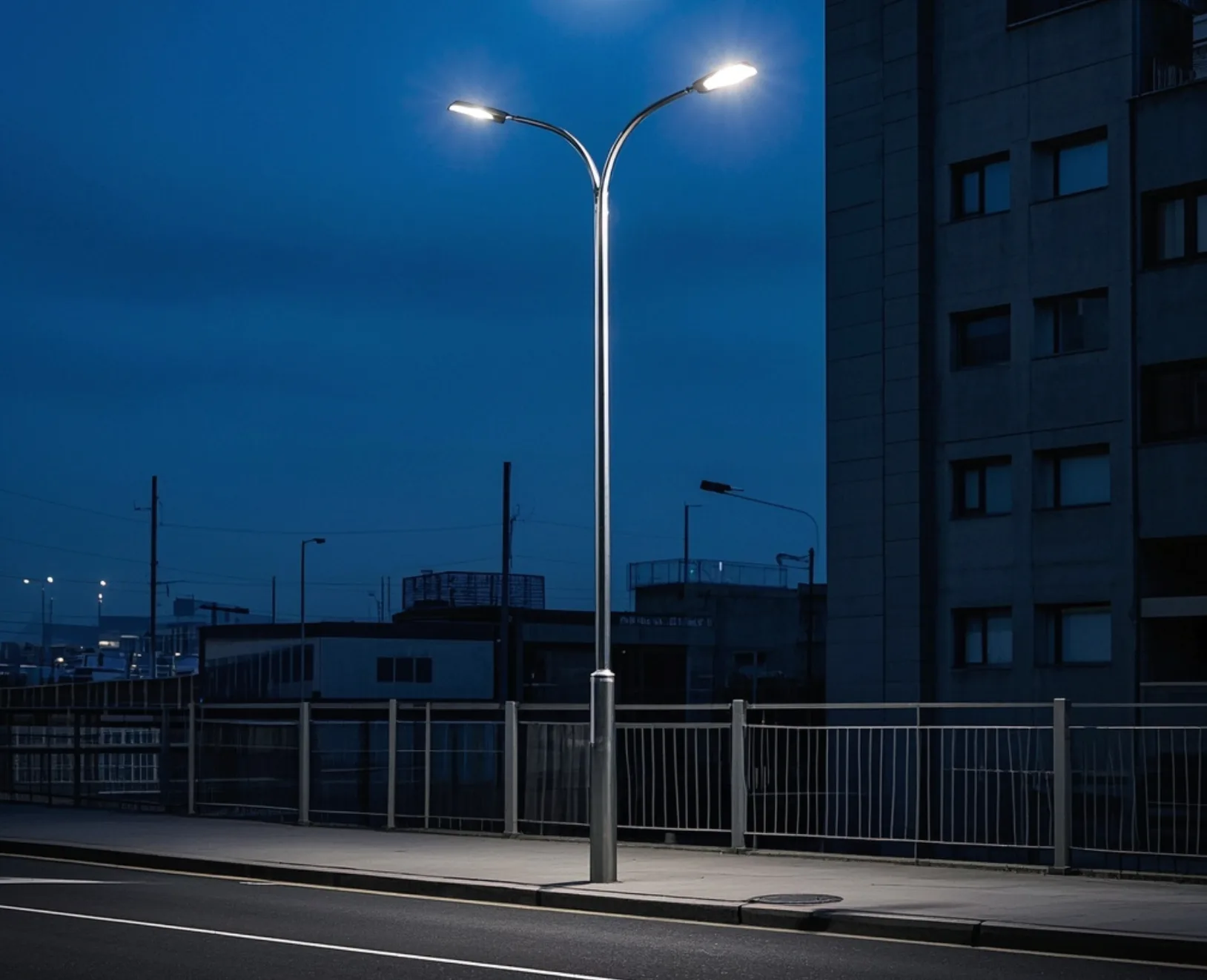
An uneven foundation often leads to water pooling around the base of Steel Light Poles. Water retention is the primary cause of galvanic corrosion and concrete degradation. When leveling Stainless Steel Light Poles, ensure the final grout pour is tapered outward to shed water away from the anchor bolts and electrical handholes.
Inspection Checklist for Post-Fix Stability
| Inspection Point | Standard Requirement | Tool Used |
|---|---|---|
| Vertical Plumb | Max 1.5% deviation | Laser Level / Plumb Bob |
| Grout Integrity | No cracks or voids | Visual / Hammer Sounding |
| Bolt Torque | Manufacturer specified ft-lbs | Torque Wrench |
| Drainage | Slope away from base | Level Tool |
FAQ
-
Can I use wooden shims to level a light pole?
Absolutely not. Wooden shims rot over time, leading to a dangerous gap that compromises the stability of Steel Light Poles. Only use stainless steel shims or the leveling nut method.
-
Is it normal for a light pole to vibrate after leveling?
Minor vibration is normal for tall Steel Light Poles, but excessive swaying usually indicates that the leveling nuts are loose or the grout hasn’t fully cured to provide a solid base.
-
How long does the grout need to cure before the pole is fully loaded?
Most non-shrink structural grouts require 24 to 72 hours to reach sufficient compressive strength. Refer to the manufacturer’s data sheet before applying full wind load or high-mast fixtures.
-
Should I paint the grout after the repair?
While not strictly necessary for structural reasons, sealing the grout with a concrete sealer can prevent moisture penetration and freeze-thaw damage, extending the life of the Steel Light Poles foundation.
-
What if my anchor bolts are too short after leveling?
If the leveling process leaves less than two threads visible above the top nut, you may need bolt extenders or a foundation redesign. Short-bolting is a major safety violation in municipal lighting.