
Standard steel light poles are the backbone of global urban infrastructure, providing essential illumination for roadways, parking lots, and public spaces. However, engineers and architects frequently encounter design limitations such as fixed heights, restricted aesthetic options, and specific load-bearing constraints when using off-the-shelf solutions. This article explores technical strategies to overcome these limitations, ensuring that Standard Steel Light Poles meet the evolving demands of modern urban aesthetics and structural safety while considering the long-term benefits of Stainless Steel Light Poles.
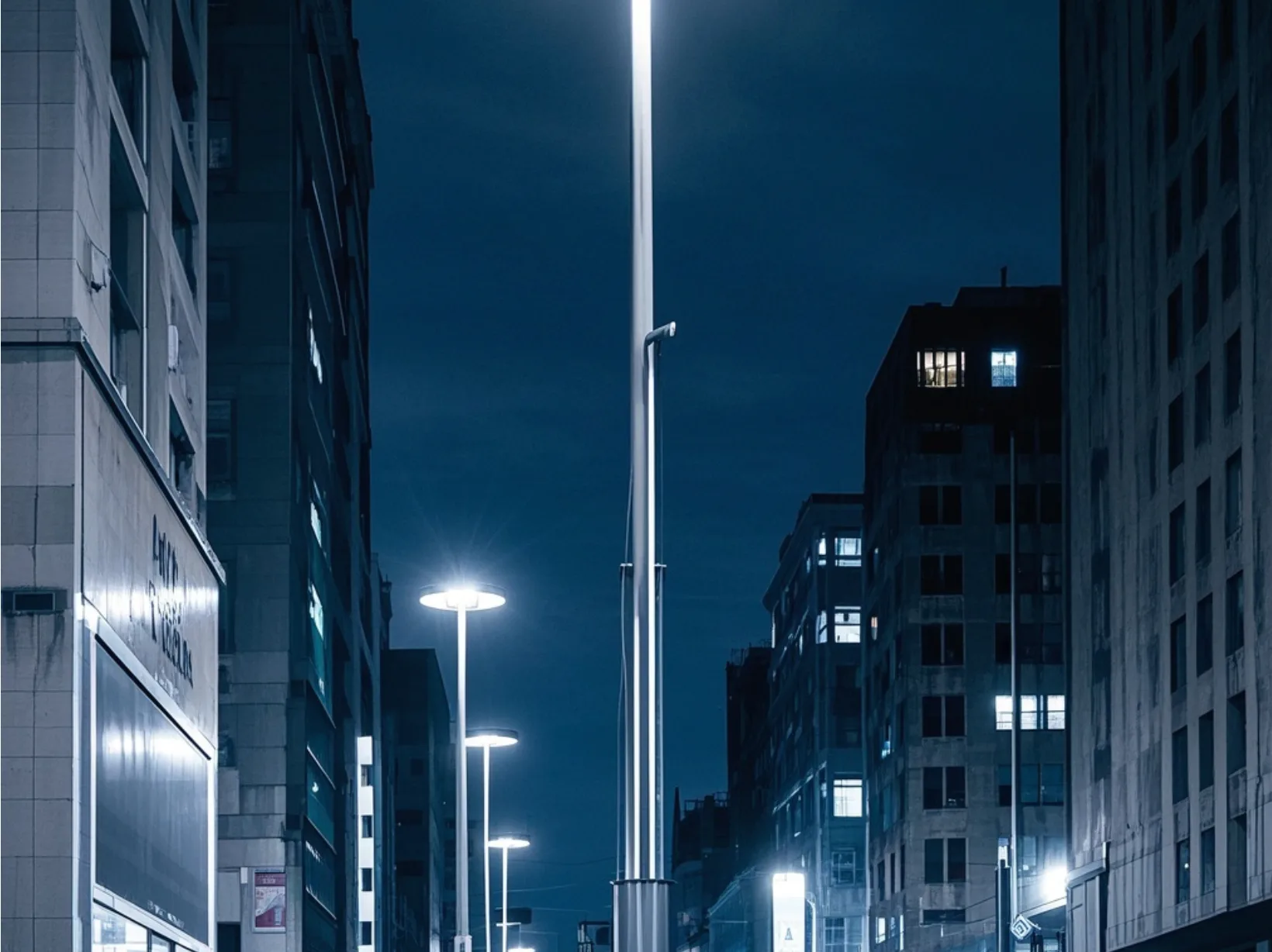
Defining the Limitations of Standardized Lighting Structures
A Standard Steel Light Pole is defined as a mass-produced structural support, typically made from carbon steel (like Q235 or Q345), characterized by fixed engineering parameters such as wall thickness, height, and arm projection. While these units offer cost-effectiveness and rapid deployment, their “standard” nature often creates friction with site-specific requirements. According to industry estimates, nearly 30% of municipal projects require modifications to standard designs to accommodate unique environmental factors or smart city technology integration.
| Limitation Category | Standard Steel Pole Trait | Custom/Overcome Strategy |
|---|---|---|
| Aesthetic Versatility | Limited to round or octagonal tapered shapes. | Use of Decorative Pole shrouds or custom finials. |
| Structural Capacity | Pre-calculated for specific EPA (Effective Projected Area). | Reinforcing base plates or internal stiffeners for high-wind zones. |
| Smart Integration | Lacks internal space for 5G, EV chargers, or sensors. | Specifying Smart Pole modular systems. |
Structural Reinforcement and Material Selection
To overcome the physical constraints of standard designs, engineers must focus on material metallurgy and structural geometry. Standard units often struggle with extreme wind loads or heavy fixture weights (high EPA). Transitioning to high-strength low-alloy (HSLA) steel allows for thinner walls without compromising safety. Furthermore, for projects in high-salinity coastal environments, replacing standard galvanized units with Stainless Steel Light Poles provides superior corrosion resistance, effectively extending the service life from 25 years to over 50 years.
Aesthetic Modification without Compromising Utility
One of the primary complaints from urban planners is the “industrial” look of standard poles. This can be mitigated through advanced coating technologies. While traditional Hot-Dip Galvanizing (HDG) provides protection, adding a secondary powder coating layer (Duplex System) allows for color customization that matches local architectural themes. For high-end residential areas, integrating Garden poles elements onto a standard steel chassis can bridge the gap between utility and beauty.
Engineering for Smart City Connectivity
The rise of the Internet of Things (IoT) has turned the Standard Steel Light Pole into a vertical asset for data. Standard poles often lack the internal “real estate” for wiring and equipment. Overcoming this involves designing poles with larger hand-holes and integrated mounting brackets. Utilizing Roadway lighting poles that feature modular “smart” sections allows for the seamless addition of security cameras and Wi-Fi access points without compromising the structural integrity of the main shaft.
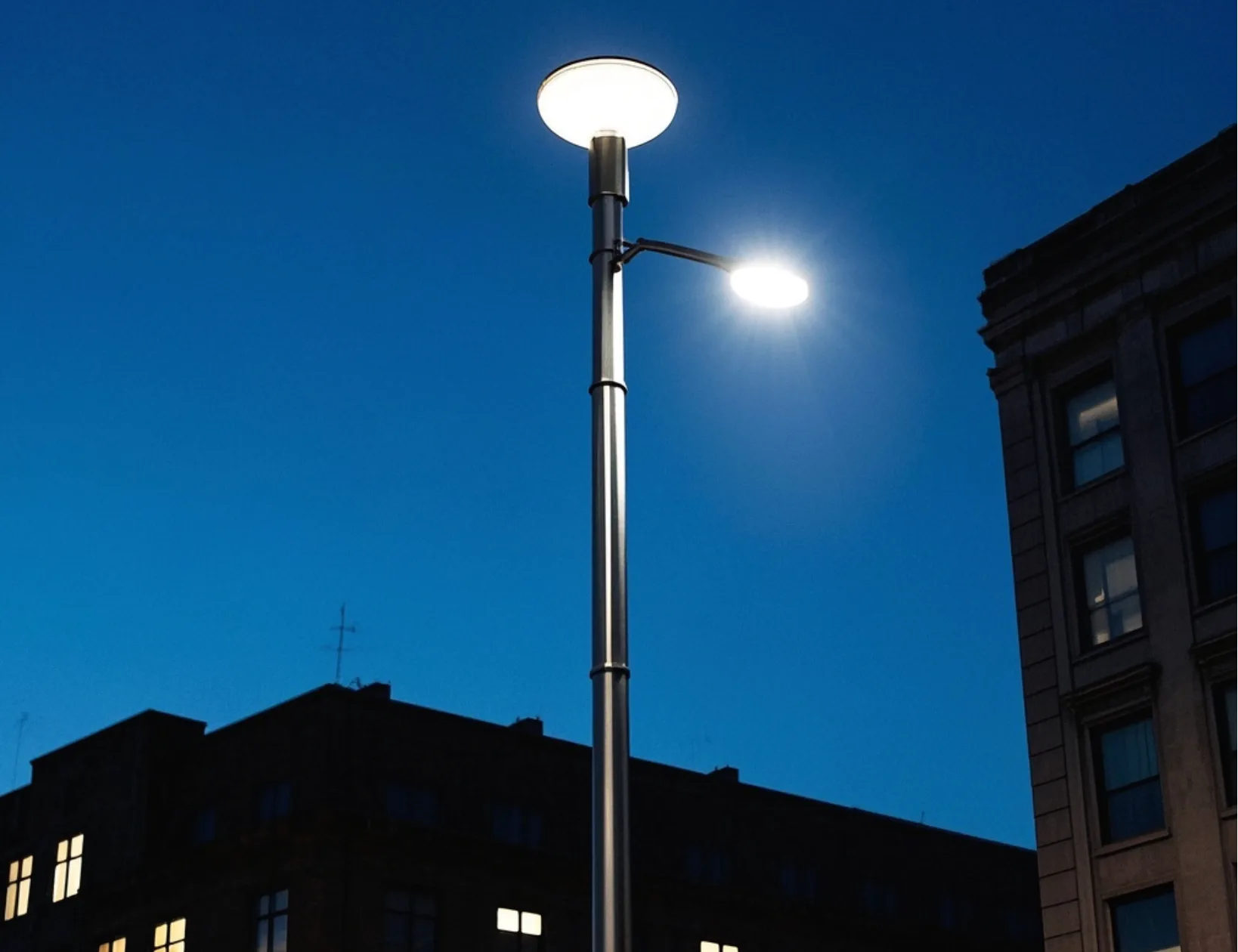
Performance and Durability Standards
The American Association of State Highway and Transportation Officials (AASHTO) provides the definitive standards for lighting structures. Adhering to AASHTO LRFD Specifications for Structural Supports is critical when modifying standard poles. This ensures that any “overcoming” of design limits—such as increasing height or adding heavy accessories—remains within the safety factors for fatigue and vibration.
| Feature | Standard Steel (HDG) | Stainless Steel (304/316) | Aluminum (6063-T6) |
|---|---|---|---|
| Tensile Strength | High (400-510 MPa) | Very High (500-700 MPa) | Medium (200-250 MPa) |
| Corrosion Resistance | Moderate (Zinc coating) | Excellent (Inherent) | High (Oxide layer) |
| Initial Cost | Low | High | Medium-High |
| Typical Lifespan | 20-30 Years | 50+ Years | 30-40 Years |
Maintenance Strategies for Extended Lifespan
Long-term reliability is as much about maintenance as it is about initial design. Standard steel structures require periodic inspection of the base plate and anchor bolts—the most common points of failure. Implementing a maintenance schedule that includes ultrasonic testing for internal corrosion can prevent catastrophic collapses. For regions with high humidity, choosing Steel Light Pole options with specialized internal coatings can mitigate hidden rust.
Conclusion: Balancing Standardization and Innovation
Overcoming design limitations in Standard Steel Light Poles does not require a total move to custom fabrication. Instead, it involves strategic material upgrades, such as the use of Stainless Steel Light Poles, and the integration of modular smart components. By adhering to international engineering standards and utilizing modern finishing techniques, municipal planners can achieve high-performance infrastructure that is both functional and visually appealing.
Frequently Asked Questions (FAQ)
1. What is the maximum height a standard steel light pole can safely reach?
Most manufacturers provide Standard Steel Light Poles in heights ranging from 3 to 12 meters (10 to 40 feet). However, for heights exceeding 15 meters, engineers typically transition to high-mast lighting designs or custom-engineered tapered poles to ensure they can withstand the increased wind torque at higher elevations.
2. Can I install 5G antennas on an existing standard steel light pole?
Installing heavy 5G equipment on a standard pole requires a structural re-evaluation. While standard poles can often support small sensors, large 5G nodes significantly increase the Effective Projected Area (EPA) and weight. It is recommended to use specialized Smart Pole designs or reinforce the existing pole’s foundation and base section.
3. Is stainless steel always better than galvanized steel for light poles?
Stainless Steel Light Poles offer superior longevity and aesthetics without the risk of “white rust” seen in galvanized products. However, they are significantly more expensive. In inland, low-moisture environments, high-quality hot-dip galvanized steel is often the more cost-effective choice for large-scale infrastructure projects, providing 20+ years of service.
4. How does the EPA (Effective Projected Area) affect light pole selection?
The EPA is a mathematical value representing the wind resistance of the light fixture and its mounting arm. Every Standard Steel Light Pole has a maximum EPA rating based on local wind speeds (e.g., 90 mph or 120 mph). Selecting a fixture that exceeds the pole’s rated EPA can lead to structural fatigue or collapse during storms.
5. How can I improve the aesthetic look of a standard industrial steel pole?
To improve aesthetics, you can specify a “Duplex Coating,” which applies a decorative powder coat over the protective galvanized layer. Additionally, adding architectural base covers (shrouds), decorative arms, and custom finials can transform a basic utility pole into a Decorative Pole suitable for high-end urban landscapes.