
Steel street light poles serve as the structural backbone of modern highway safety and efficiency. Specifying the correct Steel Light Pole for large-scale infrastructure requires a precise balance of material science, structural engineering, and long-term environmental durability.
Defining Structural Integrity in Highway Lighting
Structural integrity is the primary consideration when designing highway lighting systems. A Standard Steel Light Poles installation must withstand constant vibration, varying wind speeds, and potential vehicle impacts without compromising public safety. High-strength carbon steel, such as ASTM A572 Grade 50, is typically defined as the industry standard due to its superior yield strength and favorable weight-to-performance ratio.
Essential Material Standards and Compliance
Material selection follows rigid international protocols to ensure consistency across infrastructure projects. Steel light poles must comply with ASTM A572 for structural shapes and ASTM A595 for tapered steel tubes. These standards define the chemical composition and mechanical properties necessary to handle the dynamic loads experienced on high-speed roadways. Utilizing compliant materials ensures that the Steel Light Pole maintains its verticality and structural health over a 25- to 50-year service life.
Wind Load and EPA Calculations
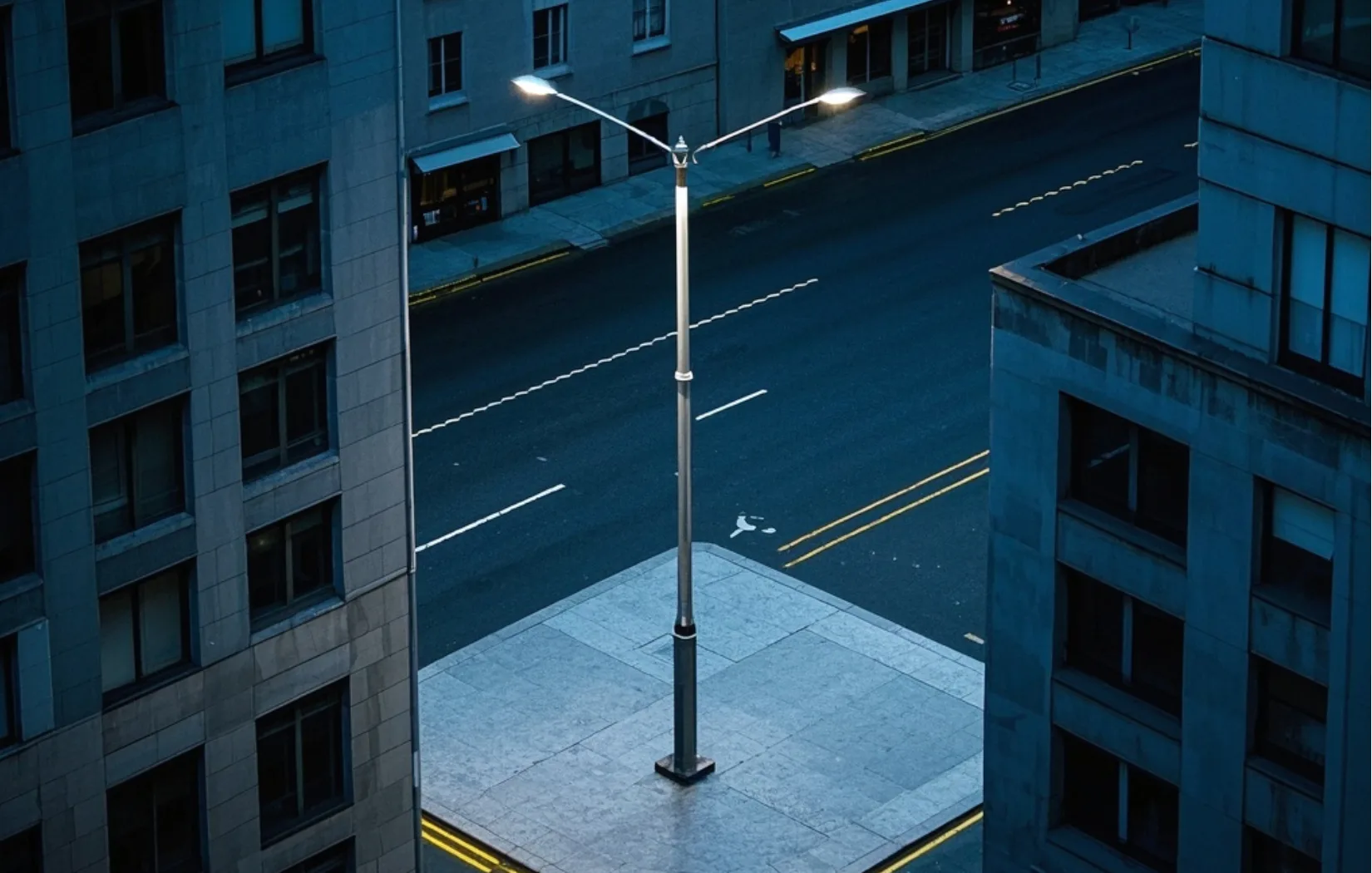
Engineering for wind resistance is a non-negotiable step in the specification process. The Effective Projected Area (EPA) of the luminaire, combined with the local wind velocity map provided by AASHTO (American Association of State Highway and Transportation Officials) , dictates the required wall thickness and shaft diameter. Standard Steel Light Poles are designed to meet specific wind gust requirements, often ranging from 90 mph to 180 mph depending on the geographic region, ensuring they do not buckle under extreme weather conditions.
| Property | Specification Requirement | Standard Reference |
|---|---|---|
| Yield Strength | Minimum 50,000 psi | ASTM A572 |
| Coating Thickness | Minimum 3.9 mils (86 µm) | ASTM A123 |
| Welding Quality | Full penetration or 60% min | AWS D1.1 |
Corrosion Protection through Hot-Dip Galvanizing
The longevity of steel infrastructure is directly linked to its resistance to oxidation. Hot-dip galvanizing per ASTM A123 is the most effective method for protecting a Steel Light Pole. This process creates a metallurgical bond between the zinc and the steel, providing a sacrificial layer that prevents rust even if the surface is scratched. For coastal highways, a duplex system—powder coating over galvanizing—is recommended to provide an extra barrier against salt-laden air.
Comparing Tapered vs. Straight Steel Poles
Designers must choose between tapered and straight shafts based on both aesthetics and mechanics. Tapered Standard Steel Light Poles offer better wind resistance and stress distribution compared to straight poles, as the wider base handles the highest moment of force. Straight poles are often reserved for low-speed urban roads where uniform diameter is preferred for mounting specialized signage or IoT equipment.
Foundation and Anchor Base Design
The stability of a light pole is only as reliable as its foundation. Most highway poles utilize an anchor-base design, where the pole is bolted to a reinforced concrete footing using high-strength anchor bolts (ASTM F1554). This design allows for easier leveling during installation and simplified replacement if the pole is damaged. Proper bolt circle diameter and projection height are critical metrics that must be verified against the manufacturer’s shop drawings.
Safety and Breakaway Requirements
For highway applications, safety standards often mandate the use of breakaway bases. According to the Federal Highway Administration (FHWA) , poles located within the “clear zone” of a highway must be designed to shear off or yield upon impact. This minimizes the deceleration force on a vehicle, significantly reducing the risk of fatal injuries during a collision. Aluminum transformer bases or multi-directional slip bases are common components integrated into Steel Light Pole systems to meet these safety criteria.
Sustainability and Lifecycle Assessment
Steel is the most recycled material on the planet, making it a sustainable choice for green infrastructure initiatives. At the end of its multi-decade service life, a Steel Light Pole can be 100% recycled into new steel products without loss of quality. Specifying steel supports the circular economy and often contributes to LEED (Leadership in Energy and Environmental Design) points for public works projects.
Integration of Smart City Technology
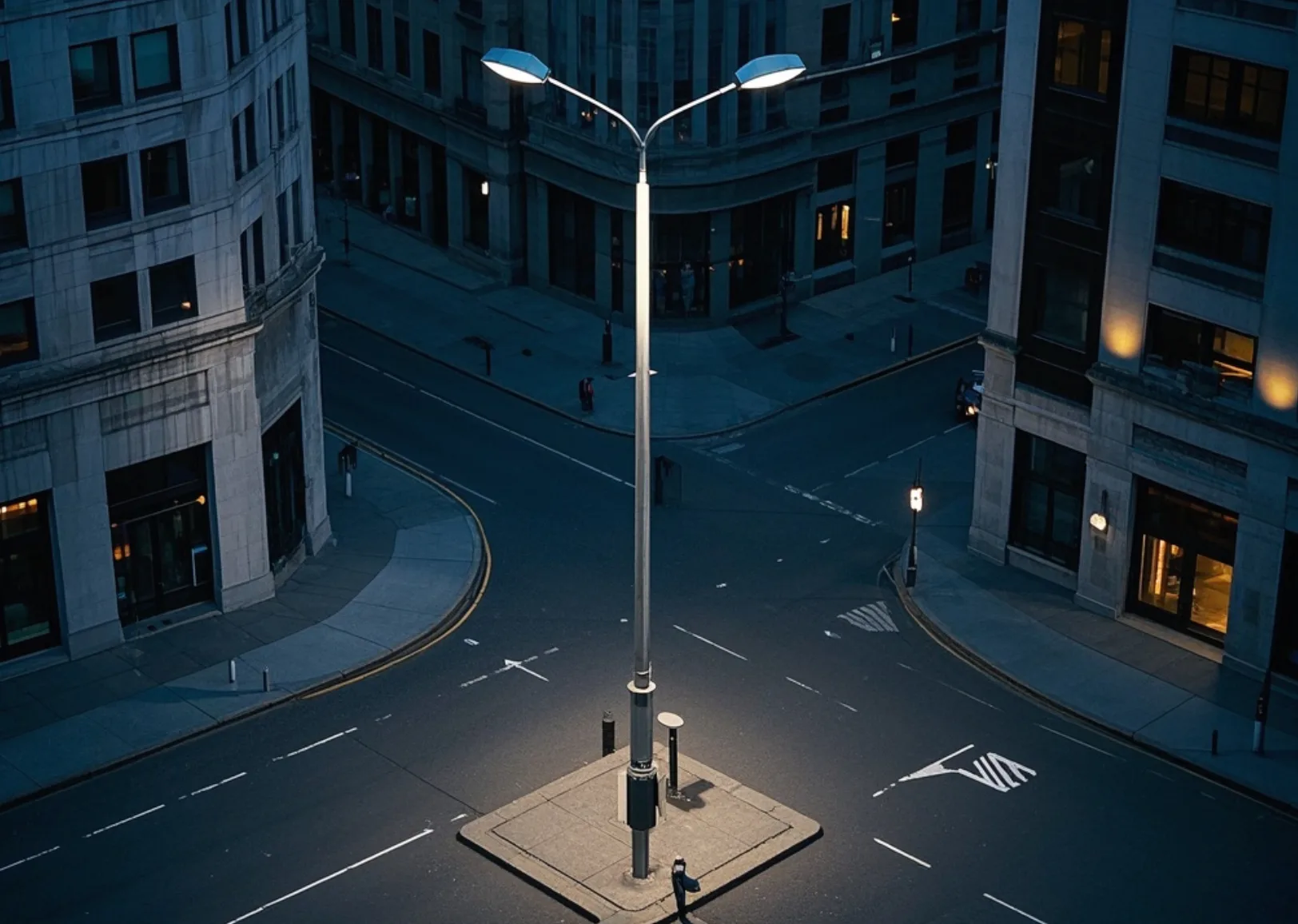
Modern highway infrastructure is increasingly becoming a platform for data. Current Standard Steel Light Poles specifications often include provisions for 5G small cells, traffic cameras, and environmental sensors. Steel’s structural rigidity makes it the ideal material for supporting the additional weight and wind surface area of these smart devices without excessive deflection.
Quality Control and Inspection Protocols
A robust specification includes rigorous quality control (QC) requirements. Manufacturers should provide Mill Test Reports (MTRs) for all raw materials and certifications for welding personnel per AWS D1.1 (American Welding Society) . Post-fabrication inspections, including ultrasonic testing of welds and magnetic particle inspection, are essential to ensure the Steel Light Pole is free of internal defects before it reaches the job site.
| Pole Height (ft) | Recommended Wall Thickness (in) | Typical Application |
|---|---|---|
| 15 – 25 | 0.1196 (11 gauge) | Residential/Urban |
| 25 – 40 | 0.1793 (7 gauge) | Arterial Roads |
| 40 – 100+ | 0.2500 – 0.3750 | Highway/High-Mast |
Cost Analysis: Initial vs. Lifecycle
While the initial cost of a Steel Light Pole might be higher than wood or fiberglass, its lifecycle value is unmatched. The reduced need for maintenance and the extreme durability against environmental stressors lead to a lower “Total Cost of Ownership” (TCO). When considering Standard Steel Light Poles, procurement officers should evaluate the 50-year cost-benefit rather than just the upfront purchase price.
Sourcing Reliable Infrastructure Components
Sourcing from established manufacturers like Moreluxpost ensures that the technical specifications are met with precision. Reliable suppliers provide comprehensive documentation, including structural calculations and loading charts, which are vital for project approval by government transport departments. Utilizing verified Street Light Poles ensures that the infrastructure meets the rigorous demands of 24/7 highway operations.
Future-Proofing Highway Lighting
As lighting technology shifts toward lighter, more efficient LED luminaires, the structural requirements for poles are evolving. Specifying Steel Light Pole systems with modular mounting brackets allows for easy upgrades to future lighting or sensor technologies. This flexibility prevents the infrastructure from becoming obsolete as technology advances over the next decade.
Conclusion: The Value of Precision Specification
Precision in specifying Standard Steel Light Poles is not merely a matter of engineering—it is a commitment to public safety and fiscal responsibility. By adhering to ASTM and AASHTO standards, engineers can ensure that highway lighting remains a resilient and reliable asset for generations.
FAQ
Q1: What is the standard height for a highway steel light pole?
Highway poles typically range from 30 to 50 feet for standard roadway lighting, while high-mast poles used for interchanges can exceed 100 feet. The height is determined by the required light distribution and the lumen output of the luminaires to ensure uniform visibility and safety.
Q2: How does hot-dip galvanizing protect steel poles from salt air?
Hot-dip galvanizing creates a thick, durable zinc-iron alloy layer that acts as a physical barrier and provides cathodic protection. In salt-rich environments, the zinc corrodes preferentially to the steel, extending the lifespan of the Steel Light Pole significantly compared to paint or other surface treatments.
Q3: Can steel light poles be used for 5G small cell deployment?
Yes, steel is the preferred material for 5G integration due to its high strength-to-weight ratio. It can support the heavy radio units and cabling required for 5G without the structural fatigue or excessive swaying that might affect signal stability on less rigid materials.
Q4: What are breakaway bases, and are they mandatory for all steel poles?
Breakaway bases are safety components designed to fail predictably when struck by a vehicle. They are mandatory for poles located within the “clear zone” of high-speed highways as per AASHTO and FHWA guidelines, but they may not be required in low-speed urban areas with curbs.
Q5: How do I calculate the EPA for a light pole project?
EPA, or Effective Projected Area, is calculated by multiplying the surface area of the luminaire and its mounting brackets by a drag coefficient based on their shape. This value is critical for determining if a Standard Steel Light Poles can safely support the wind load in a specific geographic zone.