
Selecting the right Steel Light Pole for luxury estates requires a balance of structural integrity, aesthetic harmony, and long-term durability. This guide provides an expert framework for architects and developers to choose premium Standard Steel Light Poles that enhance property value and ensure safety.
Understanding the Importance of Material Grade in Luxury Estates
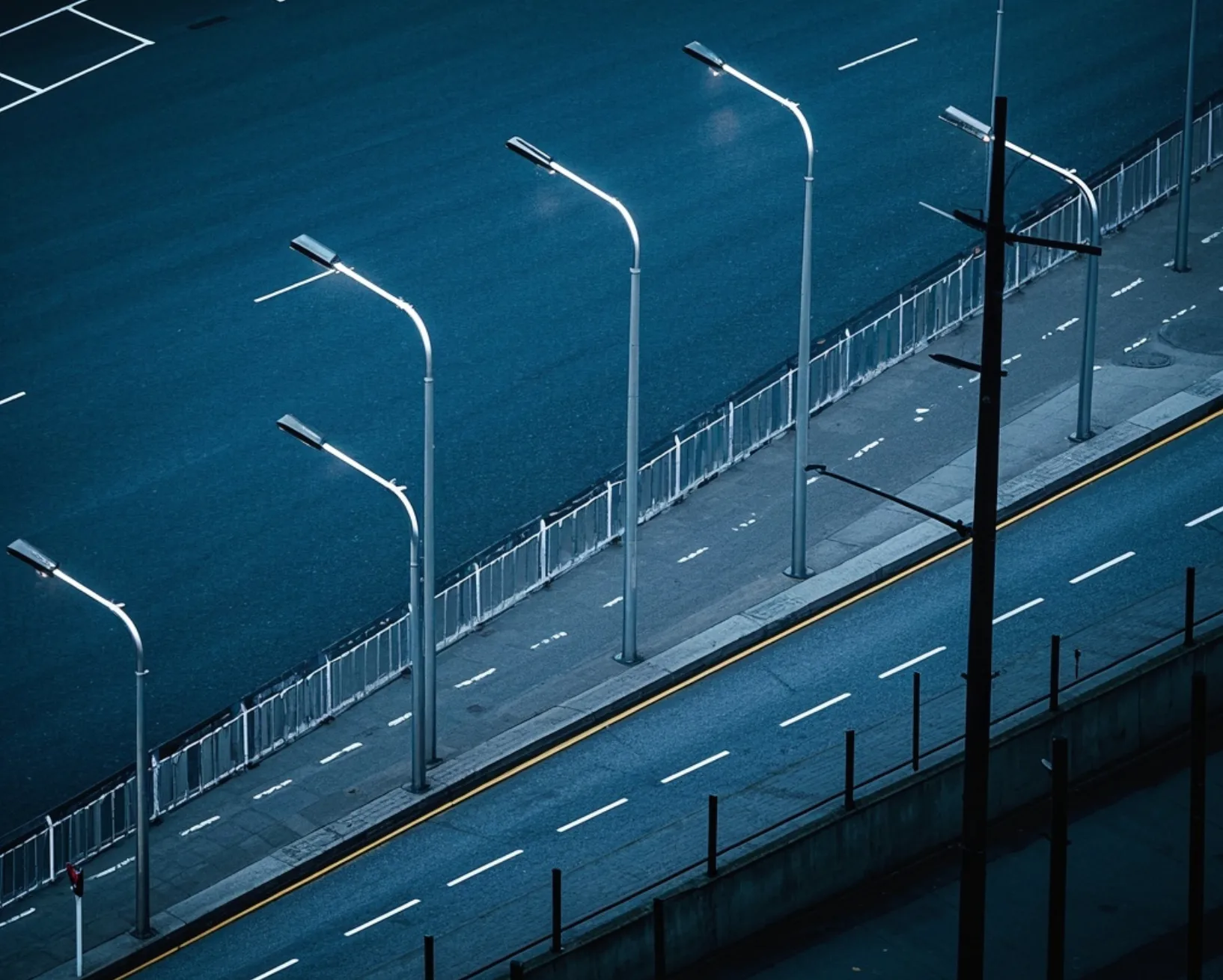
In high-end residential developments, the Steel Light Pole serves as more than a functional utility; it is a critical component of the community’s visual identity. Using high-tensile steel ensures that the structure can support sophisticated Decorative Pole fixtures without sagging or vibration. According to the American Galvanizers Association (AGA) , steel remains the preferred choice for height-intensive applications due to its superior strength-to-weight ratio compared to composite materials.
Defining Key Selection Criteria for Premium Projects
To ensure a successful installation, project managers must define the specific environmental and aesthetic constraints of the site. A Steel Light Pole designed for a coastal luxury resort will have vastly different specifications than one intended for an inland gated community.
Table 1: Material Comparison for Residential Lighting Infrastructure
| Feature | Standard Steel Light Poles | Aluminum Poles | Fiberglass Poles |
|---|---|---|---|
| Structural Strength | High (Superior for tall heights) | Medium | Low to Medium |
| Initial Cost | Cost-Effective | Higher | Medium |
| Customization | Extensive (Welding/Bending) | Limited | Very Limited |
| Impact Resistance | Excellent | Moderate | Low |
| Typical Lifespan | 25–50 Years (Galvanized) | 30–50 Years | 15–20 Years |
Corrosion Resistance: The Science of Longevity
The longevity of a Steel Light Pole in a high-end area depends almost entirely on its surface treatment. Hot-dip galvanization is the industry standard for preventing oxidation, but for premium residential zones, a “Duplex System”—galvanization followed by a high-grade powder coating—is recommended. This process provides a secondary barrier that significantly extends the maintenance cycle. Industry data from NACE International suggests that duplex coatings can last up to 2.5 times longer than either coating used alone.
Aesthetic Integration with Architectural Styles
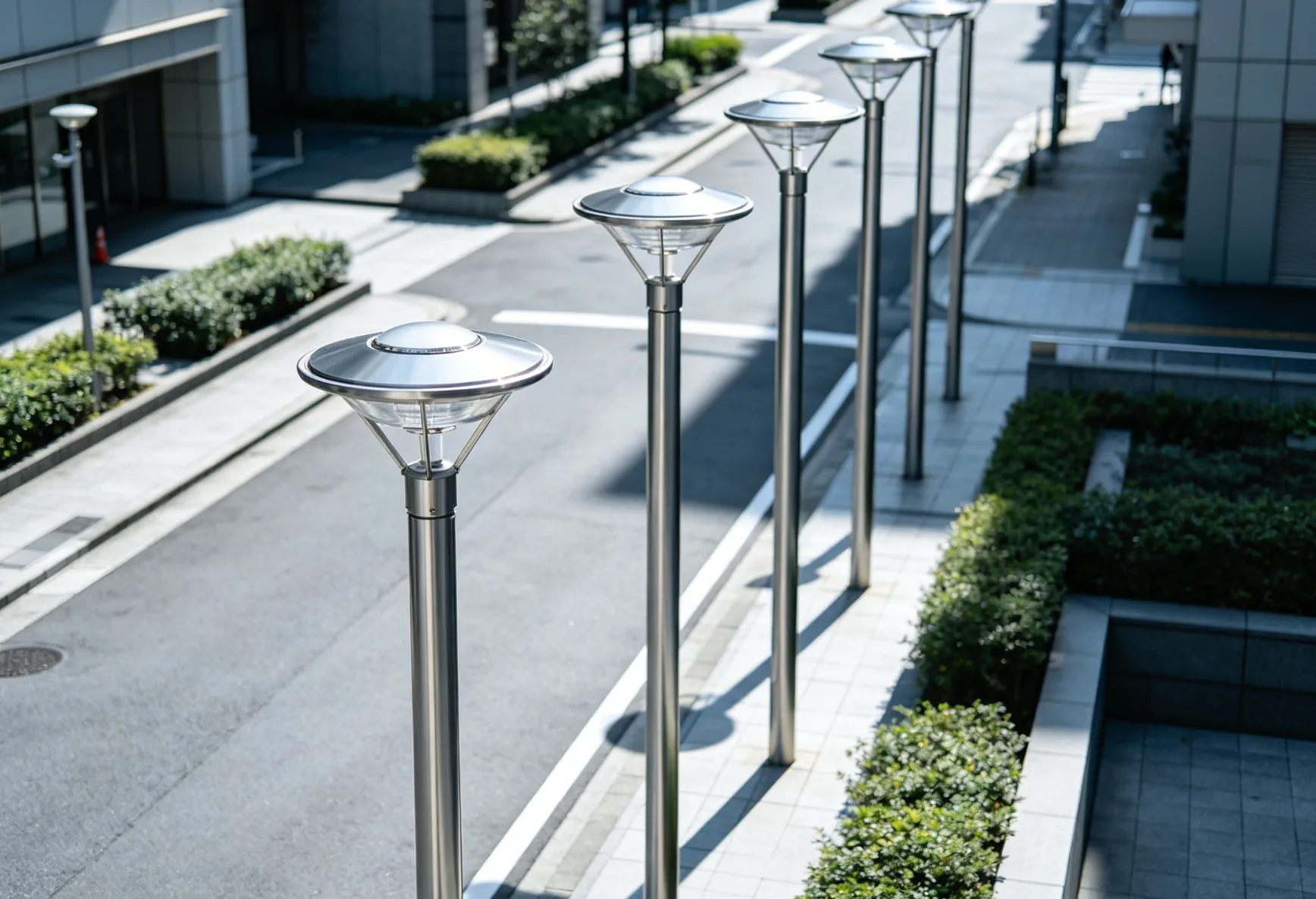
Architects must ensure that Decorative Pole designs complement the residential theme, whether it is Mediterranean, Modern Minimalist, or Colonial. Modern Steel Light Pole manufacturing allows for tapered, fluted, or square profiles that mirror the lines of the surrounding buildings. Integrating hidden wiring and flush-mounted access doors preserves the clean aesthetic required for luxury environments.
Structural Integrity and Wind Load Compliance
Every Steel Light Pole must be engineered to withstand local wind conditions. For residential areas, engineers often refer to AASHTO (American Association of State Highway and Transportation Officials) standards to determine the appropriate wall thickness and base plate dimensions. Using Standard Steel Light Poles that meet these rigorous calculations prevents catastrophic failure during extreme weather events.
Table 2: Wind Load Selection Matrix for Residential Steel Poles
| Wind Zone (MPH) | Recommended Pole Height | Minimum Wall Thickness | Foundation Depth (Est.) |
|---|---|---|---|
| 90 – 110 MPH | 10 – 15 Feet | 3.0mm (11 Gauge) | 3.5 Feet |
| 110 – 130 MPH | 15 – 25 Feet | 4.0mm (7 Gauge) | 5.0 Feet |
| 130+ MPH (Coastal) | Custom Engineered | 5.0mm+ | 6.5+ Feet |
Smart City Integration in High-End Community Lighting
Modern high-end developments are increasingly adopting IoT technologies. A contemporary Steel Light Pole can now act as a hub for security cameras, Wi-Fi mesh nodes, and EV charging stations. Selecting Smart Poles from a specialized manufacturer ensures that these internal components are protected from the elements while maintaining a sleek, unobtrusive exterior.
Evaluating Maintenance and Total Cost of Ownership (TCO)
While the initial purchase price of a Steel Light Pole is important, the TCO provides a more accurate financial picture for homeowners’ associations (HOAs). High-quality powder coatings reduce the frequency of repainting, and standardized Steel Light Pole accessories ensure that replacement parts are readily available. Research by the Illuminating Engineering Society (IES) indicates that proactive material selection can reduce long-term infrastructure costs by up to 30%.
Safety and Compliance with International Standards
Safety is paramount in pedestrian-heavy residential zones. Professional Steel Light Pole manufacturers adhere to certifications such as ISO 9001 and CE marking to guarantee weld quality and structural safety. For projects in the European Union or the Middle East, compliance with EN 40 standards is mandatory to ensure the pole can safely support the weight of heavy LED luminaires.
Table 3: Pros and Cons of Steel Poles in Residential Zones
| Pros | Cons |
|---|---|
| Highest structural reliability for CCTV/IoT integration. | Heavier than aluminum, requiring more equipment for installation. |
| Easily repairable via welding if minor damage occurs. | Requires high-quality coating to prevent rust in salt-heavy air. |
| Significantly lower carbon footprint during initial production. | Higher conductivity requires strict electrical grounding. |
| Unmatched resistance to vandalism and vehicle impact. | Initial lead times for custom designs can be longer. |
Procurement Best Practices for Developers
When sourcing a Steel Light Pole, developers should request a full material mill report and a galvanization certificate. It is advisable to partner with manufacturers who offer in-house testing, including ultrasonic weld testing and salt spray chamber analysis. This level of transparency is a hallmark of E-E-A-T (Experience, Expertise, Authoritativeness, and Trustworthiness) in the lighting industry.
Conclusion: Elevating Residential Infrastructure
Choosing the perfect Steel Light Pole involves a deep understanding of metallurgy, engineering, and urban design. By prioritizing high-tensile materials, advanced anti-corrosion duplex coatings, and smart-ready structures, developers can create residential environments that are both beautiful and resilient. Investing in premium Standard Steel Light Poles ensures that the community remains well-lit and safe for decades to come.
FAQ
Q1: How does a steel light pole contribute to property value in high-end areas?
High-quality steel poles provide a sense of permanence and security. When combined with architectural luminaire designs, they create a cohesive luxury “feel” that attracts premium buyers and increases the overall perceived value of the real estate development.
Q2: What is the typical maintenance schedule for a powder-coated steel pole?
In standard residential environments, a high-quality powder-coated steel pole requires minimal maintenance. An annual visual inspection for surface scratches and a simple cleaning with mild detergent every two years is usually sufficient to maintain its aesthetic appeal for decades.
Q3: Are steel poles safe for use in residential areas with high pedestrian traffic?
Yes, steel poles are exceptionally safe due to their high impact resistance. Unlike brittle materials, steel absorbs energy during an impact, and when installed with proper breakaway bases (if required by local codes), they meet all modern safety standards for urban environments.
Q4: Can I retrofit existing steel light poles with smart city technology?
Retrofitting is possible if the pole has sufficient internal diameter and structural capacity. However, for high-end areas, it is recommended to install purpose-built poles with internal mounting rails to ensure that wires and sensors are completely hidden from public view.
Q5: What is the environmental impact of choosing steel over other materials?
Steel is one of the world’s most recycled materials. Choosing steel light poles supports a circular economy, as nearly 100% of the pole can be recycled at the end of its life cycle, significantly reducing the environmental footprint of the community’s infrastructure.