
The rapid expansion of urban infrastructure across African nations has created a significant surge in the requirement for durable, high-specification Steel Street Light Poles. This comprehensive industry report analyzes the shift toward customized lighting solutions, exploring how bespoke engineering addresses the unique environmental and logistical challenges of the African continent.
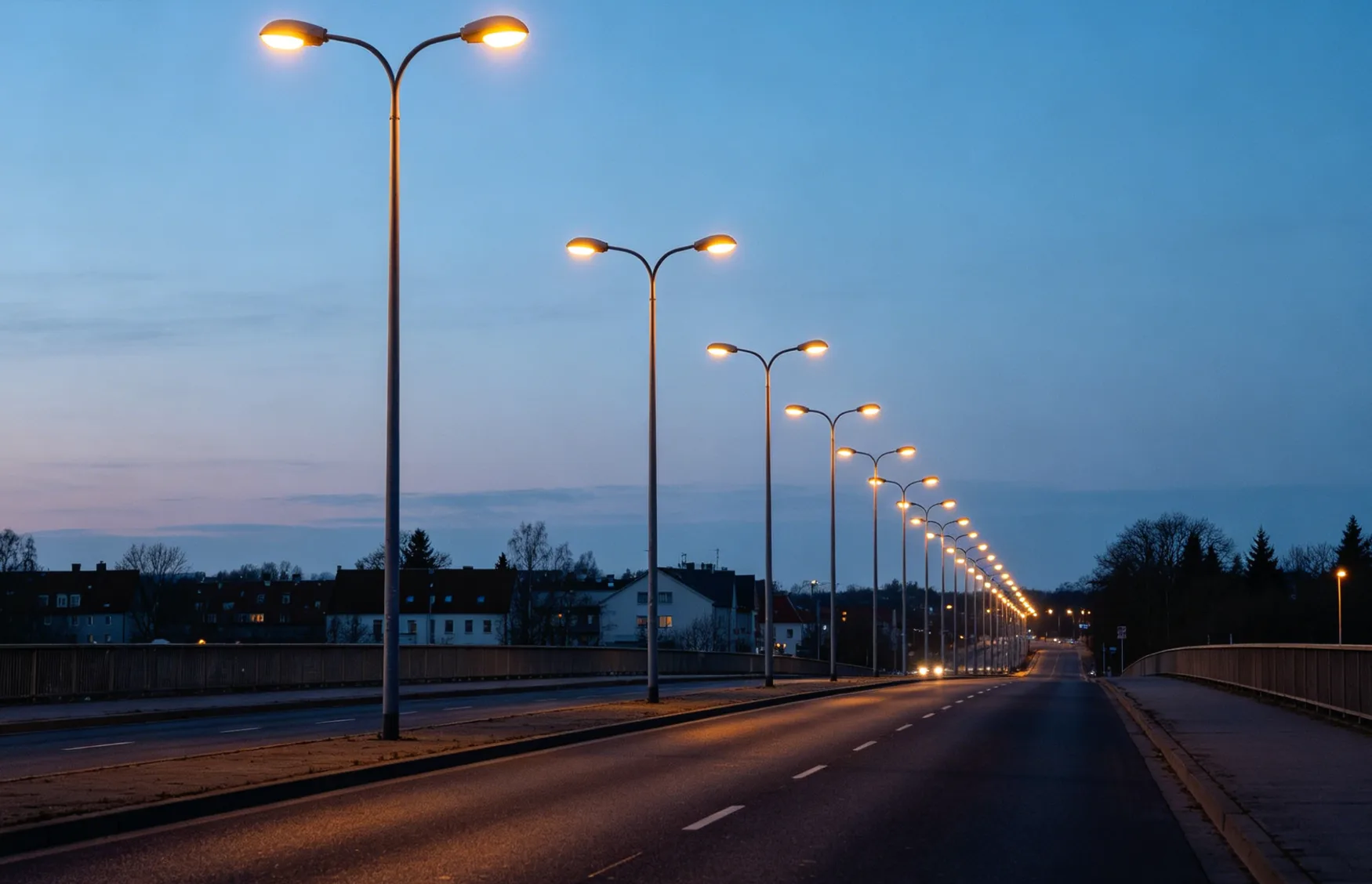
The Shift Toward Customization in African Infrastructure
African urban planning is transitioning from standardized lighting fixtures to site-specific engineering to accommodate diverse topographies and climates. Steel Light Poles are now frequently modified in terms of height, arm outreach, and wind load resistance to ensure long-term stability in coastal and arid regions alike. According to the African Development Bank (AfDB), infrastructure investment remains a primary driver of economic growth, with a notable focus on modernizing road networks and public safety through reliable illumination.
Technical Advantages of Steel Light Poles
Steel remains the material of choice for large-scale utility projects due to its superior structural integrity and cost-to-strength ratio. Unlike alternative materials, Steel Street Light Poles provide the necessary rigidity to support modern “Smart City” attachments, such as surveillance cameras and environmental sensors, without compromising safety.
| Feature | Standard Steel Poles | Custom Engineered Steel Poles |
|---|---|---|
| Wind Load Capacity | Standardized (e.g., 120 km/h) | Site-specific (up to 200+ km/h) |
| Corrosion Resistance | Basic Galvanization | Dual Coating (Galvanization + Powder Coating) |
| Design Flexibility | Fixed Dimensions | Tailored Height and Bracket Geometry |
| Integration | Lighting only | Multi-functional (CCTV, Wi-Fi, 5G) |
Environmental Factors Driving Bespoke Engineering
The African continent presents extreme environmental stressors, ranging from high humidity in tropical zones to intense UV radiation in desert regions. To combat these factors, engineers are specifying advanced protective treatments for Steel Light Poles, such as hot-dip galvanization compliant with ISO 1461 standards. Specialized Steel Light Pole configurations often include reinforced base plates and vibration dampeners to withstand the unique seismic and soil conditions found in various African sub-regions.
Comparative Material Analysis: Steel vs. Alternatives
While aluminum and composite materials are available, steel’s dominance in the African market is underpinned by its resilience and ease of maintenance. The following table provides a comparative overview of material performance in heavy-duty infrastructure applications.
| Criteria | Steel (Galvanized) | Aluminum | Composite (FRP) |
|---|---|---|---|
| Structural Strength | Very High | Medium | Medium-High |
| Impact Resistance | High | Low | Medium |
| Service Life | 25–50 Years | 25–40 Years | 20–30 Years |
| Maintenance Need | Low (if galvanized) | Very Low | Low |
Economic Impact of Localized Lighting Solutions
Investing in high-quality Steel Street Light Poles reduces the Total Cost of Ownership (TCO) for African municipalities by minimizing replacement frequencies. Many governments are now prioritizing suppliers who offer Decorative Pole options that combine aesthetic appeal with the structural benefits of steel, fostering a sense of identity in newly developed urban centers. Recent reports from the International Energy Agency (IEA) suggest that efficient street lighting is a cornerstone of reducing energy poverty and improving nocturnal economic activity.
Logistics and Installation Challenges
Transporting large-scale infrastructure components across vast distances requires modular designs that can be easily assembled on-site. Manufacturers are responding by creating Steel Pole systems with slip-joint or flanged connections, allowing for denser shipping and simplified crane-less installation in remote areas. This modularity ensures that Steel Light Poles can be deployed even in regions with limited heavy machinery access.
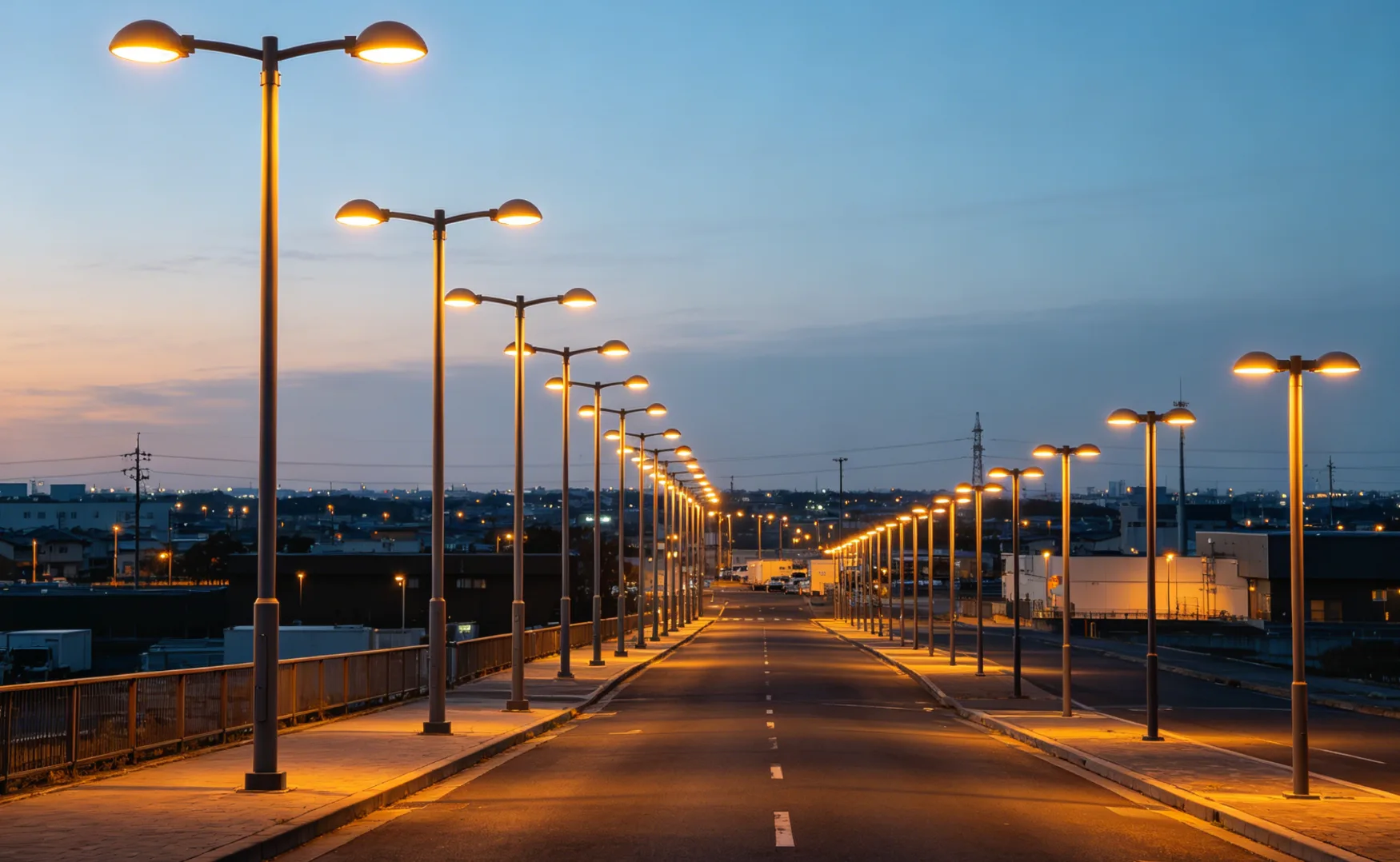
Integration of Smart Technologies
The rise of the “Smart City” concept in hubs like Nairobi, Lagos, and Cairo has transformed the humble lamppost into a data hub. Modern Steel Street Light Poles are designed with internal compartments to house electrical components for IoT devices. These Smart poles are essential for managing traffic flow and public safety in densely populated metropolitan areas.
Selection Checklist for African Municipalities
When procuring lighting infrastructure, procurement officers should evaluate several critical factors to ensure project longevity.
- Compliance with International Standards: Ensure poles meet BS EN 40 or AASHTO specifications.
- Protective Coatings: Verify that the galvanization thickness is appropriate for the local micro-climate.
- Foundation Design: Custom Steel Light Poles must have base plates matched to local soil load-bearing capacities.
- Future-Proofing: Select designs that allow for future upgrades, such as LED retrofitting or sensor installation.
Quality Control and Manufacturing Excellence
Reliable manufacturers employ rigorous testing protocols, including ultrasonic thickness gauging and magnetic particle inspection, to ensure weld integrity. For high-traffic areas, Roadway lighting poles must undergo fatigue testing to simulate decades of wind-induced oscillation. Industry experts at the World Steel Association emphasize that high-quality steel production is vital for sustainable infrastructure development globally.
Sustainability and the Circular Economy
Steel is 100% recyclable, making it an environmentally responsible choice for growing African cities. At the end of their service life, Steel Street Light Poles can be repurposed or melted down, contributing to a circular economy. This sustainability factor is increasingly important as African nations align with United Nations Sustainable Development Goal 11 for sustainable cities and communities.
FAQ
What are the primary benefits of using steel for light poles in Africa?
Steel offers unparalleled structural strength and durability, which is essential for withstanding the diverse and often harsh environmental conditions across the continent. Steel Street Light Poles are particularly valued for their high wind resistance and ability to support heavy multi-functional equipment like 5G small cells and security cameras.
How does hot-dip galvanization protect steel poles in coastal African cities?
Hot-dip galvanization creates a metallurgical bond between the zinc and the steel, providing a robust sacrificial layer that prevents rust. This treatment is crucial for Steel Light Poles located in humid, saline coastal environments, as it can extend the service life of the structure to over 50 years without significant maintenance.
Can custom steel poles be integrated with solar lighting systems?
Yes, custom engineering allows for the inclusion of specialized brackets and battery compartments specifically designed for solar panels. These modified Steel Street Light Poles are highly effective in off-grid or rural areas across Africa, where extending the traditional electrical grid may be cost-prohibitive or geographically challenging.
What is the typical lead time for custom steel light pole orders?
Lead times vary based on the complexity of the customization and the volume of the order, but they generally range from 6 to 12 weeks. High-quality manufacturers provide detailed production timelines and coordinate logistics to ensure that the Steel Light Poles arrive at the project site in alignment with the broader construction schedule.
Are there aesthetic options available for steel poles in urban beautification projects?
Modern manufacturing techniques allow for a wide range of decorative finishes and architectural shapes beyond the standard tapered design. Municipalities can select customized colors and ornamental arm attachments for their Steel Street Light Poles to enhance the visual appeal of parks, plazas, and premium commercial districts while maintaining structural integrity.