
Understanding the manufacturing process of Steel Street Light Poles is essential for urban planners and engineers to ensure long-term structural integrity and safety. This guide explores the sophisticated engineering and fabrication stages required to produce durable Steel Light Poles that meet modern infrastructure standards.
Material Selection: The Foundation of Durability
Material selection is the primary determinant of a pole’s lifespan and resistance to environmental stressors. Most Steel Street Light Poles are fabricated from high-strength carbon steel, such as ASTM A572 or Q235, which provides the necessary yield strength to support heavy luminaires and withstand wind loads. High-quality Steel Light Poles require materials with low silicon content to ensure a smooth, uniform finish during the subsequent galvanization process.
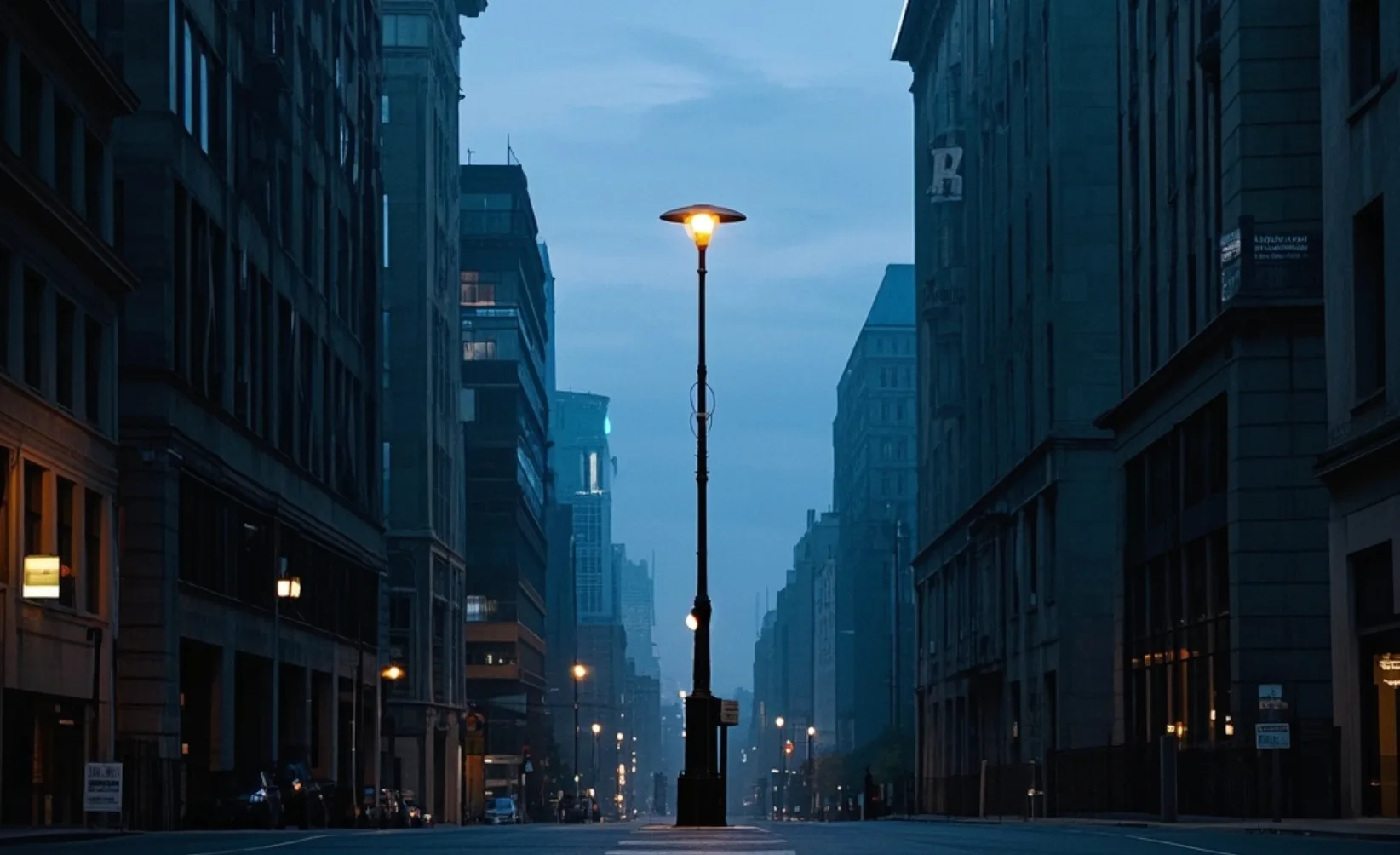
Steel selection must also account for the specific climate of the installation site. For example, coastal regions may require specialized alloys or thicker base plates to combat salt-spray corrosion. By adhering to rigorous material standards, manufacturers can guarantee that the foundational structure of the Steel Light Pole remains stable for decades.
| Property | Standard Carbon Steel (Q235/A36) | High-Strength Low-Alloy (A572) |
|---|---|---|
| Yield Strength | ~235 MPa | ~345 MPa |
| Best Use Case | Standard residential streets | Highways and high-wind areas |
| Weldability | Excellent | Very Good |
| Cost Efficiency | High | Moderate |
Precision Cutting and CNC Plasma Shaping
Modern fabrication begins with precision cutting of steel sheets into trapezoidal or rectangular shapes. CNC plasma or laser cutting systems are utilized to ensure dimensional accuracy within millimeters, which is vital for the eventual taper of the Steel Street Light Poles. During this phase, necessary apertures for handholes and cable entries are also precision-cut to prevent structural weaknesses.
Maintaining strict tolerances during cutting prevents assembly issues during the later stages of production. For custom Decorative Pole designs, the cutting process may involve more intricate patterns to accommodate aesthetic brackets or unique arm attachments. Accurate shaping at this stage ensures that the finished Steel Light Poles maintain a perfectly centered vertical axis.
Forming and Longitudinal Welding
Once cut, the steel sheets are fed into heavy-duty hydraulic press brakes to be formed into round, octagonal, or square profiles. This shaping process creates the “tapered” effect characteristic of most Steel Street Light Poles, which improves aerodynamic performance and weight distribution. The longitudinal seam is then closed using Automatic Submerged Arc Welding (ASW), a process that ensures deep penetration and a leak-proof seal.
According to the American Welding Society (AWS), proper weld penetration is critical for preventing fatigue failure in structures subject to constant vibration. To ensure quality, manufacturers often perform non-destructive testing (NDT), such as ultrasonic or radiographic inspections, on the primary weld seams of the Steel Light Poles. This level of scrutiny distinguishes industrial-grade products from lower-quality alternatives.
Structural Reinforcement: Base Plates and Arms
The base plate is the most critical structural component, as it transfers the entire load of the Steel Street Light Poles to the concrete foundation. These plates are typically double-welded—internally and externally—to the pole shaft. High-quality Steel Light Pole designs often include gussets or reinforcing ribs at the base to distribute stress more evenly.
| Component | Function | Manufacturing Requirement |
|---|---|---|
| Base Plate | Foundation anchoring | Thick-gauge steel, precision leveled |
| Luminare Arm | Light fixture support | Slip-fit or bolt-on connection |
| Handhole | Wiring access | Reinforced frame to maintain integrity |
Anchor bolts, usually made of galvanized steel, are matched to the base plate’s hole pattern. In many Smart Pole configurations, additional internal mounting brackets are installed at this stage to house 5G equipment, cameras, or EV charging controllers. These additions require specialized welding to ensure the internal cavity remains organized and safe for electrical components.
Hot-Dip Galvanizing for Corrosion Resistance
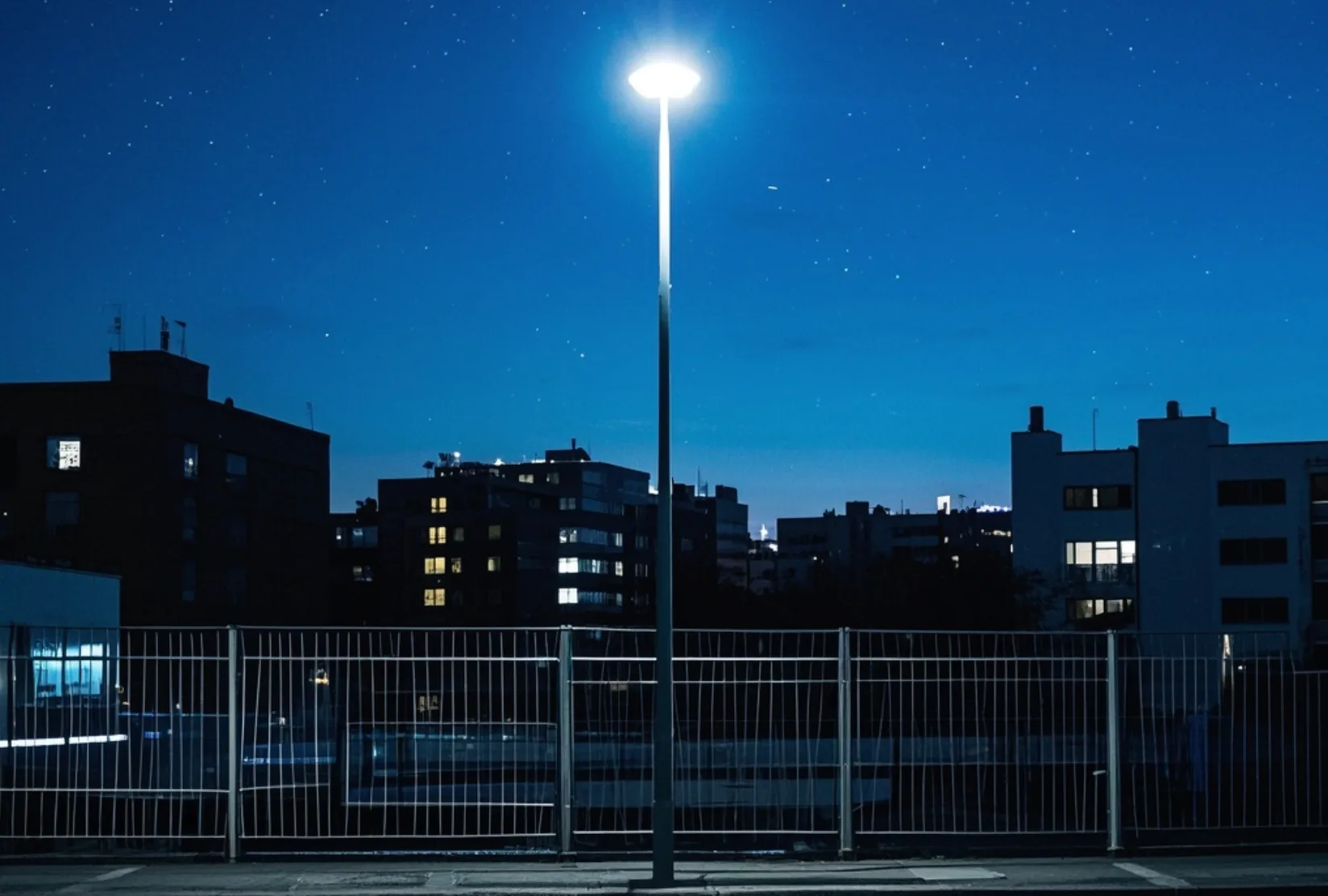
Corrosion is the primary enemy of outdoor steel structures, making the hot-dip galvanizing process mandatory for professional Steel Street Light Poles. The poles are immersed in a bath of molten zinc at approximately 450°C (840°F), creating a metallurgical bond that protects the steel from oxygen and moisture. This process provides both a physical barrier and cathodic protection for the Steel Light Poles.
The American Galvanizers Association (AGA) notes that hot-dip galvanizing can provide a maintenance-free service life of over 50 years in most environments. Unlike paint, which can chip or peel, the zinc layer on Steel Street Light Poles becomes part of the steel itself, ensuring that even deep scratches do not lead to rust “creeping” under the surface.
Surface Finishing: Powder Coating and Aesthetics
While galvanization provides protection, powder coating provides the final aesthetic finish and an additional layer of UV resistance. The “Duplex System”—applying powder coating over a galvanized surface—is the gold standard for high-end Steel Street Light Poles. This dual-layer approach significantly extends the color retention and durability of the Steel Light Pole in harsh sunlight.
Electrostatic spray guns apply the powder, which is then cured in high-temperature ovens to form a hard, durable skin. For urban beautification projects, Decorative Pole finishes can be customized in various RAL colors or textures. This versatility allows Steel Light Poles to blend seamlessly into historic districts or modern business parks while maintaining industrial-strength protection.
Quality Control and Compliance Standards
Every batch of Steel Street Light Poles must undergo rigorous testing before shipment to ensure compliance with international safety standards. These tests typically include vertical load testing, wind speed resistance simulations, and coating thickness measurements. According to ASTM International standards, the zinc coating thickness must be verified using magnetic gauges to ensure it meets the minimum micron requirements for the specified environment.
| Test Type | Objective | Industry Standard |
|---|---|---|
| Visual Inspection | Detect weld spatters or surface pits | AWS D1.1 |
| Adhesion Test | Verify powder coat bonding | ASTM D3359 |
| Wind Load Test | Ensure stability at 120-160 km/h | AASHTO LTS |
Documentation, including Mill Test Reports (MTRs) for the raw steel and galvanizing certificates, provides the transparency required for municipal audits. Reliable manufacturers of Steel Light Poles maintain these records to prove that their products can withstand the specific “design wind speeds” of the installation region, as outlined by AASHTO guidelines.
Logistics and Site Installation
The final stage of the manufacturing process involves careful packaging and transportation to prevent surface damage. Steel Street Light Poles are often wrapped in protective foam or textiles and secured on timber cradles. Proper handling is crucial because damage to the protective coating during transit can compromise the long-term corrosion resistance of the Steel Light Poles.
Upon arrival at the site, the poles are lifted into position using cranes and secured to pre-set anchor bolts in the concrete foundation. Specialized Flag Pole and street lighting installations require precise leveling using leveling nuts and high-strength grout. This ensures that the Steel Light Poles remain perfectly plumb even under the stress of heavy winds or seismic activity.
Conclusion: Investing in Engineered Excellence
The production of Steel Street Light Poles is a complex marriage of heavy industrial fabrication and precision chemical engineering. By following a strict sequence of material selection, CNC shaping, automated welding, and hot-dip galvanizing, manufacturers create infrastructure that defines the safety and character of modern cities. Choosing a high-quality Steel Light Pole ensures that municipal investments are protected by decades of structural reliability and aesthetic permanence.
Frequently Asked Questions (FAQ)
What is the average lifespan of a galvanized steel light pole?
A high-quality Steel Street Light Pole that has been hot-dip galvanized typically lasts 30 to 50 years without significant maintenance. In non-coastal, inland environments, the lifespan of these Steel Light Poles can exceed 70 years, depending on local soil acidity and moisture levels.
Can steel light poles be customized for smart city technology?
Yes, modern Steel Street Light Poles are frequently engineered as “Smart Poles” to house internal wiring for Wi-Fi, 5G small cells, and IoT sensors. These custom Steel Light Poles feature reinforced internal compartments and specialized mounting brackets that do not compromise the pole’s structural wind-load rating.
How does wind load affect the design of a steel light pole?
Engineers calculate the “Effective Projected Area” (EPA) of the light fixture to determine the necessary wall thickness and diameter of the Steel Street Light Poles. In hurricane-prone regions, Steel Light Poles must be designed to withstand gusts exceeding 150 mph without permanent deformation.
Why is hot-dip galvanizing preferred over standard painting?
Unlike paint, which only provides a surface barrier, galvanizing creates a metallurgical bond with the Steel Street Light Poles. If the surface of these Steel Light Poles is scratched, the surrounding zinc provides “sacrificial protection,” preventing rust from spreading to the underlying steel.
Are steel light poles more sustainable than aluminum options?
Steel is one of the most recycled materials globally, making Steel Street Light Poles a sustainable choice for long-term infrastructure. Additionally, the extreme durability of galvanized Steel Light Poles reduces the need for frequent replacements, significantly lowering the total carbon footprint over the life of the project.