
Aluminum Light Pole vs Steel Pole: Which Has Better Value?
When selecting lighting infrastructure for streets, parking lots, or commercial properties, the choice between aluminum light pole and steel pole designs significantly impacts long-term value, maintenance costs, and structural performance. Understanding the material differences helps project managers and municipal planners make cost-effective decisions that balance initial investment against lifetime expenses.
Material Properties and Structural Differences
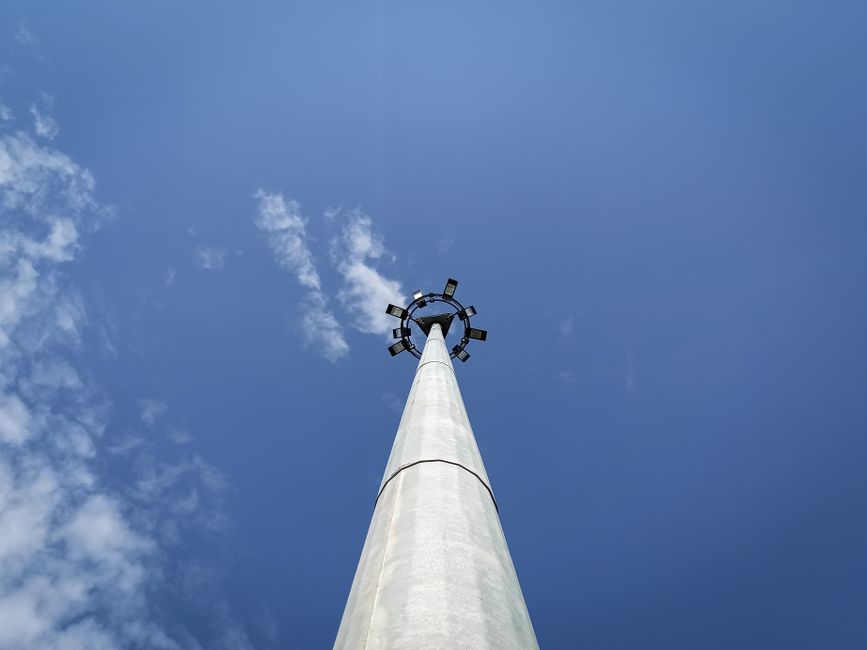
Aluminum light poles are manufactured from extruded or cast aluminum alloys, typically using grades 6061 or 6063. These materials offer excellent corrosion resistance through natural oxide formation, eliminating the need for protective coatings in most environments. Steel poles require hot-dip galvanizing or powder coating to achieve similar corrosion protection.
Steel poles provide superior tensile strength, with yield strengths ranging from 250 to 450 MPa depending on the grade. According to ISO 69487, structural steel specifications define the mechanical properties required for load-bearing applications. Aluminum, while lighter at approximately 2,700 kg/m³ versus steel’s 7,850 kg/m³, offers adequate strength for most residential and commercial lighting applications.
Cost Analysis: Initial Investment vs Lifetime Value
Aluminum light poles typically cost 10-20% more upfront than equivalent steel poles. However, aluminum’s corrosion resistance eliminates coating maintenance expenses that steel poles require every 10-15 years. When calculating total cost of ownership over 30 years, aluminum often proves more economical in coastal or humid climates.
Steel poles offer lower initial costs and excellent durability when properly maintained. For projects with tight budget constraints, galvanized steel poles remain a viable option for standard applications. Explore our steel light pole collection for various configurations suited to different installation requirements.
Weight and Installation Considerations
Aluminum poles weigh approximately 65% less than comparable steel poles of the same height and load capacity. This weight reduction simplifies transportation, reduces foundation requirements, and lowers installation labor costs. Lighter poles are particularly advantageous in areas with limited equipment access or unstable soil conditions.
Steel poles offer easier field modification capabilities through welding and cutting. For custom installations requiring adjustments on-site, steel provides greater flexibility. Reviewing common installation mistakes helps ensure proper mounting regardless of material choice.
Durability and Environmental Performance
Both materials demonstrate excellent durability when appropriately specified for their environment. Aluminum naturally resists galvanic corrosion when isolated from dissimilar metals. Steel requires protective coatings that must be inspected and maintained throughout the pole’s service life.
For harsh environments, stainless steel options provide exceptional corrosion resistance without maintenance requirements. Our premium stainless steel light poles utilize 304 or 316 grades for enhanced resistance in coastal and industrial areas.
Application Suitability Comparison
Different applications favor different materials based on specific requirements. The following comparison outlines key considerations for common use cases:
- Residential Streets: Aluminum poles offer excellent value through low maintenance and ease of installation.
- Commercial Parking: Steel poles provide cost-effective solutions for high-bay fixtures and impact-resistant installations.
- Coastal Areas: Aluminum or stainless steel poles minimize corrosion concerns in saltwater environments.
- Decorative Applications: Ornamental steel poles allow complex designs with cast iron or forged elements. Consider our decorative pole collection for aesthetic options.
- Industrial Facilities: Steel poles withstand high-wind loads and potential impact damage in demanding conditions.
Safety and Accessibility Standards
Public lighting installations must comply with accessibility guidelines established by the Web Content Accessibility Guidelines (WCAG) for digital information, though physical infrastructure follows additional local regulations. Both aluminum and steel poles can be specified to meet crash-worthiness requirements for roadside installations.
Cybersecurity considerations for smart lighting systems increasingly influence pole selection. Municipalities implementing connected lighting should review NIST cybersecurity guidelines to protect integrated control systems regardless of pole material.
Feature Comparison Table
| Feature | Aluminum Pole | Steel Pole |
|---|---|---|
| Weight | Light (65% of steel) | Heavy |
| Corrosion Resistance | Excellent (natural) | Good (with coating) |
| Initial Cost | 10-20% higher | Lower |
| Maintenance | Minimal | Periodic coating required |
| Tensile Strength | Moderate (200-300 MPa) | High (250-450 MPa) |
| Design Flexibility | Good (extrusion/casting) | Excellent (welding/fabrication) |
| Lifespan | 30-50 years | 25-40 years (with maintenance) |
Aesthetic Options and Design Considerations
Architectural and landscape lighting projects often prioritize visual appearance alongside functional performance. Steel poles accommodate intricate decorative elements through casting, forging, and fabrication techniques. Our signature decorative poles feature artistic European designs suitable for parks, plazas, and historic districts.
Classical architectural styles pair well with ornamental steel poles that incorporate scrollwork, acanthus leaves, or period-appropriate details. Expressive decorative poles with strong classical character enhance municipal streetscapes and commercial developments seeking cohesive design language.
Making the Value Decision
Determining whether aluminum or steel offers better value requires evaluating project-specific factors including climate, budget, maintenance capabilities, and design requirements. For most standard applications, both materials deliver reliable performance when properly specified and installed.
Projects prioritizing lowest initial cost with maintenance budgets available should consider galvanized steel. Those seeking minimal long-term maintenance in corrosive environments benefit from aluminum’s natural durability. Specialty applications requiring complex decorative elements favor steel’s fabrication flexibility.
Consulting with experienced manufacturers helps ensure proper pole selection for specific conditions. Quality suppliers offer engineering support for load calculations, foundation design, and material recommendations based on regional climate data and installation requirements.
Frequently Asked Questions
Which pole material lasts longer in coastal environments?
Aluminum poles typically outperform steel in coastal environments due to natural corrosion resistance. For premium applications, 316 stainless steel provides comparable longevity without maintenance requirements.
Can steel light poles be repaired if damaged?
Steel poles allow field repairs through welding and recoating. Aluminum repairs require specialized welding equipment and may compromise corrosion resistance if not performed correctly.
What is the typical lifespan of each pole type?
Aluminum poles commonly exceed 30-50 years with minimal maintenance. Steel poles last 25-40 years depending on coating condition and environmental exposure.
Do aluminum poles require foundations?
Aluminum poles require foundations similar to steel poles, though lighter weight may permit smaller foundation dimensions in some applications based on engineering analysis.
Which material is more sustainable?
Both materials offer excellent recyclability. Aluminum requires less energy to recycle than steel, though both can be reclaimed and reused indefinitely without property degradation.
For assistance selecting the appropriate pole for your specific project requirements, consult with lighting infrastructure specialists who can provide detailed specifications and cost comparisons tailored to your application.