
Global supply chain volatility significantly impacts the pricing and market availability of Steel Light Poles, making strategic procurement essential for modern infrastructure projects. This comprehensive guide explores how fluctuating raw material costs, shifting logistical bottlenecks, and advanced surface treatments like Galvanizing for Steel Light Poles directly determine final market prices. Urban planners, municipal engineers, and contractors will learn actionable strategies to navigate these complex economic fluctuations effectively and secure reliable civic infrastructure.
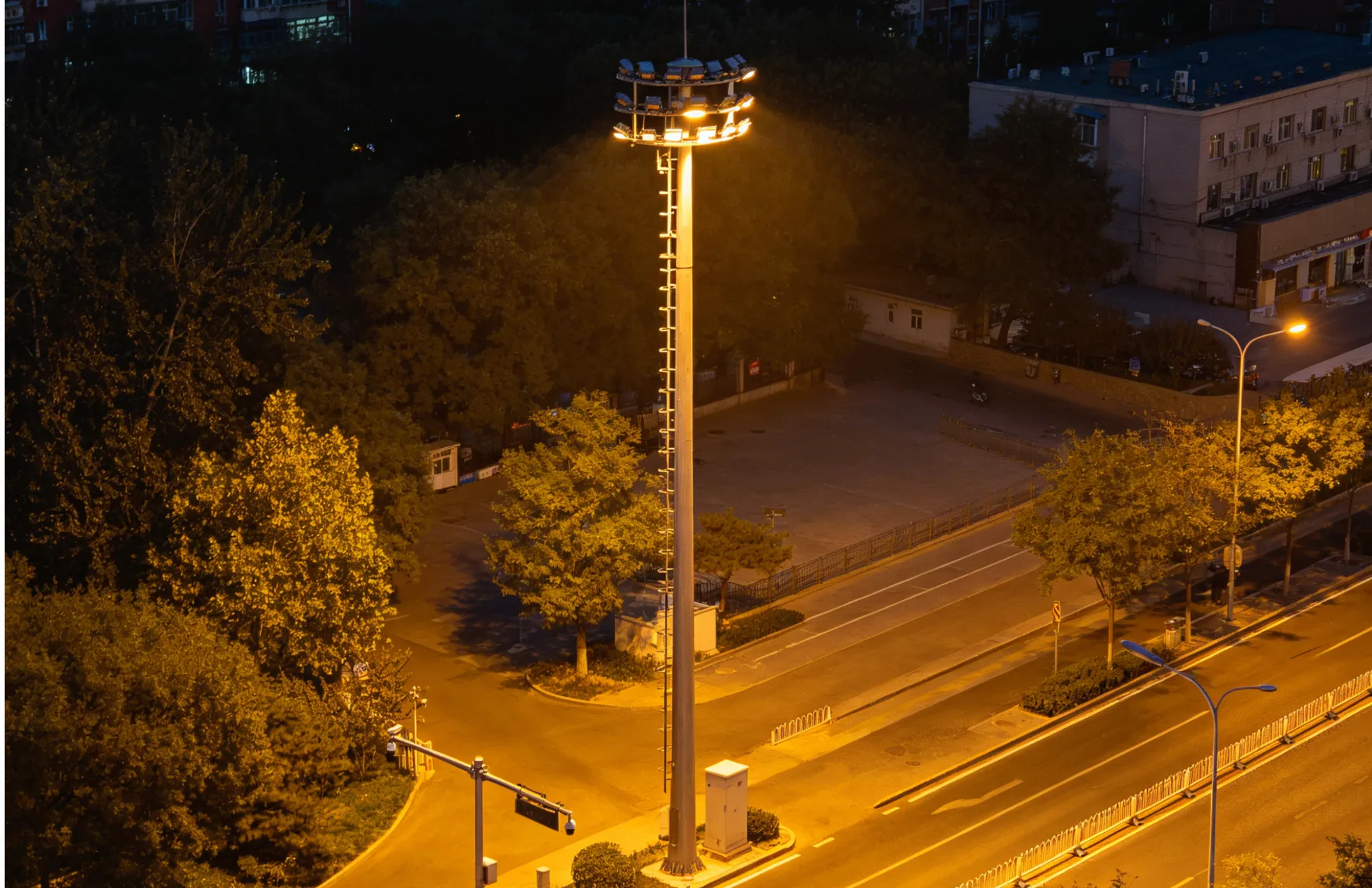
The Core Dynamics of Steel Light Pole Manufacturing Costs
Steel lighting infrastructure pricing relies on a complex web of direct commodity costs and specialized manufacturing processes.
Raw Material Price Fluctuations in 2025 and 2026
Crude steel forms the structural foundation of street lighting networks, meaning raw material pricing directly dictates the baseline cost of Steel Light Poles. The global steel market experiences cyclical pricing based on macroeconomic demand and regional production capacities. According to World Steel Association data, global steel demand is projected to remain flat at approximately 1,749 million tonnes in 2025 as structural adjustments stabilize. This market stabilization limits sudden price spikes for standard roadway lighting components. Consequently, municipalities budgeting for commercial lighting structures must continuously monitor international crude steel indices. Procurement teams should lock in material rates during low-demand quarters to secure cost-effective structural steel columns.
The Crucial Role of Galvanizing for Steel Light Poles
Corrosion resistance is mandatory for outdoor municipal lighting, making Galvanizing for Steel Light Poles a non-negotiable manufacturing step. Hot-dip galvanizing protects the metal substrate from environmental degradation, thereby extending the operational lifespan of outdoor illumination structures. However, this process relies heavily on global zinc supplies. The U.S. Geological Survey estimated 2025 global refined zinc production at 13.8 million tons, driven by new refining capacities, while projecting a 3% increase in zinc prices. Because galvanized steel remains the primary application for refined zinc, these commodity increases directly elevate the production costs of weather-resistant streetlamp posts. Infrastructure buyers must factor long-term zinc price trends into their capital expenditure budgets.
Table 1: Material Cost Factors for Lighting Structures
| Component/Process | Primary Commodity | 2025-2026 Market Trend | Cost Impact on Poles |
|---|---|---|---|
| Structural Core | Crude Steel | Flat demand, stabilizing prices | Moderate |
| Anti-Corrosion Coating | Refined Zinc | 3% price increase projected | High |
| Logistics/Transport | Fuel / Freight | Fluctuating container rates | Moderate to High |
| Smart Integration | Semiconductors | Gradual capacity recovery | Variable |
How Global Logistics Bottlenecks Alter Steel Pole Pricing
Moving large, heavy infrastructure components across the globe introduces significant and unpredictable logistical expenses.
Freight Rates and Container Availability
The physical dimensions of heavy-duty steel columns make shipping them highly sensitive to global freight rates. Transporting 30-foot to 50-foot commercial Steel Light Poles requires specialized flatbed transport or oversized shipping containers. When global supply chains experience container shortages or shipping lane disruptions, freight costs easily account for over 20% of the total landed cost. High-mast lighting structures and large structural supports consume substantial cargo space. Planners sourcing these essential infrastructure components internationally must calculate freight premiums into their initial bids. Securing localized inventory or partnering with manufacturers that optimize container packing densities effectively mitigates these steep transportation surcharges.
Regional Port Congestions and Lead Times
Port congestion delays the delivery of critical urban infrastructure materials, directly inflating project holding costs. Extended lead times for imported streetlamp bases or shafts force contractors to delay installation schedules, triggering financial penalties on municipal projects. As a mitigation strategy, large-scale buyers often pivot toward manufacturers offering robust domestic warehousing and predictable timelines. Efficient supply chains emphasize diversified port entry points and multimodal transport to bypass regional bottlenecks. For instance, prioritizing suppliers of Decorative Poles that maintain strategic distribution hubs ensures continuous project momentum. Evaluating a supplier’s historical on-time delivery rate is just as important as analyzing their baseline product pricing.
Trade Policies, Tariffs, and Their Effect on Roadway Infrastructure
International trade regulations impose artificial supply constraints and additional financial burdens on public works projects.
Antidumping Regulations and Import Restrictions
Governmental trade protections significantly reshape the international sourcing landscape for structural metal products. Antidumping investigations, such as those initiated in late 2024 on corrosion-resistant steel imports, routinely disrupt established supply routes. When tariffs are levied against foreign galvanized steel markets, the cost of imported weather-resistant shafts rises, forcing domestic suppliers to increase their prices correspondingly. Infrastructure project managers must remain vigilant regarding international trade policy shifts. Diversifying the vendor base for heavy-duty streetlighting infrastructure prevents sudden budget overruns caused by unexpected tariff hikes. Understanding the exact country of origin for raw materials guarantees better compliance and financial predictability for municipal lighting projects.
Supply Chain Diversification Strategies
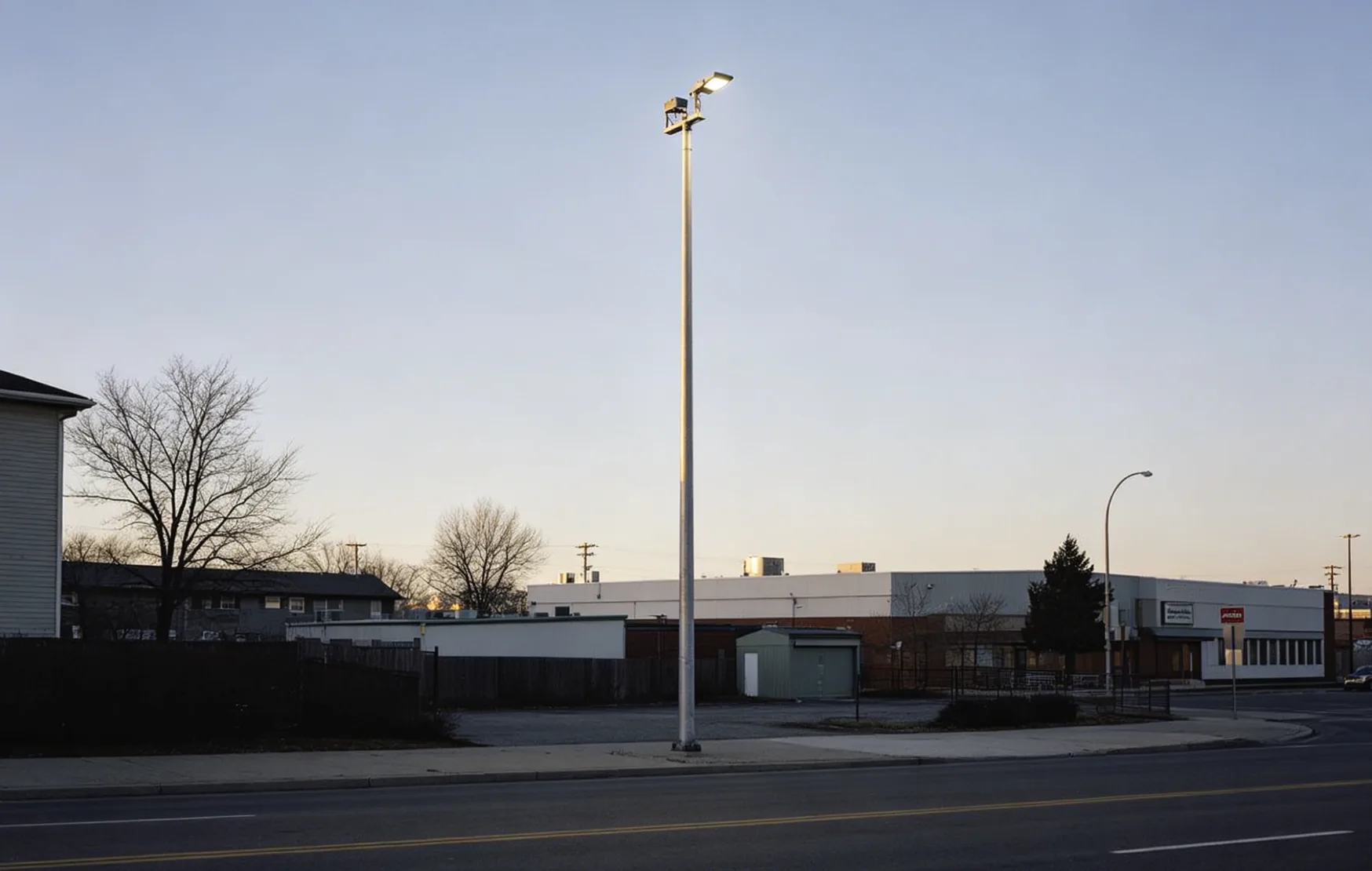
Relying on a single manufacturing region for outdoor lighting structures exposes projects to severe geographic and political risks. Forward-thinking urban developers actively diversify their procurement networks to balance cost, quality, and reliability. By distributing orders across multiple global hubs, buyers minimize the impact of localized factory shutdowns or geopolitical tensions. Sourcing high-quality tapered roadway lighting poles from reliable international manufacturers with transparent supply chains ensures consistent quality control. Implementing a multi-sourcing strategy allows contractors to leverage competitive pricing while maintaining a safety net against unforeseen supply disruptions. This structured approach establishes a resilient framework for sustained urban development.
Table 2: Global Supply Chain Disruption Impact Matrix
| Disruption Type | Primary Consequence | Recommended Mitigation Strategy |
|---|---|---|
| Zinc Supply Constraints | Increased galvanizing costs | Forecast and lock in prices early |
| Port Congestion | Extended delivery lead times | Utilize regional distribution centers |
| Tariff Implementations | Sudden price hikes on imports | Diversify country-of-origin sourcing |
| Freight Rate Spikes | High transportation overhead | Optimize pole design for container packing |
Navigating Quality Standards Amidst Supply Chain Pressure
Economic pressures frequently tempt manufacturers to compromise on material grades, making rigorous quality assurance vital.
Maintaining Manufacturing Specifications
Quality cannot be sacrificed when constructing public lighting infrastructure, as structural failures pose severe public safety risks. Authoritative manufacturing requires strict adherence to international standards for wind load resistance, tensile strength, and structural integrity. Even when raw material costs peak, reputable suppliers maintain the prescribed thickness and yield strength of their Steel Light Poles. Urban planners should mandate comprehensive metallurgical test reports and third-party safety certifications for all incoming lighting columns. Scrutinizing the technical specifications ensures that budget-conscious purchasing does not result in substandard public safety hardware. Consistency in engineering standards clearly separates industry-leading suppliers from unreliable market entrants.
The Economics of Advanced Surface Treatments
Optimal surface treatments define the lifecycle value and maintenance schedule of any outdoor lighting installation. While standard industrial paint offers basic aesthetics, proper Galvanizing for Steel Light Poles provides superior cathodic protection against harsh environmental elements. Although the initial cost of hot-dip galvanizing fluctuates with global zinc markets, the long-term maintenance savings are undeniable. Municipalities save thousands of dollars per unit over decades by avoiding premature rust and structural replacement. For regions prioritizing aesthetic longevity, selecting specialized Steel Light Poles with advanced powder coating applied over galvanized bases ensures both durability and visual appeal. Calculating the total cost of ownership rather than mere purchase price validates this crucial investment.
The Impact of Regional Manufacturing vs. Global Sourcing
Balancing localized production with international procurement defines the modern supply chain strategy for city planners.
Domestic Production Advantages
Sourcing public lighting infrastructure domestically offers distinct logistical advantages and minimizes complex geopolitical risks. Localized manufacturing drastically reduces freight transit times, allowing for rapid deployment in urgent municipal upgrades or disaster recovery scenarios. Furthermore, domestic suppliers inherently align with national safety standards and regional wind-load requirements, simplifying the compliance process. However, producing Steel Light Poles in regions with high labor and operational costs often results in a higher baseline unit price. Urban planners must carefully weigh the premium paid for rapid, local delivery against the overall budgetary constraints of their infrastructure programs.
Offshore Procurement Benefits
Global sourcing remains a highly attractive option for large-scale infrastructure developments requiring strict cost controls. International manufacturers frequently benefit from economies of scale, integrated supply chains, and lower labor overhead, allowing them to offer highly competitive pricing. When managing a project with a flexible timeline, importing bulk orders of street lighting poles yields substantial budget savings. To mitigate the inherent risks of extended shipping routes, buyers should partner with reputable offshore facilities offering transparent order tracking. Combining offshore manufacturing with localized warehousing creates a hybrid procurement model that maximizes both cost-efficiency and supply reliability.
The Rise of Smart Infrastructure and Future Sourcing
Modern urban planning demands intelligent lighting structures that support significantly more than basic illumination.
Integrating Intelligent City Technologies
The transition from traditional illumination to connected urban ecosystems is revolutionizing pole manufacturing and supply chains. Modern Smart poles actively integrate surveillance cameras, environmental sensors, Wi-Fi routers, and EV charging stations into the core steel structure. This evolution requires manufacturers to redesign traditional shafts to accommodate internal wiring, heat dissipation, and modular hardware mounting. Consequently, the supply chain for these advanced structures now intersects heavily with the electronics and semiconductor industries. Delays in electronic component availability can stall the deployment of intelligent street lighting systems. Buyers must synchronize their structural steel procurement with their technology hardware schedules to prevent misaligned project timelines.
Sustainable Manufacturing and Procurement Checklists
Environmental sustainability increasingly influences municipal procurement criteria for heavy civic infrastructure. Modern supply chains prioritize manufacturers utilizing recycled steel and energy-efficient galvanizing facilities to lower environmental impact. According to World Bank transmission infrastructure data, structured and transparent cost analyses guide better economic investments in power and lighting systems. Sustainable production practices not only reduce carbon footprints but often align seamlessly with governmental green-energy grants. To assist buyers in navigating these complexities, utilizing a structured evaluation framework ensures all project parameters are met efficiently.
Table 3: Procurement Strategy Checklist for 2026
| Evaluation Criteria | Actionable Buyer Step | Verification Method |
|---|---|---|
| Material Grade | Confirm steel yield strength requirements | Request authorized mill test certificates |
| Coating Quality | Specify hot-dip galvanizing standards | Inspect zinc coating thickness reports |
| Supplier Reliability | Assess global delivery capabilities | Review historical on-time delivery rates |
| Design Flexibility | Ensure compatibility with smart city tech | Evaluate modular hardware mounting options |
| Cost Transparency | Demand itemized breakdown of freight | Analyze raw material vs. shipping ratios |
Future Outlook: Stabilizing the Steel Lighting Infrastructure Supply
The long-term pricing trajectory for urban illumination structures depends on enhanced supply chain transparency and data-driven purchasing. Artificial intelligence and predictive modeling grant contractors unprecedented foresight into commodity pricing trends. By analyzing historical data on crude steel and zinc, procurement teams execute purchases during optimal market dips. Furthermore, engaging in multi-year contracts with proven suppliers absorbs minor supply chain shocks and prioritizes consistent delivery schedules. Ultimately, understanding how global economics impact Steel Light Poles allows decision-makers to build safer, more resilient, and economically sound cities for the future.
Frequently Asked Questions (FAQ)
What factors most influence the price of metal lighting structures?
The primary cost drivers include the global commodity price of crude steel, transportation freight rates, and the cost of zinc used in anti-corrosion coatings. Changes in international trade tariffs and regional port congestions also significantly dictate the final landed cost for buyers.
Why is galvanizing essential for municipal streetlamp posts?
Galvanizing provides a robust metallurgical bond that protects the underlying metal from rust, moisture, and environmental degradation. This treatment drastically extends the structural lifespan of the equipment, preventing premature failures and reducing long-term maintenance costs for city infrastructure departments.
How do supply chain delays affect outdoor illumination projects?
Logistics bottlenecks extend delivery lead times, causing contractors to miss critical installation deadlines. These delays often result in financial penalties, prolonged road closures, and inflated storage costs. Securing materials from diversified suppliers helps mitigate these unforeseen scheduling disruptions.
Are smart city poles more expensive to manufacture?
Yes, intelligent illumination structures require specialized engineering to house sensors, antennas, and internal wiring safely. While the initial structural cost is higher due to these complex fabrications, the integrated design eliminates the need to build separate external mounts for municipal technology.
How can buyers minimize the impact of rising raw material costs?
Procurement teams should utilize predictive analytics to lock in material rates during low-demand periods. Additionally, establishing long-term contracts with reliable manufacturers and optimizing product designs for efficient shipping container packing will effectively reduce overall acquisition expenses.