
When a steel light pole develops rust, it compromises structural integrity, aesthetic appeal, and safety in outdoor lighting installations. This comprehensive guide covers rust identification, prevention methods, treatment procedures, and maintenance best practices for steel lighting poles in various environmental conditions. Understanding how to address corrosion issues promptly can extend the service life of your lighting infrastructure significantly while reducing long-term replacement costs.
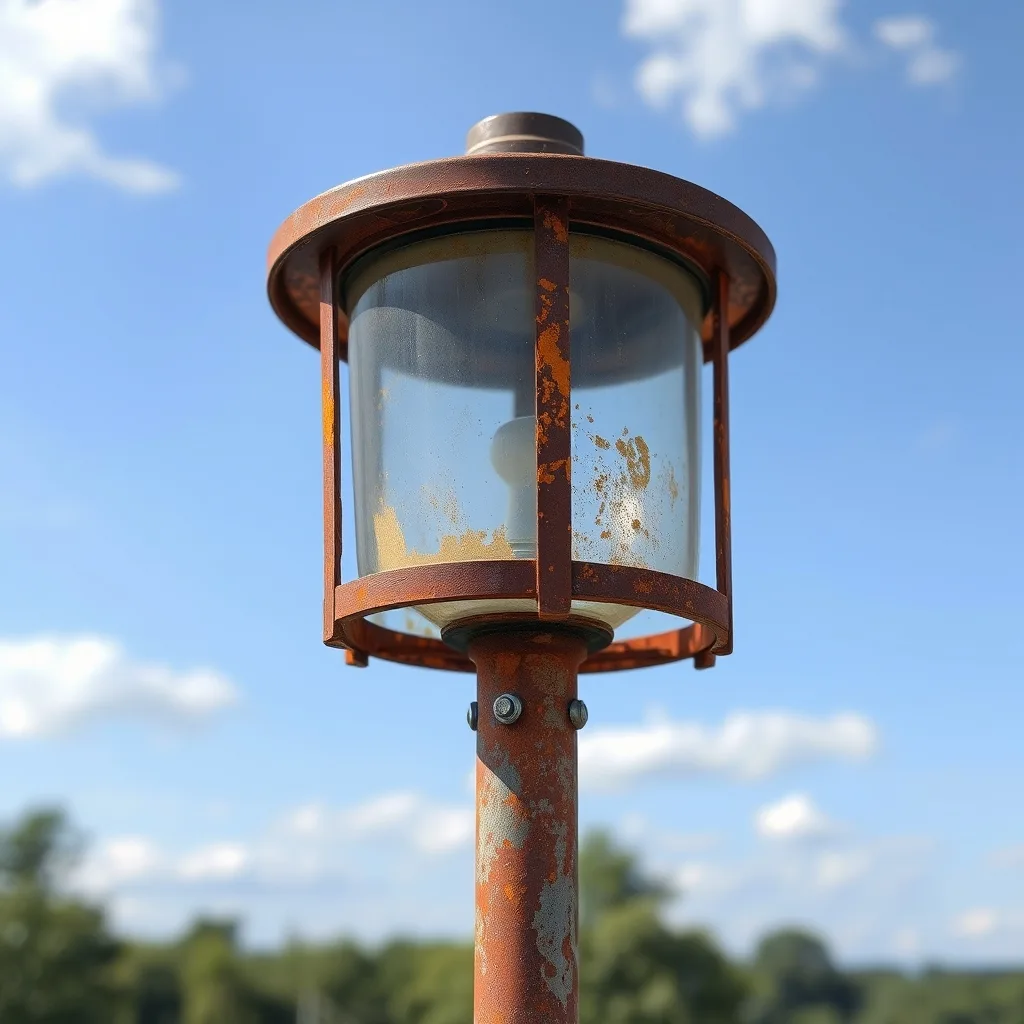
Understanding Steel Light Pole Corrosion
Steel light pole corrosion is an electrochemical process where iron in steel reacts with oxygen and moisture to form iron oxide, commonly known as rust. This degradation occurs more rapidly in coastal regions with high salt content in the air, industrial areas with acidic pollutants, and locations experiencing frequent rainfall or high humidity levels. According to the International Organization for Standardization (ISO), atmospheric corrosion accounts for the majority of metal infrastructure deterioration worldwide, making proactive protection essential for outdoor lighting installations. The Morelux product range includes corrosion-resistant stainless steel light poles designed specifically for challenging environments.
Common Causes of Rust on Steel Light Poles
Multiple factors contribute to rust formation on steel lighting poles. Environmental conditions represent the primary cause, with salt spray from coastal areas accelerating corrosion rates by up to ten times compared to inland locations. Temperature fluctuations cause condensation to form on metal surfaces, creating ideal conditions for oxidation. Mechanical damage from vehicle impacts, landscaping equipment, or installation scratches can remove protective coatings and expose bare steel to elements.
Chemical exposure from road salt, fertilizers, and industrial emissions creates localized corrosion cells. Poor drainage around pole bases allows water to pool and remain in contact with the metal foundation. The powder coating versus galvanizing comparison provides detailed analysis of how different protective treatments resist these various degradation mechanisms. For specialized applications requiring artistic European craftsmanship, explore our signature decorative lighting pole collection.
How to Identify Rust Damage
Visual inspection forms the foundation of rust damage assessment. Surface rust appears as orange-brown discoloration with a rough, flaky texture. Early-stage corrosion shows as small spots or patches, typically starting at joints, welds, and areas where moisture accumulates. As corrosion progresses, the surface becomes rough and may develop pitting, which weakens the metal structure beneath the surface layer.
Advanced rust damage presents with visible material loss, structural deformation, or cracks emanating from corroded areas. Check these key locations during inspection:
- Base plate and anchor bolt connections
- Weld seams and joint areas
- Internal surfaces near moisture entry points
- Attachment points for light fixtures and hardware
- Decorative elements and ornamental features
For decorative lighting poles like those shown in expressive classical designs, pay special attention to intricate details where rust can hide beneath ornamental shapes.

Professional Treatment Methods for Rusted Steel Poles
Treatment approach depends on corrosion severity. For surface rust on otherwise sound steel, mechanical cleaning combined with protective coating application restores pole appearance and corrosion resistance. For structural poles, consult engineering standards from the NIST infrastructure protection guidelines for infrastructure protection protocols when evaluating repair versus replacement decisions.
Follow this step-by-step treatment process for moderate corrosion:
- Remove loose rust and debris using wire brushing or sandblasting
- Clean the surface with solvent to eliminate oils and contaminants
- Apply chemical rust converter to transform remaining rust into stable compound
- Sand smooth and ensure complete dryness
- Apply primer specifically formulated for weathered steel
- Finish with high-quality industrial enamel or powder coating
Preventive Measures for Steel Light Poles
Prevention remains more cost-effective than treatment. Protective coating systems provide the primary defense against corrosion. Hot-dip galvanizing coats steel with zinc, which sacrifices itself to protect the underlying steel through cathodic protection. This method, standardized under ISO 1461, provides 50+ years of protection in most environments. Understanding these standards helps municipalities plan effective infrastructure maintenance strategies.
Powder coating applied over properly prepared galvanized or bare steel surfaces creates an additional barrier layer. The comparison of powder coating versus galvanizing helps facility managers select appropriate protection for specific applications. For premium applications requiring maximum corrosion resistance, consider the waterproof outdoor street light pole options with integrated sealing systems.
Material selection significantly impacts long-term performance. 304 and 316 stainless steel offer excellent corrosion resistance, with 316 grade specifically designed for marine and chloride-exposed environments. The premium stainless steel light poles from Morelux utilize these superior alloys for demanding applications.
Maintenance Schedule and Best Practices
Regular maintenance extends service life and prevents costly failures. Establish a routine inspection schedule based on environmental conditions. Coastal and industrial locations require semi-annual inspections, while inland areas may only need annual assessments. Document all findings with photographs for trend analysis and budget planning. Following Google’s technical SEO guidelines can help ensure your maintenance documentation is properly indexed and accessible.
Essential maintenance tasks include cleaning accumulated debris from pole bases, checking and tightening hardware connections, verifying grounding system integrity, and touching up any coating damage immediately. Remove vegetation that traps moisture against the pole surface and maintain proper drainage away from foundation areas. For extensive decorative pole installations, browse the decorative pole collection for maintenance-friendly designs.
When to Repair vs. Replace
Making the repair versus replace decision requires careful evaluation of several factors. Repair is appropriate when corrosion is superficial, structural integrity remains intact, and the pole has significant remaining service life. Replacement becomes necessary when section loss exceeds 20%, pitting depth compromises structural capacity, or multiple localized repairs would cost more than new installation.
Consider pole age, installation quality, access difficulty, and budget constraints when making this decision. New installations with modern protective systems offer better long-term value when dealing with severely corroded infrastructure. The full steel light pole product range provides options suitable for various replacement scenarios.
Cost Considerations and Budget Planning
Steel light pole rust treatment costs vary widely based on severity, accessibility, and chosen method. Surface cleaning and repainting typically costs $200-500 per pole for professional service. Galvanizing restoration runs $400-800, while complete replacement ranges from $1,500-5,000 depending on height and design complexity.
Budget planning should account for inspection costs, immediate repairs, scheduled maintenance, and eventual replacement. The Web Content Accessibility Guidelines (WCAG) from W3C ensure that maintenance activities do not create accessibility barriers in public spaces. Allocate funds for documented maintenance programs, as they typically reduce total cost of ownership by 40-60% over the asset lifecycle.
Environmental Factors and Regional Considerations
Climate and geography significantly influence corrosion rates and treatment strategies. Coastal regions within five kilometers of saltwater require premium protection systems due to constant chloride exposure. High-humidity tropical climates accelerate all forms of atmospheric corrosion. Industrial zones with sulfur dioxide emissions create acidic conditions that attack protective coatings.
Cold climates introduce freeze-thaw damage where water penetrates cracks and expands upon freezing, physically displacing coatings and concrete foundations. Urban environments face challenges from de-icing salts, vehicle emissions, and accumulated grime. Select protective systems matched to your specific regional conditions for optimal performance.
Safety Considerations During Treatment
Safety should be the top priority during all rust treatment activities. Mechanical cleaning methods generate hazardous dust requiring appropriate respiratory protection. Chemical rust converters contain phosphoric or tannic acids requiring careful handling and proper ventilation. Work at height requires fall protection equipment and qualified personnel.
Dispose of cleaning residues, rust particles, and old coating materials according to local environmental regulations. Many jurisdictions classify lead-containing paint as hazardous waste requiring special handling. Professional contractors carry appropriate insurance and follow Occupational Safety and Health Administration guidelines for industrial maintenance operations.
Conclusion
Addressing rust on steel light poles requires systematic understanding of corrosion mechanisms, prompt identification of damage, appropriate treatment methods, and proactive maintenance practices. Whether managing municipal street lighting, commercial parking facilities, or decorative landscape installations, implementing a comprehensive corrosion management program protects your investment and ensures reliable outdoor illumination. Start with thorough inspection, select appropriate protective systems, and maintain regular maintenance schedules to maximize service life and minimize total cost of ownership.
Frequently Asked Questions
How long does it take for a steel light pole to rust?
Steel light poles can begin showing surface rust within 2-5 years without proper protection, but galvanizing extends this to 15-25 years, while stainless steel may last 50+ years before significant corrosion appears in normal environments.
Can you paint over rusted steel light poles?
Yes, but only after proper surface preparation including complete removal of loose rust, cleaning, and applying a rust-inhibiting primer. Painting over unprepared rust will result in rapid coating failure.
What is the best coating for steel light poles?
Hot-dip galvanizing combined with powder coating offers the best overall protection, providing both cathodic protection from zinc and a durable top coat barrier. The choice depends on specific environmental conditions and aesthetic requirements.
How often should steel light poles be inspected?
Inspect steel light poles annually in mild environments, semi-annually in coastal or industrial areas, and after severe weather events that may cause physical damage or coating abrasion.
When should a rusted light pole be replaced rather than repaired?
Replace light poles when structural sections have lost more than 20% of original thickness, when pitting corrosion compromises strength, or when repair costs exceed 60% of replacement cost.