
Corrosion is the single greatest threat to the longevity of urban lighting infrastructure. Solving rusting issues in Steel Light Poles requires a multi-layered approach involving advanced metallurgy, protective coatings, and proactive maintenance strategies to safeguard public investments.
The Electrochemical Basis of Steel Corrosion
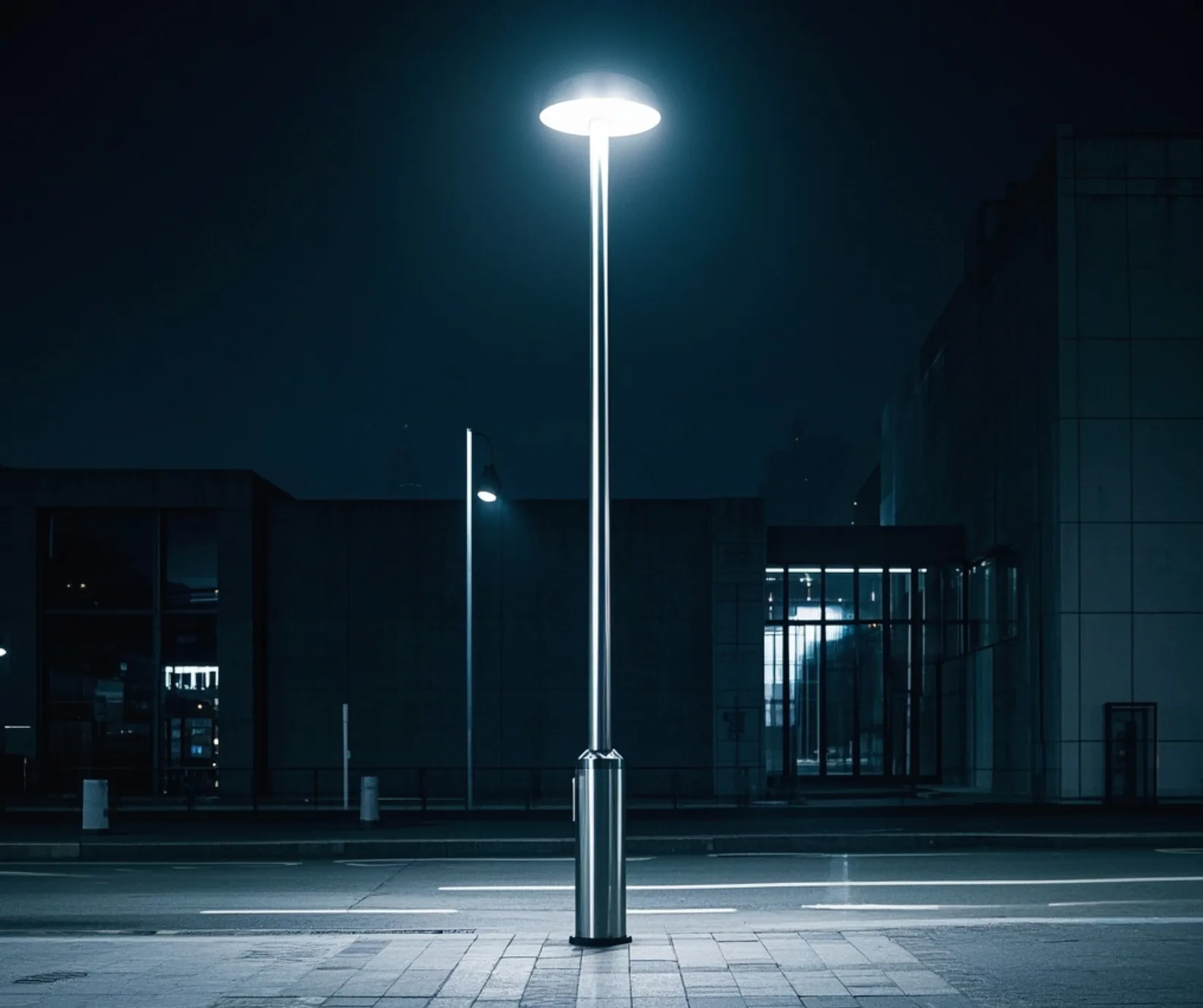
Rust occurs when iron in the steel reacts with oxygen and moisture to form iron oxide. In coastal or industrial environments, salt spray and chemical pollutants accelerate this electrochemical process. While a stainless steel light pole contains chromium to form a protective oxide layer, standard carbon steel poles require external barriers. Understanding this reaction is vital for maintaining Roadway lighting poles that face constant environmental exposure.
Hot-Dip Galvanization: The Gold Standard
The most effective defense against rust for Steel Light Poles is Hot-Dip Galvanization (HDG). This process involves submerging the steel in molten zinc, creating a metallurgical bond that provides both barrier and sacrificial protection. Even if the surface is scratched, the surrounding zinc will corrode preferentially to protect the underlying steel. A properly galvanized stainless steel light pole alternative, such as high-grade 316L, offers even higher resistance in extreme marine conditions.
Duplex Coating Systems for Extreme Protection
A duplex system combines galvanization with a specialized powder coating or liquid paint. This “synergistic effect” provides a corrosion resistance that is 1.5 to 2.5 times longer than the sum of the individual parts. For Decorative Poles, duplex coatings also allow for aesthetic customization without sacrificing structural integrity. Industry data from NACE International suggests that duplex-coated Steel Light Poles can exceed 50 years of maintenance-free service.
Managing Internal Corrosion in Hollow Shafts
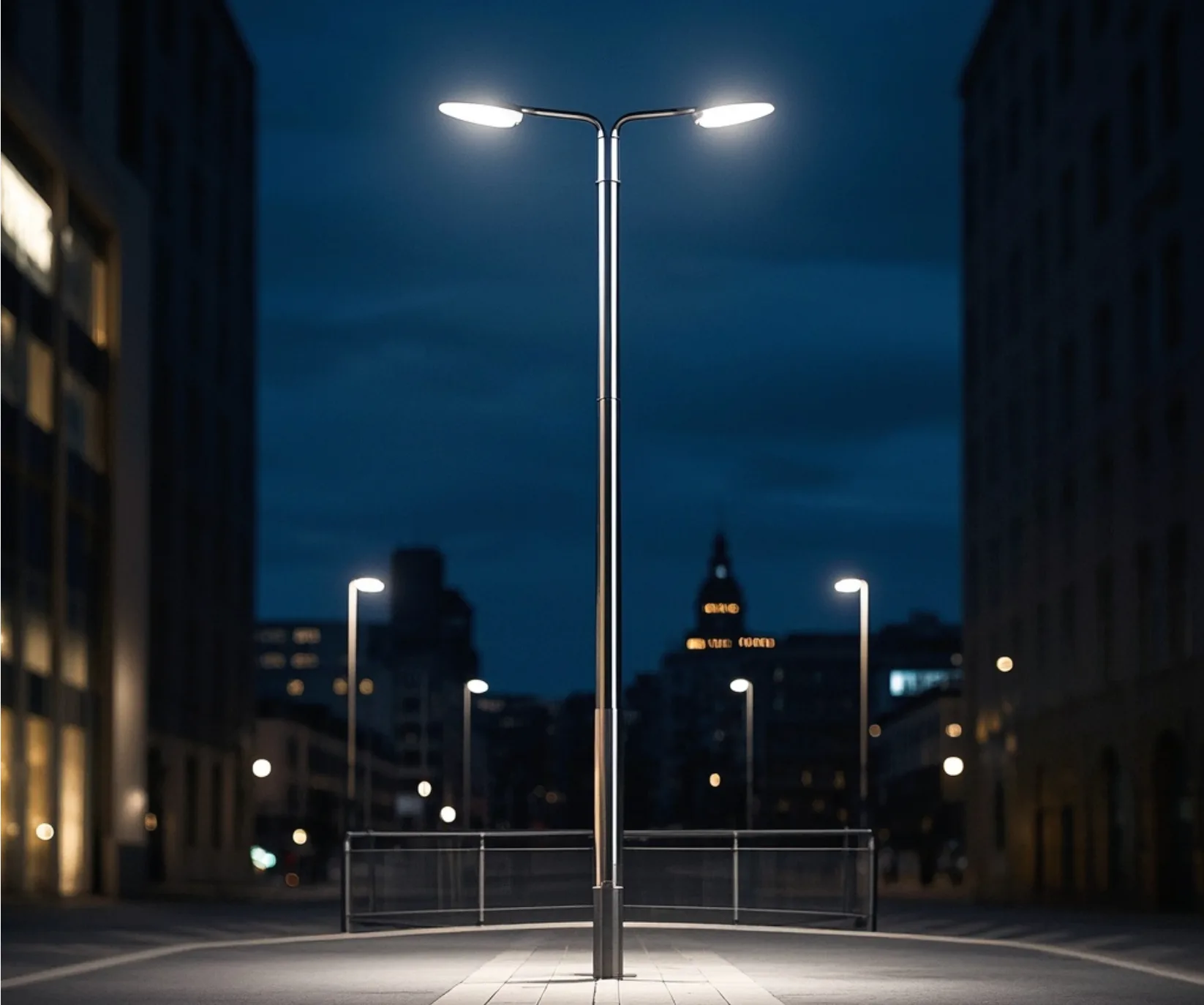
Rust often starts from the inside of the pole where condensation collects and cannot evaporate. To prevent this “hidden” corrosion, manufacturers must ensure that the galvanizing reaches the interior surfaces. Proper drainage via a weep hole at the base is essential to prevent water pooling. When specifying a stainless steel light pole, internal oxidation is less of a concern, but ensuring high-quality Manufacturing Processes remains critical for overall durability.
Comparison of Corrosion Protection Methods
| Protection Method | Expected Life (C3 Environment) | Relative Cost | Best Use Case |
|---|---|---|---|
| Powder Coating Only | 5-10 Years | Low | Indoor or arid climates |
| Hot-Dip Galvanization | 30-50 Years | Medium | Standard municipal roads |
| Duplex System | 50-75 Years | High | Coastal and high-humidity areas |
| 316 Stainless Steel | 100+ Years | Very High | Premium architectural projects |
Base Plate and Anchor Bolt Maintenance
The “splash zone” near the ground is the most vulnerable area for Steel Light Poles due to de-icing salts and pet urine. Accumulation of debris around the base plate traps moisture, leading to rapid pitting. Regular cleaning and the application of a zinc-rich cold galvanizing spray to the anchor bolts can prevent localized failure. High-end Garden Poles often utilize base covers to deflect moisture away from these critical connection points.
Advanced Alloys and the Stainless Steel Alternative
For projects where maintenance access is limited or the environment is exceptionally harsh, a stainless steel light pole is the superior choice. Unlike carbon steel, which relies on a coating, stainless steel is corrosion-resistant throughout its entire cross-section. According to a 2024 report by the International Stainless Steel Forum, the life-cycle cost of stainless steel in coastal infrastructure is lower than carbon steel due to the elimination of repainting requirements.
Standard Operating Procedures for Corrosion Control
- Annual Washdowns: Remove salt and pollutant buildup from the pole surface using fresh water.
- Coating Inspection: Check for “white rust” (zinc oxidation) or paint blistering every 24 months.
- Grounding Checks: Ensure proper electrical grounding to prevent stray current corrosion.
- Soil Analysis: Test soil pH before installation to determine if additional bitumen coating is needed for the direct-buried portion of Steel Light Poles.
FAQ
What is the difference between “white rust” and “red rust”?
White rust is the oxidation of the protective zinc layer on galvanized steel, usually appearing as a chalky substance. It is generally superficial and can be cleaned. Red rust indicates that the zinc layer has been breached and the underlying iron in the Steel Light Poles is actively corroding, requiring immediate repair.
How often should I repaint my steel street light poles?
If the poles are only powder-coated, they may need attention every 7-10 years. If they are galvanized and then painted (duplex system), the finish can last 20+ years. If you use a stainless steel light pole, repainting is never required for corrosion protection, only for aesthetic updates.
Can salt air destroy a galvanized steel pole?
Yes, in coastal areas within 5 miles of the ocean, salt spray can significantly accelerate the consumption of the zinc layer. For these locations, a duplex coating or a high-grade stainless steel light pole is recommended to ensure the structure lasts its intended 30-year lifespan.
Is it safe to use de-icing salts around the base of light poles?
De-icing salts are highly corrosive to steel and zinc. It is best to avoid direct contact. If salts must be used, ensure the Steel Light Poles have a protective base cover or a secondary epoxy coating at the ground line to prevent the salt from sitting against the metal.
How do I fix a small rusted area on an existing pole?
Remove the loose rust with a wire brush or sandpaper until you see shiny metal. Apply a “cold galvanizing” compound that contains at least 90% zinc dust. This provides a sacrificial layer that mimics the protection of the original hot-dip galvanizing for your Steel Light Poles.