
Selecting the right infrastructure is a critical decision for developers aiming to balance long-term durability with aesthetic appeal. This guide explores why Steel Street Light Poles are the primary choice for modern residential projects, offering a technical analysis of their structural benefits and maintenance requirements.
Structural Integrity of Steel Street Light Poles in Urban Planning
Steel is widely recognized in the construction industry for its high strength-to-weight ratio, making it an ideal material for supporting heavy lighting fixtures and smart city sensors. For residential developments, Steel Street Light Poles provide the necessary wind resistance and load-bearing capacity to ensure public safety in diverse climates. Unlike alternative materials, steel offers predictable mechanical properties that simplify engineering calculations for large-scale installations. Developers often prefer Steel Light Poles for their ability to withstand impact and environmental stressors without compromising the integrity of the lighting system.
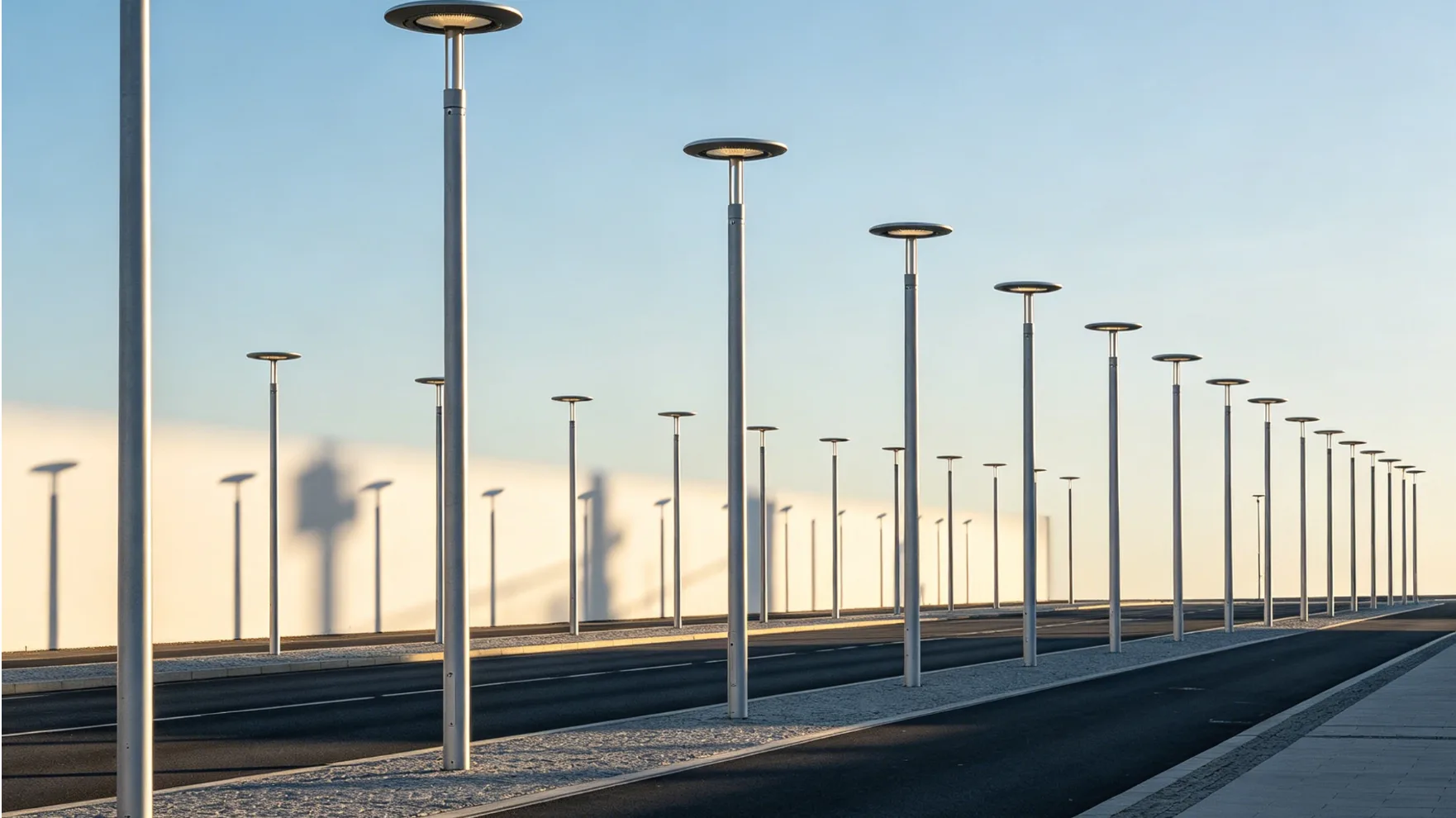
Comparison of Material Performance for Residential Infrastructure
The choice between different metals often depends on the specific environmental challenges of the project site, such as humidity or salt spray. While standard carbon steel is robust, many coastal residential areas now require Corrosion-Resistant Stainless Steel Light Poles to prevent oxidation and structural weakening over time. Stainless steel alloys, particularly 304 and 316 grades, offer superior longevity in high-moisture environments compared to traditional galvanized options.
| Feature | Carbon Steel (Galvanized) | Stainless Steel | Aluminum |
|---|---|---|---|
| Tensile Strength | High | Very High | Moderate |
| Corrosion Resistance | Moderate (Coating dependent) | Excellent | High |
| Expected Lifespan | 20–30 Years | 50+ Years | 25–40 Years |
| Maintenance Need | Periodic Inspection | Minimal | Low |
Enhancing Longevity with Corrosion-Resistant Stainless Steel Light Poles
Corrosion is the primary cause of structural failure in outdoor lighting infrastructure, leading to increased liability and replacement costs for homeowners’ associations. Utilizing Corrosion-Resistant Stainless Steel Light Poles eliminates the need for frequent repainting or chemical treatments, as the chromium content in the steel forms a self-healing protective layer. This material is particularly effective in neighborhood “green zones” where irrigation systems might otherwise cause premature rusting on standard Decorative Poles. According to the International Stainless Steel Forum (ISSF), stainless steel provides one of the lowest life-cycle costs for urban furniture due to its recyclability and durability.
Aesthetic Versatility in Modern Residential Landscape Design
Modern residential developments often require a specific visual language to maintain property values and community branding. Steel Street Light Poles can be manufactured in various profiles, including tapered, square, or round, and finished with architectural powder coatings that match the local decor. High-quality Steel Poles can be customized with decorative bases and arm brackets to blend seamlessly into traditional or contemporary architectural styles. This versatility allows planners to use Corrosion-Resistant Stainless Steel Light Poles in high-visibility areas like clubhouses and entrances while maintaining a unified look across the entire development.
Technical Specifications and Load-Bearing Standards
Engineering standards for residential lighting must adhere to local building codes regarding wind speed and mounting heights. Steel Street Light Poles are typically designed to meet or exceed AASHTO (American Association of State Highway and Transportation Officials) standards for structural supports. These regulations ensure that the poles can handle the “Effective Projected Area” (EPA) of modern LED luminaires and any additional attachments like security cameras. Implementing Corrosion-Resistant Stainless Steel Light Poles ensures that these structural calculations remain valid for decades, as the cross-sectional area of the pole does not diminish through rust.
Installation Efficiency for Large-Scale Housing Projects
The installation process for Steel Street Light Poles is streamlined by standardized base plate configurations and anchor bolt patterns. Most Roadway Lighting Poles are designed for easy integration with underground electrical conduits, reducing the time required for on-site electrical work. When choosing Corrosion-Resistant Stainless Steel Light Poles, developers can also benefit from lighter-weight designs that require smaller cranes or lifting equipment compared to concrete alternatives. This efficiency directly translates to lower labor costs and faster project completion timelines for the developer.
Safety and Impact Performance in Pedestrian Zones
Safety is a paramount concern in residential areas where pedestrians, cyclists, and vehicles interact closely. Steel Street Light Poles can be engineered with breakaway bases or energy-absorbing designs to minimize injury during vehicle collisions. While the primary goal of Corrosion-Resistant Stainless Steel Light Poles is durability, their inherent material toughness also contributes to the overall resilience of the neighborhood infrastructure. The Federal Highway Administration (FHWA) provides extensive documentation on the safety performance of various support structures in residential and urban environments.
Maintenance Checklist for Residential Lighting Infrastructure
Proactive maintenance is essential to ensure that the lighting system remains functional and safe for residents. Even when using Corrosion-Resistant Stainless Steel Light Poles, a yearly inspection is recommended to check for loose bolts or damaged wiring access covers.
Standard Maintenance Selection Matrix:
- Visual Inspection: Check for surface blemishes or mechanical damage every 12 months.
- Hardware Tightening: Ensure all anchor nuts are torqued to manufacturer specifications.
- Cleaning: Use mild detergents on Smart Poles to remove salt or pollution buildup.
- Electrical Check: Verify the integrity of the grounding system and internal wiring.
Environmental Impact and Sustainability in Green Developments
Sustainability is becoming a core requirement for new residential permits, and steel is one of the most sustainable materials available. Steel Street Light Poles are 100% recyclable at the end of their service life, reducing the environmental footprint of the development. Choosing Corrosion-Resistant Stainless Steel Light Poles further enhances sustainability by extending the replacement cycle, thereby reducing the carbon emissions associated with manufacturing and transporting new poles. The Steel Recycling Institute notes that steel is the world’s most recycled material, consistently outperforming plastic and wood in circular economy metrics.
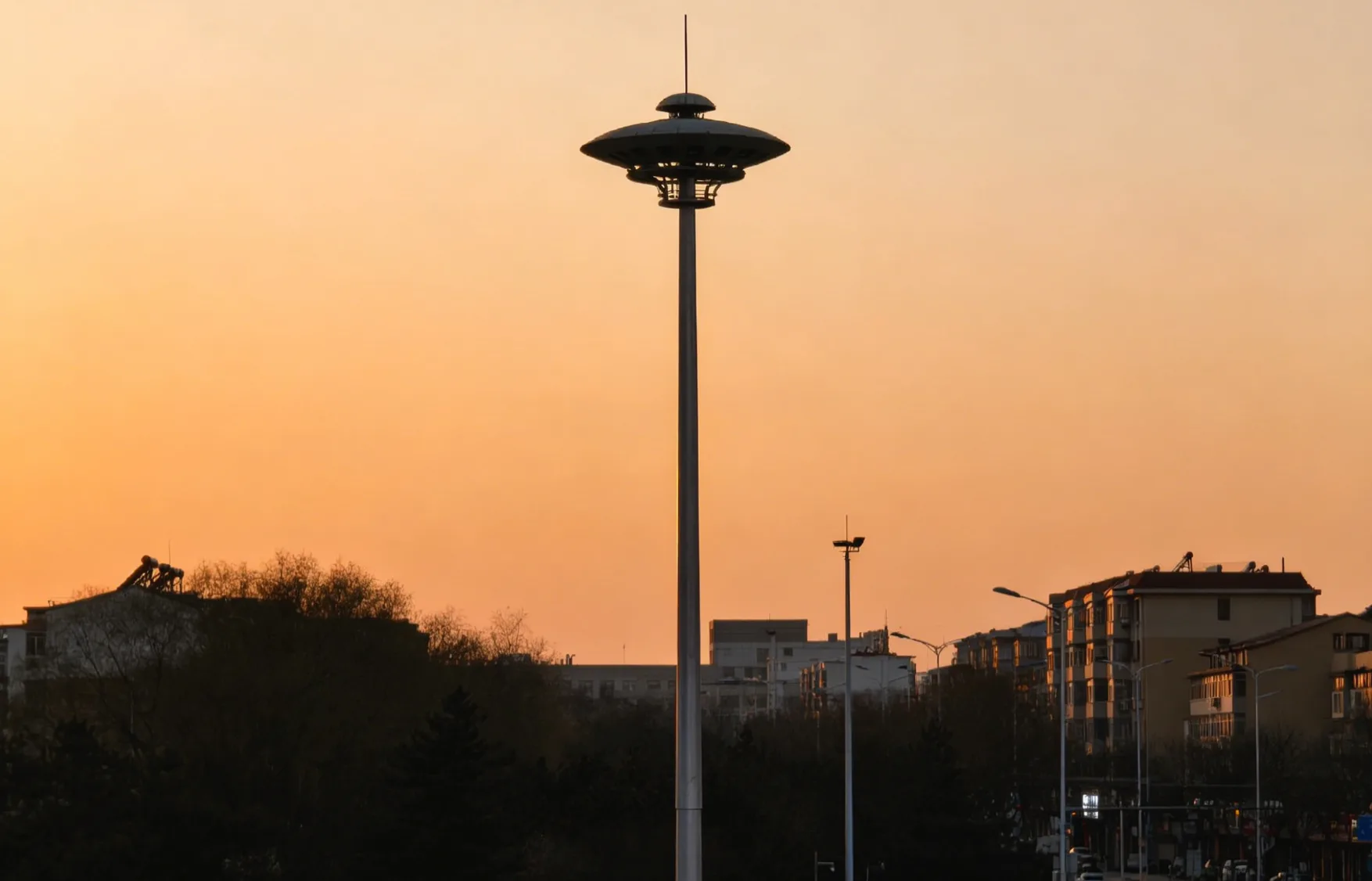
Cost-Benefit Analysis of Steel Infrastructure
While the initial purchase price of steel may be higher than some composite materials, the total cost of ownership is significantly lower. Steel Street Light Poles offer a balance of price and performance that is difficult to match in the long term. By investing in Corrosion-Resistant Stainless Steel Light Poles, developers avoid the hidden costs of rust remediation and structural failure. A 2025 industry report suggests that the average maintenance savings for stainless steel over 50 years can exceed 40% compared to coated carbon steel.
| Metric | Galvanized Steel | Stainless Steel | Fiberglass/Composite |
|---|---|---|---|
| Initial Cost | Moderate | High | Moderate |
| Installation Cost | Standard | Standard | Low |
| Maintenance Cost | Moderate | Very Low | Low |
| Replacement Frequency | 25 Years | 50+ Years | 15-20 Years |
| Salvage Value | High | Very High | Zero |
Conclusion: Securing the Future of Residential Communities
Investing in high-quality Steel Street Light Poles is a strategic move that protects the long-term viability of residential developments. By prioritizing Corrosion-Resistant Stainless Steel Light Poles, project managers ensure that the community remains well-lit, safe, and visually appealing for generations. Whether for a small cul-de-sac or a massive master-planned community, Flag Poles and lighting structures made of steel remain the industry gold standard.
Frequently Asked Questions (FAQ)
1. How long do steel street light poles typically last in residential areas?
Standard galvanized steel poles generally offer a service life of 20 to 30 years depending on local soil and air conditions. However, using stainless steel variants can extend this lifespan to over 50 years with minimal intervention, making them a superior long-term investment for neighborhoods.
2. Are steel poles safe for use in areas with high pedestrian traffic?
Yes, steel poles are engineered to meet strict safety standards, including wind load resistance and impact performance. Many modern designs incorporate breakaway features that help reduce the severity of accidents, ensuring a safer environment for both drivers and residents walking in the community.
3. What is the main benefit of stainless steel over traditional galvanized steel?
The primary advantage is exceptional corrosion resistance without the need for additional coatings or paint. Stainless steel contains chromium, which naturally prevents rust, making it the ideal choice for coastal regions or areas where aesthetic maintenance must be kept to an absolute minimum.
4. Can steel light poles support smart home or community technology?
Modern steel poles are designed with internal capacity for high-speed data cables and can easily support attachments such as Wi-Fi routers, security cameras, and environmental sensors. This “smart city” readiness makes them a future-proof choice for developers looking to add value to their projects.
5. How do environmental factors like salt air affect steel poles?
Salt air significantly accelerates the oxidation of standard metals, which can lead to structural pitting and rust streaks. In such environments, specifying corrosion-resistant alloys is essential to maintain the structural integrity and clean appearance of the lighting infrastructure over its intended lifecycle.