

Introduction
As 2026 infrastructure budgets take shape, the stainless steel light pole market is being influenced by stricter lifespan targets, smart city upgrades, and rising attention to maintenance economics. Buyers are no longer comparing poles only by upfront price; they are weighing corrosion resistance, structural capacity, compliance demands, and long-term service performance in more demanding urban and coastal environments. This article explains the main market shifts behind that change and shows what purchasers, specifiers, and project teams should evaluate before selecting products, suppliers, and configurations for upcoming public and commercial installations.
Why the 2026 Stainless Steel Light Pole Market Is Shifting
The global infrastructure landscape is undergoing a rigorous transformation as municipalities, civil engineers, and private developers prepare for the 2026 construction cycle. The light pole market is increasingly prioritizing total lifecycle cost over initial capital expenditure, driving a definitive shift toward stainless steel assets. With urban planners now frequently mandating infrastructure lifespans exceeding 40 to 50 years, the limitations of traditional materials—such as aluminum and carbon steel—are becoming apparent under the strain of modern environmental and technological demands. This transition represents a fundamental reevaluation of how vertical real estate is utilized in metropolitan environments.
Market drivers and urban modernization
Urban modernization initiatives are significantly accelerating the replacement of aging infrastructure. The primary catalyst for this shift is the ongoing deployment of smart city technologies and 5G cellular networks, which require robust vertical assets capable of supporting substantial auxiliary equipment. Modern light poles are no longer mere illumination supports; they function as critical structural hubs housing telecommunications nodes, environmental monitoring sensors, and advanced surveillance systems.
Consequently, structural integrity requirements have intensified. Adhering to updated standards such as AASHTO LTS-6, poles are now frequently engineered to support lateral equipment payloads exceeding 150 kilograms (330 lbs) while maintaining strict deflection limits under 140 mph wind loads. Stainless steel provides the optimal strength-to-weight ratio required to meet these rigorous specifications without necessitating overly bulky profiles that disrupt urban aesthetics.
Key stainless steel light pole trends
Current trends in the stainless steel light pole market highlight a strategic pivot toward modular, multi-functional architectures. Procurement strategies for 2026 heavily emphasize assets that integrate concealed electric vehicle (EV) charging ports, internal thermal management systems, and standardized IoT sensor brackets without compromising structural tolerances. The ability to customize access doors and internal raceways makes stainless steel an ideal candidate for these highly integrated designs.
Furthermore, there is a notable increase in the specification of advanced surface treatments. While standard brushed finishes remain prevalent, municipal buyers are increasingly specifying electropolished surfaces. This advanced electrochemical process reduces microscopic surface crevices, thereby lowering chloride retention rates by up to 30% in coastal or heavy-salting environments. This trend underscores a market-wide commitment to minimizing maintenance interventions and maximizing asset uptime.
Technical and Commercial Buying Factors
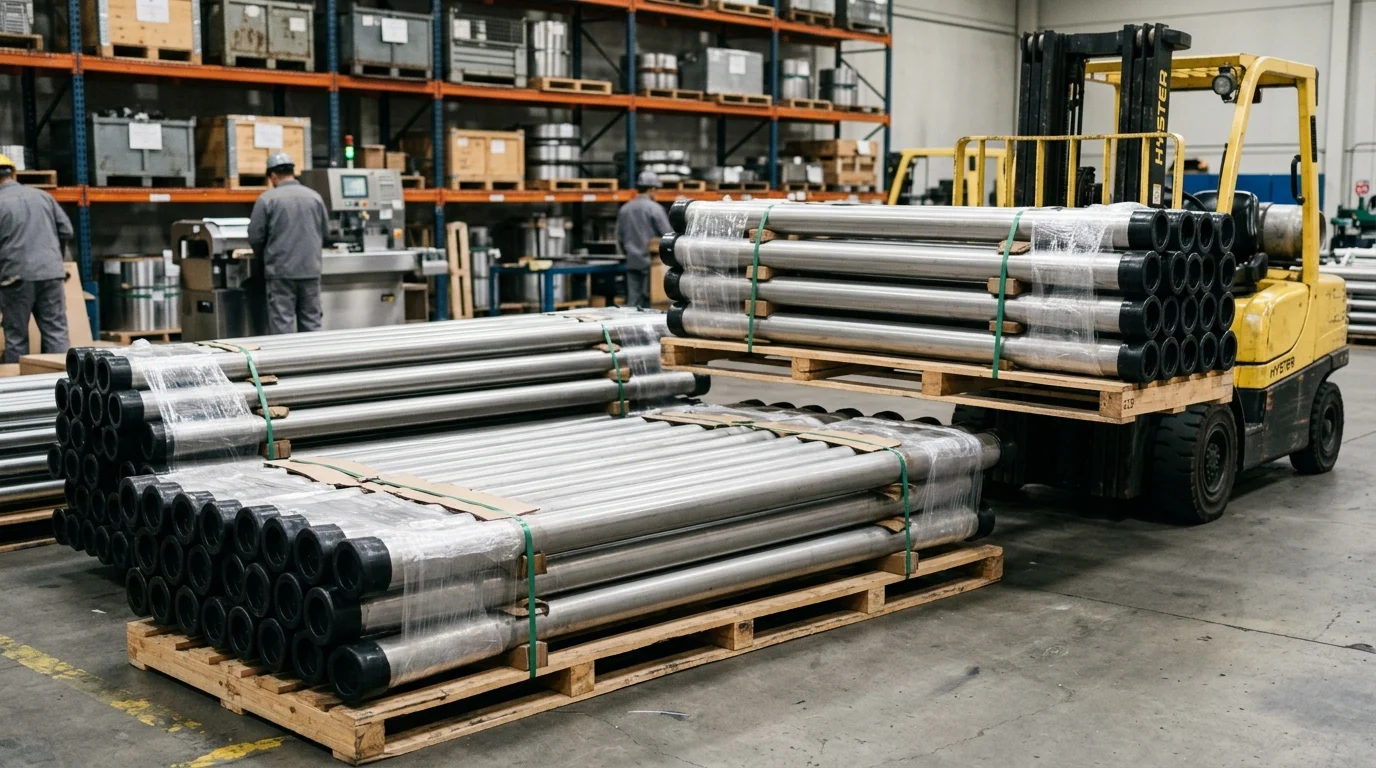
Navigating the light pole market requires a rigorous evaluation of both metallurgical properties and long-term financial implications. For procurement engineers and urban planners, specifying the correct physical parameters ensures that the infrastructure will meet the stringent safety, aesthetic, and operational thresholds mandated by 2026 urban planning codes. Balancing these technical specifications against budgetary constraints is critical for project viability.
Grade selection, wall thickness, and finish
Selecting the appropriate alloy grade is the foundational decision in pole procurement. Grade 304 stainless steel remains the industry standard for inland applications, offering excellent baseline corrosion resistance and structural stability. However, for installations within 5 miles of saltwater or in regions utilizing aggressive winter de-icing chemicals, Grade 316L is imperative. The addition of 2% to 3% molybdenum in Grade 316L specifically mitigates chloride-induced pitting and crevice corrosion.
Wall thickness directly correlates with load-bearing capacity and fatigue resistance. While an 11-gauge (0.1196 inches) wall thickness is generally sufficient for standard pedestrian and residential street lighting, heavy-duty applications supporting multi-arm fixtures, traffic signals, and dense telecom arrays frequently require 7-gauge (0.1793 inches) or thicker profiles to prevent harmonic vibration failure. Finishes also play a critical role; a No. 4 directional brush finish provides an optimal balance between aesthetic glare reduction and long-term surface cleanability.
Stainless steel vs galvanized steel
The commercial debate between stainless steel and galvanized steel centers on the friction between initial capital expenditure (CapEx) and the total cost of ownership (TCO). Galvanized steel offers a significantly lower entry price but relies entirely on a consumable zinc coating that degrades over time, particularly in high-salinity, high-humidity, or highly acidic environments. In contrast, stainless steel utilizes a self-repairing chromium oxide passive layer, effectively eliminating the need for cyclical repainting or recoating.
| Specification | Stainless Steel (Grade 316L) | Galvanized Carbon Steel |
|---|---|---|
| Initial Material Cost | $1,200 – $1,800 per unit | $600 – $900 per unit |
| Expected Lifespan | 50+ Years | 20 – 25 Years |
| Maintenance Frequency | Minimal (Periodic washing) | High (Recoating every 7-10 yrs) |
| Base Tensile Strength | ~515 MPa | ~400 MPa |
| Corrosion Resistance | Excellent (Inherent) | Moderate (Coating-dependent) |
Although the upfront premium for stainless steel can be 100% higher than galvanized alternatives, the elimination of a costly 10-year recoating cycle alters the financial equation. Over a 30-year operational horizon, the TCO for stainless steel is typically reduced by approximately 40% compared to galvanized equivalents, making it the superior commercial choice for permanent, low-maintenance infrastructure.
How Buyers Should Source and Evaluate Suppliers

Securing reliable supply chains for critical infrastructure projects demands a highly strategic approach to vendor vetting. As the light pole market faces fluctuating raw material costs, evolving geopolitical trade tariffs, and volatile global shipping dynamics, procurement teams must implement rigorous qualification frameworks. Proper sourcing methodologies are essential to ensure on-time project delivery, strict code compliance, and protection against premature structural failures.
Procurement steps to reduce risk
Effective risk reduction begins with demanding comprehensive metallurgical documentation. Buyers should require verifiable Mill Test Reports (MTRs) for every production batch to validate exact chemical compositions, confirming that chromium and nickel thresholds meet international ASTM or EN standards. Furthermore, structural integrity relies heavily on fabrication and welding quality. Buyers must verify that manufacturing facilities maintain active certifications from recognized bodies, such as AWS D1.1 for structural welding, and mandate third-party non-destructive testing (NDT) for critical seam welds.
Given the complexities of custom extrusion, laser cutting, and specialized finishing, baseline lead times for engineered stainless steel poles currently average 12 to 16 weeks.
Key Takeaways
- The most important conclusions and rationale for light pole market
- Specs, compliance, and risk checks worth validating before you commit
- Practical next steps and caveats readers can apply immediately
Frequently Asked Questions
Why are stainless steel light poles gaining market share in 2026?
Buyers are prioritizing lifecycle cost, smart-city compatibility, and longer service life. Stainless steel supports heavier devices, resists corrosion, and reduces repainting or recoating needs.
Which stainless steel grade is best for light poles?
Use 304 for most inland projects. Choose 316L for coastal areas or roads with heavy de-icing salts, where chloride resistance is critical.
How do I choose the right wall thickness for a light pole?
Match thickness to load, wind, and attachments. Standard pedestrian lighting may use 11-gauge, while traffic, multi-arm, or telecom-equipped poles often need 7-gauge or thicker.
Is stainless steel better than galvanized steel for public projects?
For harsh environments and long service life, yes. Galvanized steel costs less upfront, but stainless steel usually lowers maintenance and replacement costs over time.
Can Morelux customize stainless steel poles for smart city projects?
Yes. Morelux can tailor pole designs, access doors, brackets, finishes, and internal routing, backed by in-house cutting, welding, coating, and testing for large-scale urban projects.