
The strategic deployment of Steel Light Poles constitutes a critical infrastructural requirement for minimizing nighttime accident rates and ensuring overall highway safety. This authoritative guide analyzes why engineers consistently select Q345 steel light poles for modern roadways, detailing their mechanical strength, crash-resistance standards, and long-term economic benefits. Understanding these essential physical characteristics empowers project managers to make highly informed, data-driven procurement decisions that protect the public and maximize infrastructure investments.
The Mechanical Superiority of Highway Infrastructure
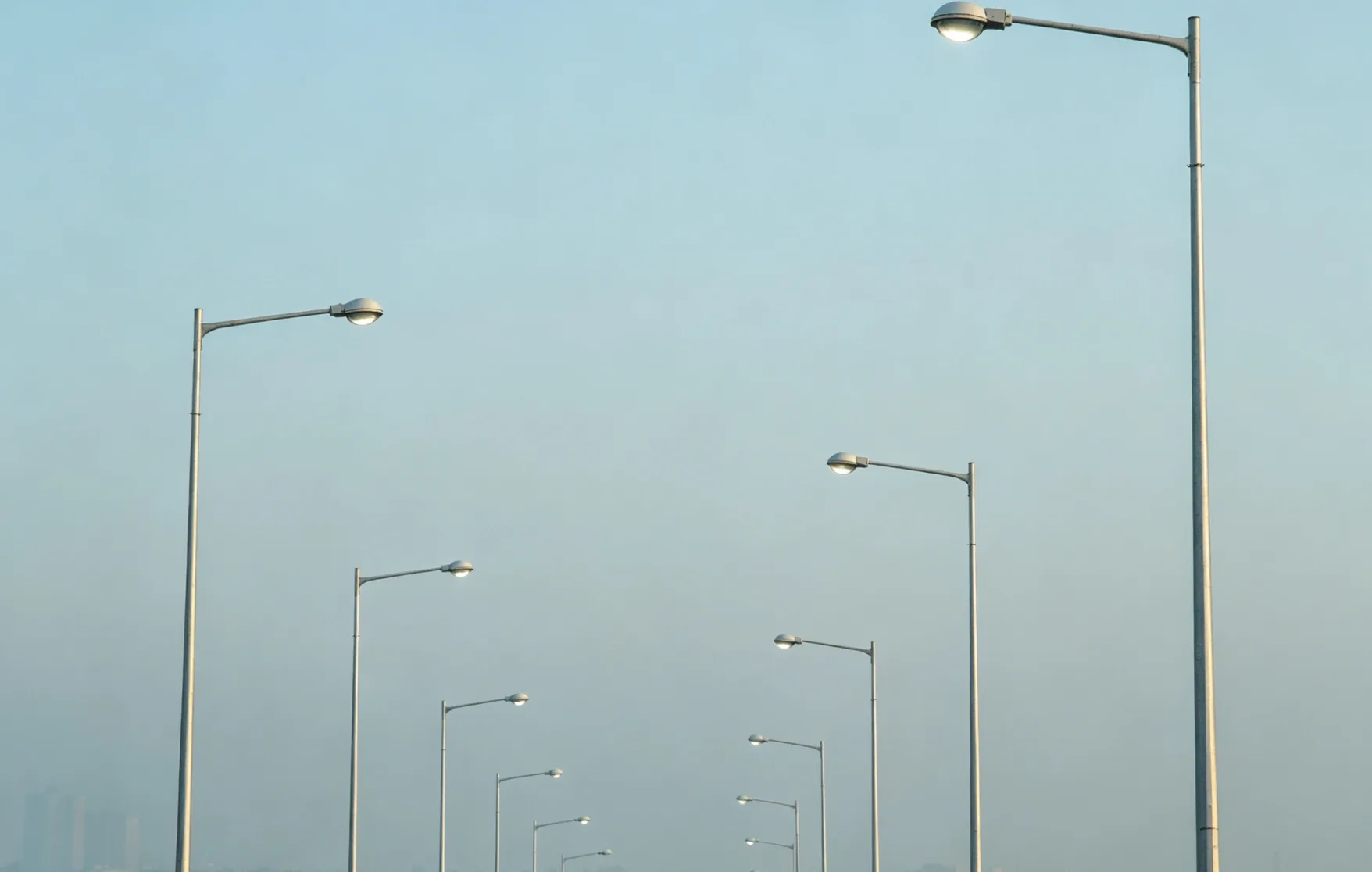
Q345 steel light poles offer exceptional tensile strength, making them structurally superior to aluminum or fiberglass alternatives in high-wind highway environments. Highway support columns must constantly endure extreme dynamic loads caused by passing freight trucks and severe weather systems. The core advantage of Steel Light Poles lies in their superior yield strength, which mathematically prevents catastrophic mechanical bending under continuous atmospheric stress. Unlike brittle materials that snap, a heavy-duty Q345 steel pole absorbs and dissipates kinetic energy during extreme weather events. This rigorously engineered resilience makes these structures indispensable for expansive interstate networks where lighting failure directly correlates with exponentially increased collision risks.
According to the Federal Highway Administration (FHWA), optimizing nighttime visibility through reliable Q345 steel lighting infrastructure countermeasures can reduce fatal intersection crashes by up to 38 percent.
Structural Engineering and Crash Safety Standards
Breakaway features integrated into galvanized steel light poles act as essential life-saving mechanisms designed to mitigate blunt force trauma during vehicular impacts. When a high-speed vehicle strikes a rigid roadside object, the sudden deceleration forces are frequently fatal. To combat this, modern Steel Light Poles utilized in highway applications employ precisely calibrated breakaway slip bases. Upon impact, the base fractures predictably, allowing the Q345 steel street pole structure to safely yield and slide over the vehicle rather than acting as an immovable concrete barrier. This physical decoupling significantly reduces the kinetic force transferred to the vehicle occupants, fulfilling federal passive safety mandates.
Categorization of Roadway Lighting Solutions
Diverse highway topographies demand specific lighting configurations to maximize photometric distribution and guarantee uninterrupted driver safety. Traffic engineers rely heavily on highly customized Roadway lighting poles to maintain absolute uniform brightness across complex multi-lane expressways. For sprawling urban interchanges, high mast Q345 steel light columns exceeding 60 feet successfully eliminate hazardous dark spots and dramatically reduce driver glare. In contrast, historical highway rest areas frequently utilize Decorative Pole structures to combine pedestrian safety protocols with aesthetic architectural integration. Each unique structural configuration is rigorously mathematically modeled to withstand local wind zones while firmly supporting heavy industrial LED luminaire arrays.
Corrosion Resistance in Harsh Environments
Hot-dip galvanization represents the definitive anti-corrosion treatment for maximizing the operational lifespan of highway steel lighting columns. Highway environments continuously subject public infrastructure to severe corrosive elements, including aggressive de-icing salts, heavy exhaust emissions, and constant moisture. Steel Light Poles treated with a metallurgical zinc-alloy coating establish a highly impenetrable physical barrier against rapid atmospheric degradation. For coastal highways facing relentless salt spray, engineers explicitly mandate dual-treated Q345 steel light poles featuring both deep galvanization and ultraviolet-resistant polyester powder coating. This redundant dual-protection mechanism ensures the physical support system reliably maintains its structural integrity without requiring premature and costly replacement.
Table 1: Material Comparison for Highway Lighting
Comparing baseline infrastructure materials scientifically reveals why high-carbon steel remains the dominant choice for transportation safety networks worldwide. Engineers must evaluate these distinct material properties to ensure the selected Q345 steel light columns satisfy both immediate project budgets and long-term federal safety mandates.
| Evaluation Metric | Q345 Steel Light Poles | Aluminum Light Poles | Concrete Support Columns |
|---|---|---|---|
| Yield Strength | Extremely high (ideal for extreme wind zones) | Moderate (suitable for quiet residential roads) | High compression, extremely low tensile strength |
| Impact Safety | Excellent (highly compatible with breakaway bases) | Good (naturally frangible but lacks load capacity) | Poor (poses severe blunt force crash hazards) |
| Luminaire Capacity | Securely supports heavy multi-fixture LED arrays | Strictly limited to lightweight single fixtures | Supports heavy arrays but requires extreme mass |
| Average Lifespan | 30-50 years (with standard hot-dip galvanization) | 50+ years (forms a natural protective oxide layer) | 40+ years (highly prone to internal micro-cracks) |
Advancing Smart Highway Ecosystems
The rapid integration of IoT technology into transportation networks requires the immense load-bearing capacity provided by heavy-duty steel light poles. As modern highways steadily evolve into intelligent transit corridors, lighting columns must safely support significantly more than just basic luminaires. Advanced Smart poles are precision-engineered to carry traffic monitoring cameras, localized weather sensors, and heavy 5G cellular communication nodes. The structural rigidity of a Q345 smart steel light pole prevents wind-induced micro-vibrations, which is critical for maintaining crystal-clear video feeds and uninterrupted high-speed data transmission. Consequently, Steel Light Poles effectively function as the physical backbone for upcoming autonomous vehicle communication frameworks.
The National Highway Traffic Safety Administration (NHTSA) heavily emphasizes deploying adaptive lighting technologies to protect vulnerable road users, a critical safety standard requiring stable, tall Q345 support infrastructure.
Soil Mechanics and Foundation Design
Geotechnical stability serves as an absolute engineering prerequisite for safely anchoring towering steel light structures along steep highway embankments. Civil engineers must accurately calculate localized soil bearing capacity before pouring reinforced concrete footings for massive public infrastructure. Deep anchor-base foundations securely fasten the bottom flange of Steel Light Poles, actively preventing dangerous structural leaning or total collapse during periods of extreme soil saturation. In rural highway sectors, direct burial Q345 steel light poles offer a highly economical alternative. However, these direct-burial applications strictly require the subterranean sections to receive specialized epoxy coatings to effectively combat destructive ground alkalinity and constant moisture.
Economic Analysis of Lifespan Costs
The total cost of ownership for galvanized steel lighting infrastructure is significantly lower than alternative materials due to minimized ongoing maintenance requirements. Municipalities and state departments of transportation constantly operate under incredibly strict budgetary constraints. While the initial procurement and logistics costs for massive Steel Light Poles require substantial capital investment, their proven 40-year service life amortizes the municipal expense highly efficiently. Investing exclusively in premium Q345 structural steel light poles eliminates the severe cascading costs strongly associated with frequent hardware replacements, expensive heavy crane rentals, and disruptive highway lane closures.
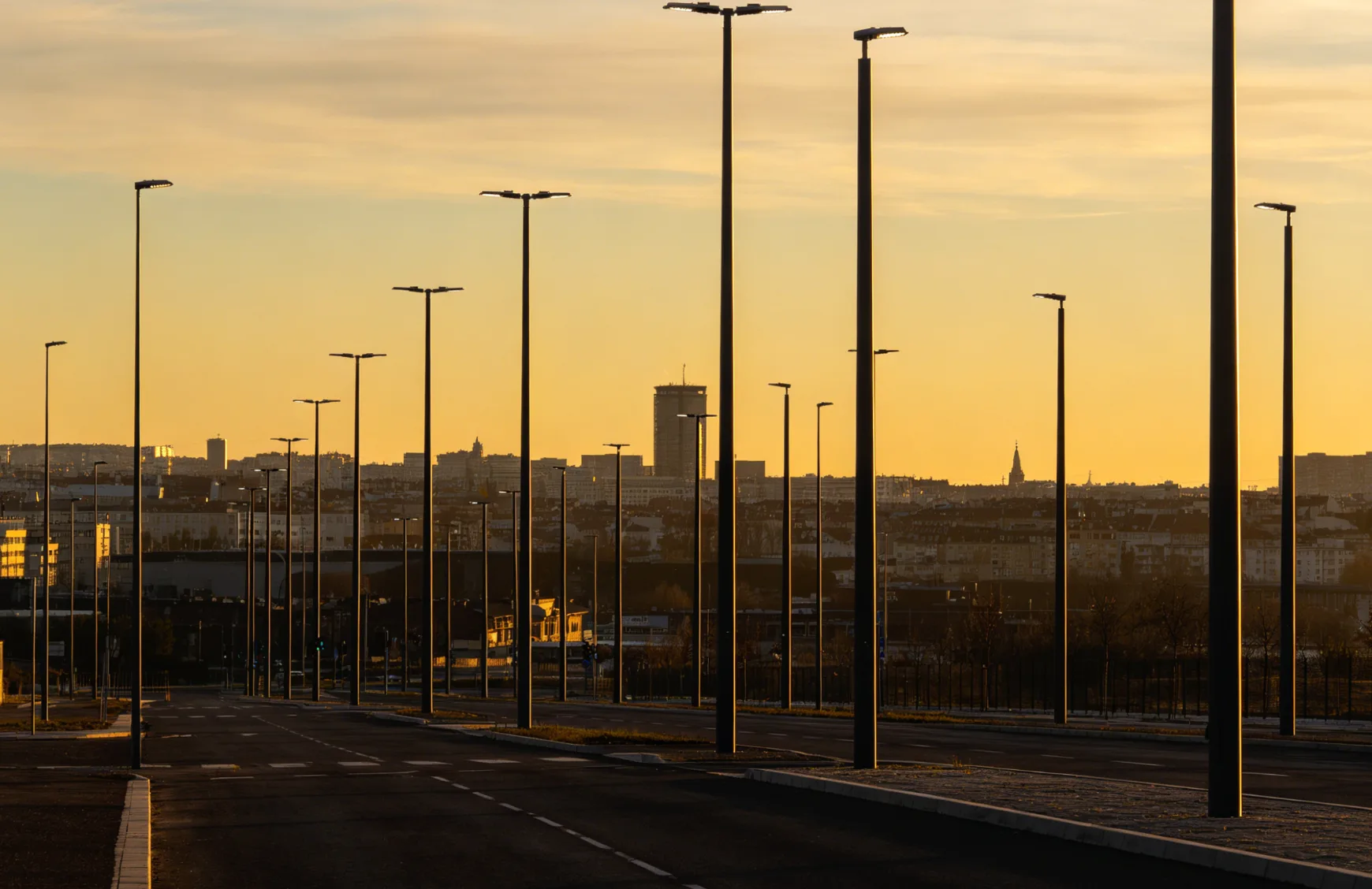
Table 2: Defect Mitigation Checklist for Procurement
Infrastructure procurement managers must rigorously verify strict manufacturing tolerances to ensure absolute highway safety compliance and structural longevity. A standardized quality assurance checklist guarantees that every procured Q345 steel light pole can effortlessly survive decades of severe mechanical stress without requiring emergency maintenance interventions.
| Critical Inspection Area | Industry Standard Requirement | Q345 Steel Pole Engineering Benefit |
|---|---|---|
| Weld Penetration | Minimum 60% penetration on longitudinal seams | Prevents vertical shaft splitting under high wind shear |
| Base Plate Flatness | Strict zero-gap tolerance for even anchoring | Ensures a perfectly vertical and plumb hardware installation |
| Galvanizing Thickness | Minimum 3-4 mils per ASTM A123 guidelines | Guarantees multiple decades of rust-free highway service |
| Fatigue Resistance | Mitigation of dangerous vortex-shedding vibrations | Prevents internal micro-fractures in tall Q345 structures |
Maintenance and Non-Destructive Testing Protocols
Routine ultrasonic testing is currently mandatory for accurately detecting internal micro-fractures within aging highway steel light columns. Proactive maintenance schedules radically prevent catastrophic structural failures on crowded, high-speed roadways. Maintenance crews evaluate the critical base welds of Steel Light Poles using a standardized, highly rigorous three-step protocol:
- Visual inspection for active surface rust and physical vehicular impact damage.
- Magnetic particle inspection to immediately identify hidden stress fractures near the anchoring flange.
- Ultrasonic thickness measurement to strictly verify the Q345 galvanized steel light pole retains its original structural integrity.
According to safety protocols detailed in the FHWA Freeway Management Handbook, well-maintained lighting infrastructure demonstrably reduces nighttime accident ratios across all vehicle classifications.
Specialized Applications and Urban Transitions
Transition zones seamlessly connecting rural highways to dense urban centers require adaptable lighting structures to address rapidly changing traffic speeds. As expansive highways enter populated municipal zones, the environmental lighting design must safely accommodate both high-speed vehicles and localized foot traffic. Highly visible Flag poles and architecturally robust Garden poles are frequently integrated near highway rest stops and pedestrian overpasses to improve spatial awareness. Utilizing highly scalable Q345 steel light poles across these varied urban topographies ensures visual consistency and unified, predictable maintenance protocols for state transportation departments managing complex grids.
Conclusion
Deploying high-grade Q345 steel lighting infrastructure stands as an essential engineering strategy for dramatically reducing nighttime highway fatalities. Extensive traffic data consistently proves that well-lit, uniformly illuminated roadways actively save lives by providing drivers with crucial reaction time. By standardizing the rigorous use of Steel Light Poles, municipal transportation authorities secure a resilient, crash-safe, and highly durable physical framework. Properly engineered Q345 steel light poles not only efficiently illuminate our present highway networks but securely and reliably support the complex smart transit technologies of the upcoming decade, ultimately maximizing the return on taxpayer investment.
Frequently Asked Questions (FAQ)
Q1: How do accurate wind load calculations directly affect the structural design of highway lighting?
Engineers carefully calculate specific local wind zones and the Effective Projected Area (EPA) to accurately determine the required pole wall thickness. Precise mathematical calculations completely prevent dangerous structural sway, ensuring that heavy lighting fixtures remain absolutely stable even during severe hurricanes or localized microbursts.
Q2: What is the primary safety function of a breakaway slip base on a high-speed roadway?
A breakaway base functions as a critical life-saving mechanism engineered to fracture at a specific mechanical shear force during an automobile collision. This intentional separation allows the column to detach from its foundation, reducing the deadly deceleration forces immediately experienced by the driver.
Q3: Can heavy-duty highway support columns easily accommodate modern adaptive LED technology?
Yes, highly rigid support columns are perfectly suited for modern adaptive LED illumination systems. These highly advanced fixtures require absolute physical stability to accurately direct variable beam patterns and avoid blinding oncoming drivers, which necessitates robust metal structures with minimal wind-induced vibration.
Q4: Why is ultrasonic non-destructive testing frequently used on transportation support columns?
Ultrasonic testing safely and accurately evaluates the internal molecular structure of thick metal components without causing any physical damage. Safety inspectors utilize this soundwave technology to locate microscopic internal defects near critical welding zones long before they evolve into major collapse hazards.
Q5: What critical role does geotechnical soil mechanics play in heavy infrastructure installation?
Soil density, composition, and natural moisture levels directly dictate the precise depth and volume of underground concrete footings required for safe installation. Proper geotechnical analysis strongly ensures that towering infrastructure will not lean, shift, or completely uproot when subjected to heavy continuous winds.