
Custom steel light pole design is a critical process for modern urban lighting infrastructure, requiring a balance between structural integrity and aesthetic appeal. This comprehensive guide outlines the essential engineering steps to create durable, high-performance lighting solutions tailored to specific municipal or commercial needs.
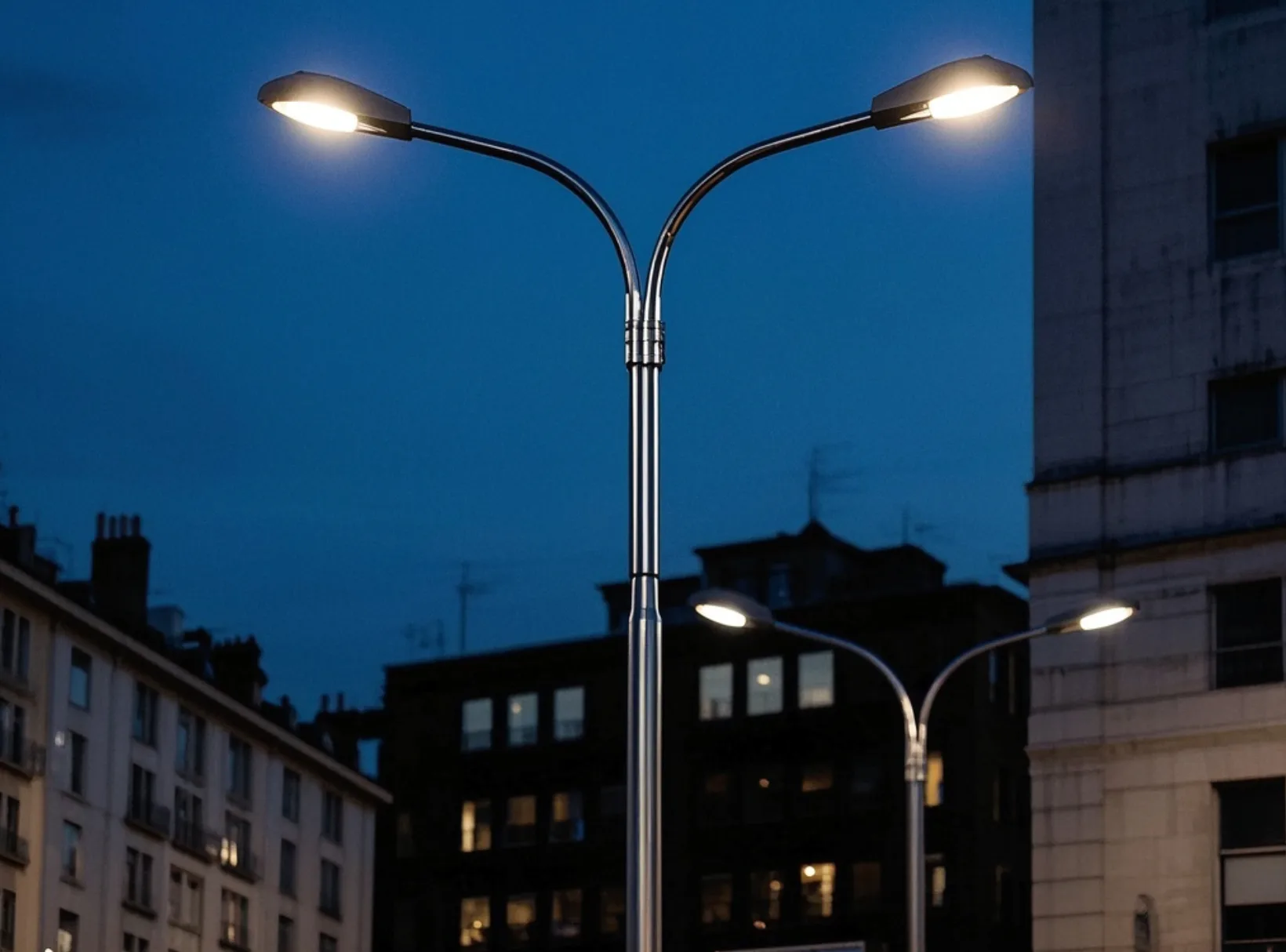
Understanding the Foundation of Steel Pole Engineering
The primary objective of custom steel light pole design is to ensure long-term stability under variable environmental loads. Standard steel light poles serve as the baseline, but customization allows engineers to adjust wall thickness, taper ratios, and material grades to meet localized safety codes. Modern manufacturing focuses on high-performance tapered light columns that distribute stress more efficiently than straight-walled alternatives.
Step 1: Defining Site-Specific Requirements
Before drafting a design, engineers must analyze the installation environment. Factors such as soil composition, proximity to coastal salt spray, and historical wind speed data dictate the necessary material specifications. For instance, weather-resistant street light poles intended for typhoon-prone regions require higher-grade carbon steel or specialized alloy reinforcements to prevent structural failure.
Step 2: Selecting Material and Coating Standards
| Feature | Hot-Dip Galvanizing | Powder Coating | Duplex System |
|---|---|---|---|
| Corrosion Resistance | Excellent (20-50 years) | Moderate (Protective layer) | Superior (Combined) |
| Aesthetic Options | Silver/Grey Metallic | Full RAL Color Range | High-End Custom Finish |
| Best For | Industrial & Roadway | Urban & Decorative | Coastal & High-Traffic |
Step 3: Calculation of Wind Load and EPA
Effective Projected Area (EPA) is the most vital technical metric in custom steel light pole design. It represents the total surface area of the light fixture (luminaire) and brackets that will be exposed to wind. Engineers use this value to determine the pole’s required shaft strength and base plate dimensions. Incorrect EPA calculations often lead to excessive vibration, which can shorten the lifespan of LED components.
Step 4: Aesthetic Integration and Decorative Elements
While functionality is paramount, urban planners often prioritize visual harmony. Custom decorative lighting pole manufacturing involves adding ornamental bases, arm scrolls, and specialized finials. Morelux offers a wide range of Steel Light Pole options that blend classical European styles with modern industrial strength.
Step 5: Electrical and Smart City Integration
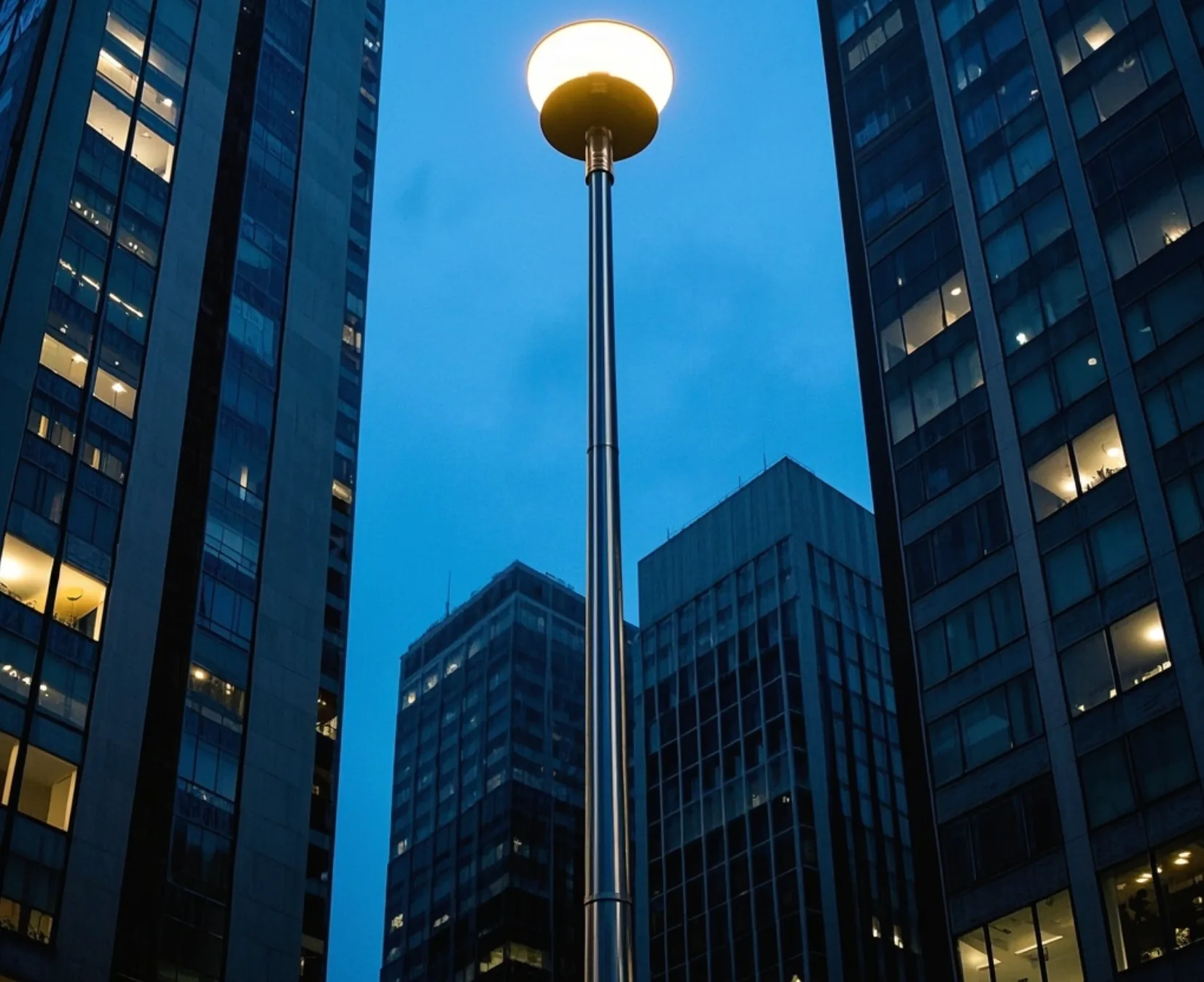
Modern infrastructure is no longer just about illumination. Integration of internal wiring for IoT sensors, 5G small cells, and EV charging stations must be planned during the CAD phase. Internal handholes must be strategically reinforced to maintain the pole’s structural integrity while allowing easy access for maintenance crews.
Comparing Structural Shapes for Performance
The geometry of a steel pole significantly impacts its resistance to bending and torsion.
- Round Tapered: Offers the best aerodynamic profile, reducing wind resistance.
- Square Tapered: Provides a modern architectural look but has higher wind drag.
- Octagonal/Hexagonal: Combines structural rigidity with a distinct aesthetic, often used in Decorative Pole applications.
Quality Control and Compliance Standards
According to industry estimates, over 90% of structural failures in light poles result from poor weld quality or inadequate base plate thickness. Ensuring compliance with international standards like EN 40 or AASHTO (American Association of State Highway and Transportation Officials) is mandatory for any Capabilities assessment of a manufacturer. High-quality production involves non-destructive testing (NDT) to verify the penetration of longitudinal and circumferential welds.
Logistics and Sustainable Installation
Sustainable urban design considers the full lifecycle of the product. Steel poles are highly recyclable, contributing to a lower carbon footprint compared to fiberglass alternatives. During the installation phase, choosing the right Manufacturing Processes ensures that the poles are lightweight enough for efficient transport while maintaining the density required for heavy-duty Steel Pole applications.
Conclusion: Engineering for the Future
A successful custom steel light pole design bridges the gap between raw engineering and community identity. By following a structured design protocol—from wind load analysis to smart city integration—developers can ensure their lighting infrastructure remains safe, beautiful, and functional for decades.
External References
- AASHTO Standard Specifications for Structural Supports for Highway Signs, Luminaires, and Traffic Signals (Official Government/Standard Org).
- International Association of Lighting Designers (IALD) – Guidelines for Urban Lighting Aesthetics.
- American Galvanizers Association (AGA) – Technical data on hot-dip galvanizing longevity (2024 Edition).
FAQ
Q: What is the typical lead time for custom steel light pole manufacturing?
A: Depending on the complexity of the design and the required finishing (such as powder coating or smart city integrations), the typical lead time ranges from 4 to 8 weeks. Highly customized Steel Light Pole projects with unique decorative molds may take longer to ensure precision engineering.
Q: How do I determine the correct pole height for a commercial parking lot?
A: Standard heights for parking lots usually fall between 20 and 35 feet. However, a professional photometric analysis is required to determine the optimal height based on the luminaire’s light distribution and the desired foot-candle levels across the area to ensure safety and visibility.
Q: Are stainless steel light poles worth the extra cost over galvanized steel?
A: For projects located within 3 miles of the ocean, stainless steel offers superior longevity. While the initial investment is higher, the reduced maintenance and elimination of rust-related structural risks provide a better return on investment over a 30-year lifecycle in high-salinity environments.
Q: Can smart sensors be added to existing standard steel light poles?
A: Yes, many poles can be retrofitted. However, for a seamless “Smart City” look, it is best to use poles designed with internal compartments and pre-drilled mounting points. This ensures that the integration of cameras or Wi-Fi nodes does not compromise the pole’s wind load resistance.
Q: What maintenance is required for powder-coated steel poles?
A: Powder-coated poles should be inspected annually for surface scratches or chips. If the protective layer is compromised, it should be touched up immediately to prevent moisture from reaching the steel. Periodic cleaning with mild soap and water helps maintain the vibrancy of the color and prevents salt accumulation.