
How Do Decorative Light Poles Improve Urban Spaces and Public Appeal?
Decorative light pole systems do more than illuminate streets; they shape how people experience a city after dark. A well-planned decorative light pole can improve safety, support wayfinding, and make public spaces feel more welcoming.
Why Decorative Light Pole Design Matters in Urban Spaces
A decorative light pole influences both function and perception in the built environment. In plazas, boulevards, parks, and pedestrian streets, the pole becomes part of the streetscape, not just a support structure. That is why designers often treat an urban beautification pole as a visual anchor that helps unify paving, planting, architecture, and lighting into one coherent scene. Morelux’s product range shows how a manufacturer can align structural performance with public-space aesthetics through custom light pole solutions and application-specific configurations.
Urban lighting also affects how people use a space at night. According to the World Bank’s urban development resources, more than half of the world’s population already lives in cities, which means small infrastructure choices can influence a large number of daily trips and public encounters. In that context, decorative poles are part of a city’s visible identity, especially in districts where lighting must support commerce, leisure, and movement at the same time.
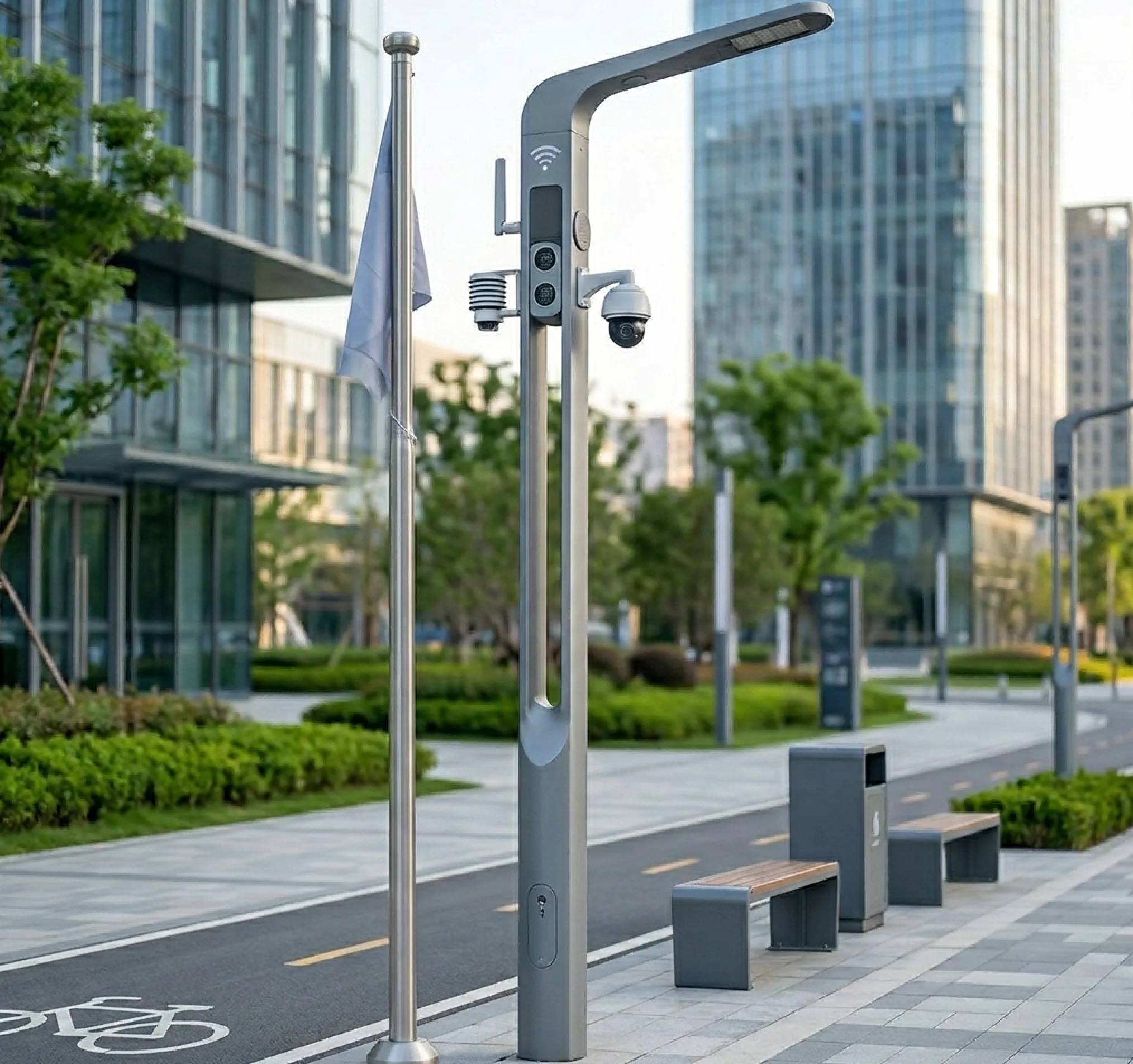
What a Decorative Light Pole Contributes Beyond Illumination
The main value of a decorative light pole is that it combines lighting support with place-making. In practical terms, the pole helps define edges, reinforce pedestrian routes, and create a consistent nighttime character. When a city upgrades an avenue or public square, the pole finish, height, arm shape, and base detailing can make a space feel more refined without changing the entire landscape plan.
Public appeal is also tied to perceived order. Research from the International Energy Agency on urban digital lighting highlights how modern lighting systems can improve control, efficiency, and service quality. While the report focuses on digital lighting more broadly, the same principle applies to decorative poles: better lighting infrastructure can support both operational goals and a stronger civic image. For project teams, that means the pole must satisfy engineering requirements while still matching the design language of the district.
| Urban Area | Decorative Light Pole Benefit | Typical Result |
|---|---|---|
| Commercial streets | Visual continuity and stronger nighttime identity | More inviting retail corridors |
| Parks and plazas | Gentle illumination and better spatial definition | Higher comfort for visitors |
| Residential districts | Improved scale and softer streetscape presence | Better perceived safety |
| Heritage zones | Style alignment with surrounding architecture | More cohesive public realm |
How an Urban Beautification Pole Supports Safety and Comfort
An urban beautification pole improves comfort when it helps people see where to walk, gather, and cross safely. Good lighting reduces visual uncertainty, which matters in transit corridors, parking areas, and public plazas. The pole itself also matters because stable construction helps keep luminaires positioned correctly over time, reducing maintenance disruptions and uneven light distribution.
In public-space projects, safety and aesthetics are not competing goals. A well-made decorative light pole can support both by providing predictable mounting, durable finishes, and a profile that fits the site context. In many city projects, the best outcome is not the most ornate design, but the one that feels natural in the surrounding streetscape and remains reliable under outdoor exposure.
For procurement teams, these details affect lifecycle cost. A pole that resists corrosion, wind loading, and coating degradation can reduce call-backs and repainting. That is one reason project specifications increasingly focus on material selection, fabrication quality, and maintenance planning rather than appearance alone.
Common Decorative Light Pole Types and Where They Fit
Different urban contexts require different pole profiles. A decorative light pole for a historic promenade is not the same as one used in a new commercial district. Manufacturers often tailor shape, finish, and height to the project, which is where a custom light pole approach becomes valuable.
- European-style decorative poles suit commercial boulevards, plazas, and upscale residential districts.
- Classic-style poles work well in heritage streets, parks, and civic spaces.
- Steel poles are preferred where strength, batch consistency, and project scalability matter.
- Stainless steel poles are useful in coastal or high-humidity environments with stronger corrosion exposure.
- Smart poles support cameras, sensors, Wi-Fi, and charging in connected-city projects.
These options show why product categories matter in procurement. Morelux also produces broader pole systems, including steel street light poles, stainless steel light poles, smart light poles, and flag poles, which helps planners select the right structure for each urban function.
| Pole Type | Best Use Case | Key Advantage |
|---|---|---|
| Decorative light pole | Public realm upgrades | Aesthetic integration |
| Steel street light pole | Roads and infrastructure | Structural reliability |
| Stainless steel light pole | Coastal or humid sites | Corrosion resistance |
| Smart light pole | Smart city deployments | Multi-device integration |
How Decorative Light Pole Projects Improve Urban Appeal
A decorative light pole improves urban appeal when it reinforces the story a district wants to tell. In a shopping street, the pole can suggest elegance and order. In a civic square, it can communicate permanence and identity. In a park, it can soften the transition between architecture, planting, and open space. The visual effect may seem subtle, but it is often what makes a place feel finished.
For city planners and landscape designers, the best pole is the one that matches scale, context, and maintenance reality. If the pole is too large, it overwhelms the street. If it is too plain, it disappears in a place that needs visual distinction. If it is poorly specified, long-term upkeep erodes the intended look. That is why careful coordination between design teams and manufacturers matters from the earliest concept stage.
From an engineering perspective, a custom light pole should also align with wind loads, fixture weight, installation method, and local code requirements. These variables differ by country and project type, so standardization and customization must work together rather than compete.
Why Customization Matters in Decorative Light Pole Procurement
Customization is essential because urban projects rarely share identical constraints. A decorative light pole may need different base plates, outreach arms, powder-coat colors, or mounting heights depending on the site. Morelux positions customization as part of its manufacturing model, which is important for municipal buyers and contractors managing mixed-use developments, road upgrades, or district renewal projects.
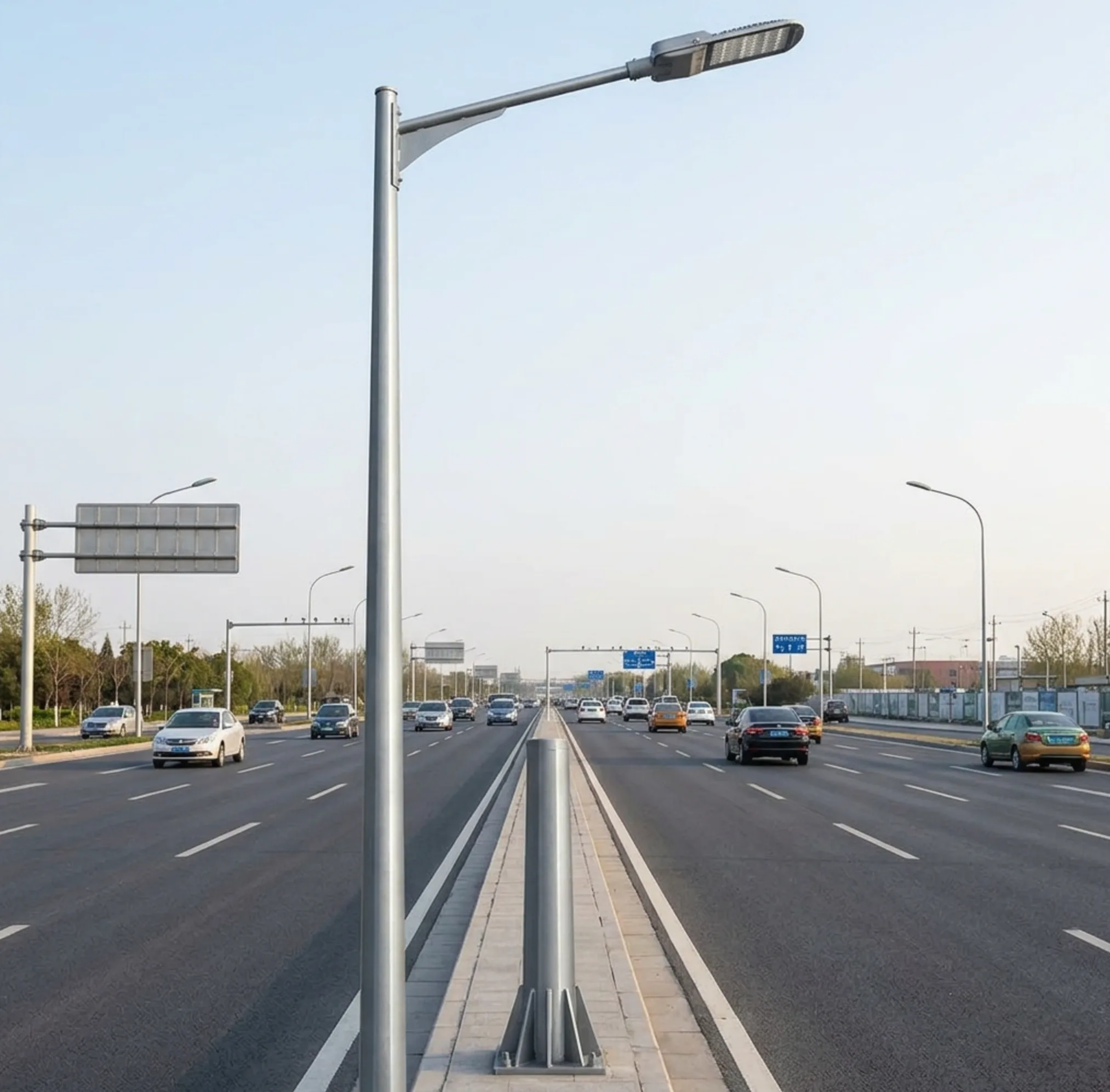
Practical customization also improves procurement clarity. When a supplier can define dimensions, finish, and application scope early, the buyer can compare options more accurately and reduce approval delays. This is especially useful for export projects, where documentation, lead time, and configuration consistency matter as much as unit price.
Industry estimates suggest that public lighting upgrades remain a major part of urban infrastructure spending, especially where cities are modernizing older districts and integrating smarter systems. In those projects, pole choice becomes a long-term decision because it affects both daily use and the visual quality of the public realm.
What Buyers Should Check Before Selecting a Decorative Light Pole
A decorative light pole should be evaluated on performance, appearance, and serviceability. Buyers often focus on price first, but the better approach is to compare the full project fit. The pole must support the required luminaire, match the site style, and remain practical for installation and maintenance.
- Material suitability: steel, stainless steel, or aluminum depending on climate and corrosion risk.
- Structural capacity: height, wall thickness, and wind-load compatibility.
- Finish quality: coating system, color stability, and outdoor durability.
- Project fit: alignment with road, park, plaza, or residential design goals.
- Supply reliability: lead time, technical documentation, and batch consistency.
These checks are especially important in overseas procurement, where installation standards and documentation practices can vary. A supplier with experience in international delivery can reduce miscommunication and improve project scheduling. Morelux’s long-term manufacturing focus since 1998 is relevant here because experience often translates into clearer specification support and more stable execution.
How Decorative Light Pole Systems Support Smart City Growth
Decorative light pole systems are increasingly part of smart city infrastructure. A smart pole can carry lighting, but it can also host sensors, cameras, communication modules, and charging functions. That makes the pole a physical platform for urban data collection and service delivery rather than a single-purpose fixture.
This shift matters because cities now expect lighting assets to do more than brighten roads. In many renewal projects, planners want visible improvements in streetscape quality and invisible improvements in connectivity, monitoring, and efficiency. Decorative poles can participate in both goals when the structure is designed with future integration in mind. The result is a public space that looks better and performs better.
Conclusion
A decorative light pole improves urban spaces by combining visual identity, practical lighting support, and long-term usability. When specified well, it can strengthen public appeal, improve comfort, and help cities present a more coherent nighttime image. In modern urban projects, the best pole is not only attractive; it is also durable, adaptable, and aligned with the character of the place.
FAQ
1. What is the main purpose of a decorative light pole?
The main purpose of a decorative light pole is to support lighting while improving the visual character of a public space. It helps a city look more organized, welcoming, and context-aware. In plazas, streets, and parks, the pole becomes part of the design language rather than only a utility component.
2. How does an urban beautification pole affect public perception?
An urban beautification pole can make a space feel safer, cleaner, and more carefully planned. People often judge a district by its nighttime appearance, and the pole contributes to that impression through shape, finish, and lighting arrangement. A consistent streetscape usually feels more trustworthy and easier to navigate.
3. When should a project use a custom light pole?
A custom light pole is useful when a project has special size, style, climate, or installation requirements. It is common in commercial streets, heritage districts, resort areas, and smart city projects. Customization helps align the pole with both engineering constraints and the visual goals of the site.
4. Are decorative light poles suitable for coastal or humid areas?
Yes, decorative light poles can be suitable for coastal or humid areas if the material and finish are selected correctly. Stainless steel and corrosion-resistant coatings are often preferred in harsh environments. The key is to match the pole specification to the local climate rather than choose by appearance alone.
5. What should buyers compare before choosing a supplier?
Buyers should compare product range, structural design, customization ability, finish quality, delivery reliability, and technical support. For public projects, documentation and communication matter as much as pricing. A good supplier should make it easier to coordinate design approval, production, shipping, and installation.