
A stainless steel light pole (stainless steel light pole / steel lighting pole / outdoor light pole) is a structural support column designed to carry luminaires for outdoor illumination systems such as streets, parking areas, highways, campuses, and industrial zones. Compared with conventional carbon steel poles, stainless steel poles are engineered for higher corrosion resistance, longer service life, and reduced maintenance demand, particularly in coastal or high-humidity environments.
Industry applications show that steel-based lighting poles dominate municipal and commercial infrastructure because they combine mechanical strength with adaptable design configurations such as tapered, round, and multi-arm structures suitable for LED lighting systems.
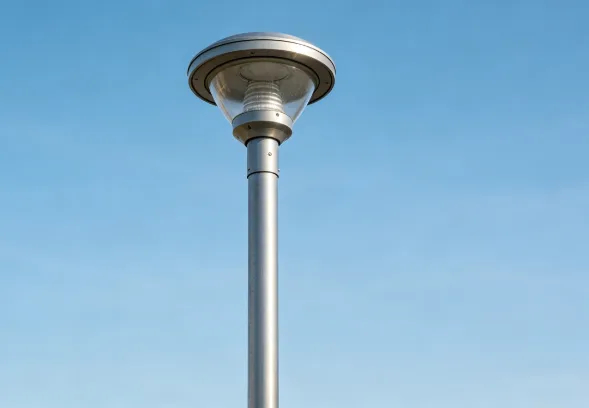
Core Definition of Stainless Steel Light Pole (Outdoor Light Pole Engineering View)
A stainless steel light pole is a load-bearing vertical structure fabricated from stainless steel alloys (typically 201, 304, 316, or duplex grades), designed to support lighting fixtures at controlled heights ranging from pedestrian-scale pathways to highway illumination towers.
From an engineering perspective, the pole must satisfy three functional requirements:
-
Structural integrity – resist wind load, vibration, and fixture weight
-
Corrosion resistance – withstand oxidation, salt spray, and pollution exposure
-
Installation compatibility – support anchor-base or direct-burial foundations
Stainless steel poles are widely used in urban infrastructure because they maintain surface stability without frequent repainting or coating renewal.
Types of Steel Lighting Pole (Steel Lighting Pole Classification System)
1. By Structural Shape (Outdoor Light Pole Geometry)
-
Round tapered poles – optimized for wind load distribution
-
Square poles – preferred in urban architectural lighting
-
Conical poles – balance aesthetics and structural rigidity
-
Y-shaped or multi-arm poles – used for stadiums and intersections
These configurations allow adaptation to different illumination coverage requirements such as roadway lighting or public square lighting systems.2. By Installation Method
-
Anchor base poles – fixed on concrete foundations using bolts
-
Direct burial poles – embedded directly into soil or concrete footing
Anchor base systems are more commonly used in municipal projects due to easier replacement, while direct burial systems reduce installation cost in parks and rural lighting systems.
3. By Application Environment (Outdoor Light Pole Usage Scenarios)
-
Street lighting poles – urban roads and highways
-
Parking lot poles – commercial complexes and retail centers
-
Sports lighting poles – stadiums, courts, and large arenas
-
Landscape lighting poles – parks and pedestrian pathways
-
Industrial lighting poles – logistics yards and factories
Steel-based lighting systems are frequently selected for high-load environments requiring strong structural stability.
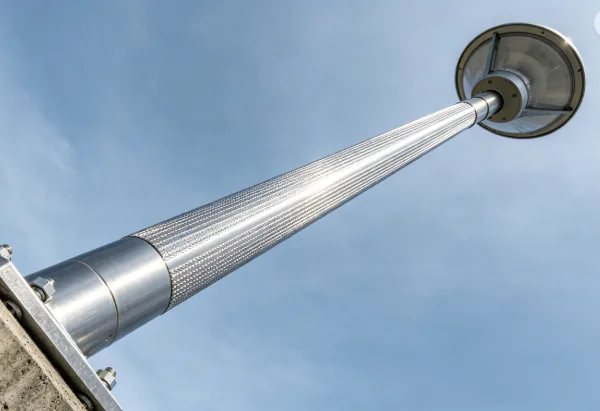
Stainless Steel Grades for Light Pole Manufacturing
1. 201 Stainless Steel (Cost-Optimized Grade)
-
Lower nickel content
-
Suitable for inland environments
-
Moderate corrosion resistance
-
Common in budget-sensitive outdoor lighting systems
2. 304 Stainless Steel (General Engineering Standard)
-
Contains ~18% chromium and ~8% nickel
-
Balanced corrosion resistance and mechanical strength
-
Widely used in architectural and municipal lighting structures
-
Standard choice for most stainless steel light pole installations
3. 316 Stainless Steel (Marine & Coastal Grade)
-
Contains molybdenum for chloride resistance
-
High resistance to salt spray and coastal corrosion
-
Preferred for seafront cities, ports, and humid environments
4. Duplex Stainless Steel (High-Performance Structural Grade)
-
Dual-phase microstructure (austenite + ferrite)
-
Higher strength-to-weight ratio
-
Used in extreme wind-load or heavy-duty infrastructure poles
Stainless steel pole systems historically originated from early austenitic grades such as 304 and 316 and have evolved into duplex variants for improved durability in harsh environments.
Applications of Stainless Steel Light Pole (Steel Lighting Pole Engineering Use Cases)
Urban Infrastructure Lighting
Stainless steel poles are widely deployed in city road networks due to their combination of durability and low maintenance demand.
Commercial Lighting Systems
Shopping malls, logistics parks, and office complexes use outdoor light poles to ensure uniform illumination and safety compliance.
Transportation Networks
Highways and interchanges rely on steel lighting poles for wind resistance and long-span fixture support.
Coastal and Harsh Environments
316-grade stainless steel poles are particularly effective in coastal zones where chloride corrosion is a major failure factor.
Smart City Integration
Modern poles increasingly integrate surveillance cameras, sensors, and IoT modules for smart lighting control systems.
Key Engineering Advantages of Stainless Steel Light Poles
-
High corrosion resistance compared to carbon steel poles
-
Long lifecycle with reduced repainting requirements
-
Strong mechanical stability under wind and vibration loads
-
Compatible with LED lighting and smart infrastructure systems
-
Aesthetic surface finish suitable for architectural environments
Comparison: Stainless Steel vs Conventional Steel Lighting Pole
| Feature | Stainless Steel Light Pole | Conventional Steel Lighting Pole |
|---|---|---|
|
Corrosion resistance |
High |
Medium (requires coating) |
|
Maintenance |
Low |
Medium–High |
|
Structural strength |
High |
High |
|
Lifecycle cost |
Lower long-term |
Higher maintenance cost |
|
Coastal suitability |
Excellent (316 grade) |
Limited without treatment |
FAQ: Stainless Steel Light Pole (Outdoor Lighting Systems)
1. What is the main difference between stainless steel and steel lighting poles?
Stainless steel poles use chromium-based alloys that naturally resist corrosion, while carbon steel poles rely on external coatings such as galvanization or painting. Stainless steel provides longer lifespan in humid or coastal environments.
2. Which stainless steel grade is best for outdoor light poles?
Grade 304 is commonly used for general environments, while 316 is preferred for coastal or high-chloride exposure areas. Duplex stainless steel is used for heavy-load or high-wind infrastructure projects.
3. What heights are typical for outdoor light poles?
Standard stainless steel light poles range from 3 to 15 meters depending on application. Highway and sports lighting systems may require significantly taller structures for wider illumination coverage.
4. Are stainless steel light poles suitable for coastal cities?
Yes, 316-grade stainless steel poles are specifically designed for marine environments due to their resistance to salt-induced pitting corrosion and long-term structural stability.
5. What are common installation methods for outdoor light poles?
Two primary methods are anchor base installation using concrete foundations and direct burial installation where the pole is embedded into soil or concrete for structural support.