
Selecting the ideal steel light pole for pedestrian walkways requires a balance of structural integrity, aesthetic harmony, and public safety standards. This guide analyzes the engineering specifications and material benefits of various lighting supports, ensuring municipal planners and contractors choose the most durable solutions for high-traffic public spaces.
The Critical Role of Material Selection in Urban Lighting
Material durability determines the lifecycle cost and safety of any pedestrian infrastructure project. While various metals are used in manufacturing, the high-strength steel light pole remains the industry standard for its ability to withstand wind loads and physical impacts in busy urban corridors. Engineers must prioritize materials that resist corrosion while maintaining structural rigidity over decades of exposure to the elements.
For coastal areas or high-salinity environments, the stainless steel light pole offers superior oxidation resistance compared to standard carbon steel. The choice between these materials often depends on the specific micro-climate of the installation site and the long-term maintenance budget of the municipality. According to the American Association of State Highway and Transportation Officials (AASHTO), structural supports for luminaires must meet specific fatigue and vibration thresholds to ensure public safety.
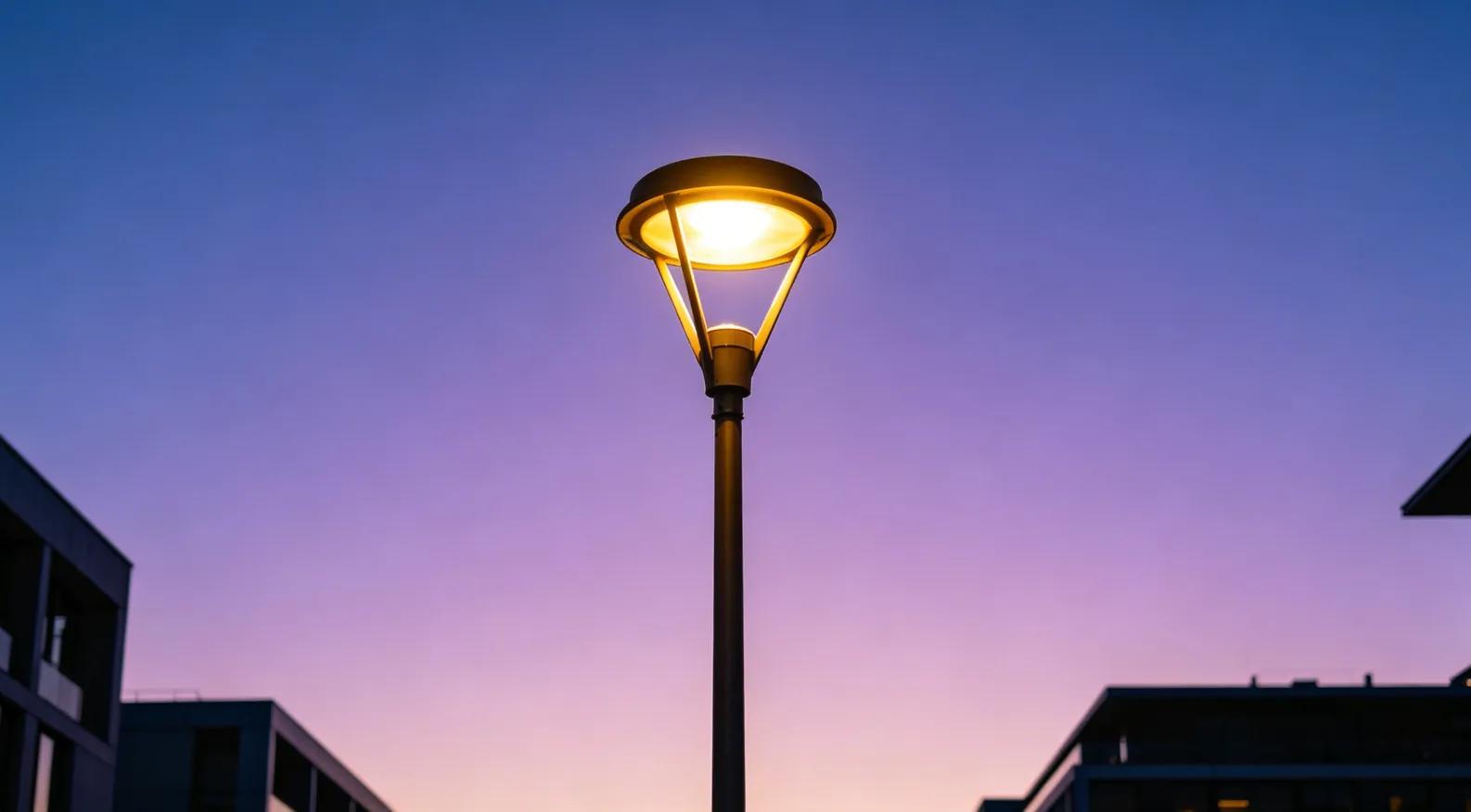
Comparative Analysis of Pedestrian Lighting Materials
Choosing the correct pole involves evaluating mechanical properties against environmental stressors. The following table compares the three most common materials used in modern walkway projects:
| Feature | Galvanized Steel | Stainless Steel | Aluminum |
|---|---|---|---|
| Structural Strength | High | Very High | Moderate |
| Corrosion Resistance | Moderate to High | Excellent | High |
| Initial Cost | Cost-Effective | Premium | Moderate |
| Typical Lifespan | 25–50 Years | 50+ Years | 30–40 Years |
| Maintenance Need | Low (Periodic Inspection) | Minimum | Low |
Engineering Benefits of Tapered Steel Designs
Tapered designs are preferred for pedestrian walkways because they distribute wind pressure more efficiently than straight poles. A tapered steel pole reduces the center of gravity and provides a sleeker profile that blends into modern architectural landscapes. These poles are typically manufactured through cold-forming processes to ensure uniform wall thickness and structural consistency.
Integrating a stainless steel light pole in a tapered format combines visual elegance with high tensile strength. This is particularly important for walkways located near heavy transit lines where ground-borne vibrations are frequent. Standardized manufacturing ensures that these poles meet ANSI C136.10 standards for road and area lighting equipment, providing a reliable foundation for expensive LED luminaire systems.
Enhancing Pedestrian Safety with Proper Pole Height
The mounting height of a steel light pole significantly impacts the Uniformity Ratio of the light distributed on the ground. For pedestrian-only paths, heights typically range from 10 to 15 feet (3 to 4.5 meters) to create a human-scale environment that feels secure without being overwhelming. Proper height prevents excessive glare and ensures that light reaches facial recognition levels, a key factor in urban “Defensible Space” design.
In contrast, if the walkway is adjacent to a high-speed roadway, a taller stainless steel light pole may be required to bridge the gap between vehicular and pedestrian lighting zones. The Illuminating Engineering Society (IES) provides specific Recommended Practices (RP-8-21) for lighting pedestrian facilities, emphasizing that consistent vertical illuminance is essential for obstacle detection and personal security.
Installation and Foundation Requirements
A lighting pole is only as stable as its foundation. For a heavy-duty steel light pole, the bolt-circle diameter and anchor bolt length must be calculated based on local soil conditions and the Effective Projected Area (EPA) of the light fixture. Pre-cast concrete bases are often used to speed up installation in municipal projects, ensuring that the pole remains perfectly vertical even under high wind gusts.
When installing a stainless steel light pole, contractors must use compatible hardware to prevent galvanic corrosion. Using carbon steel bolts with a stainless pole can lead to rapid degradation of the junction points. Following the International Building Code (IBC) guidelines for local wind zones (V-rated speeds) is mandatory to prevent structural failure during extreme weather events.
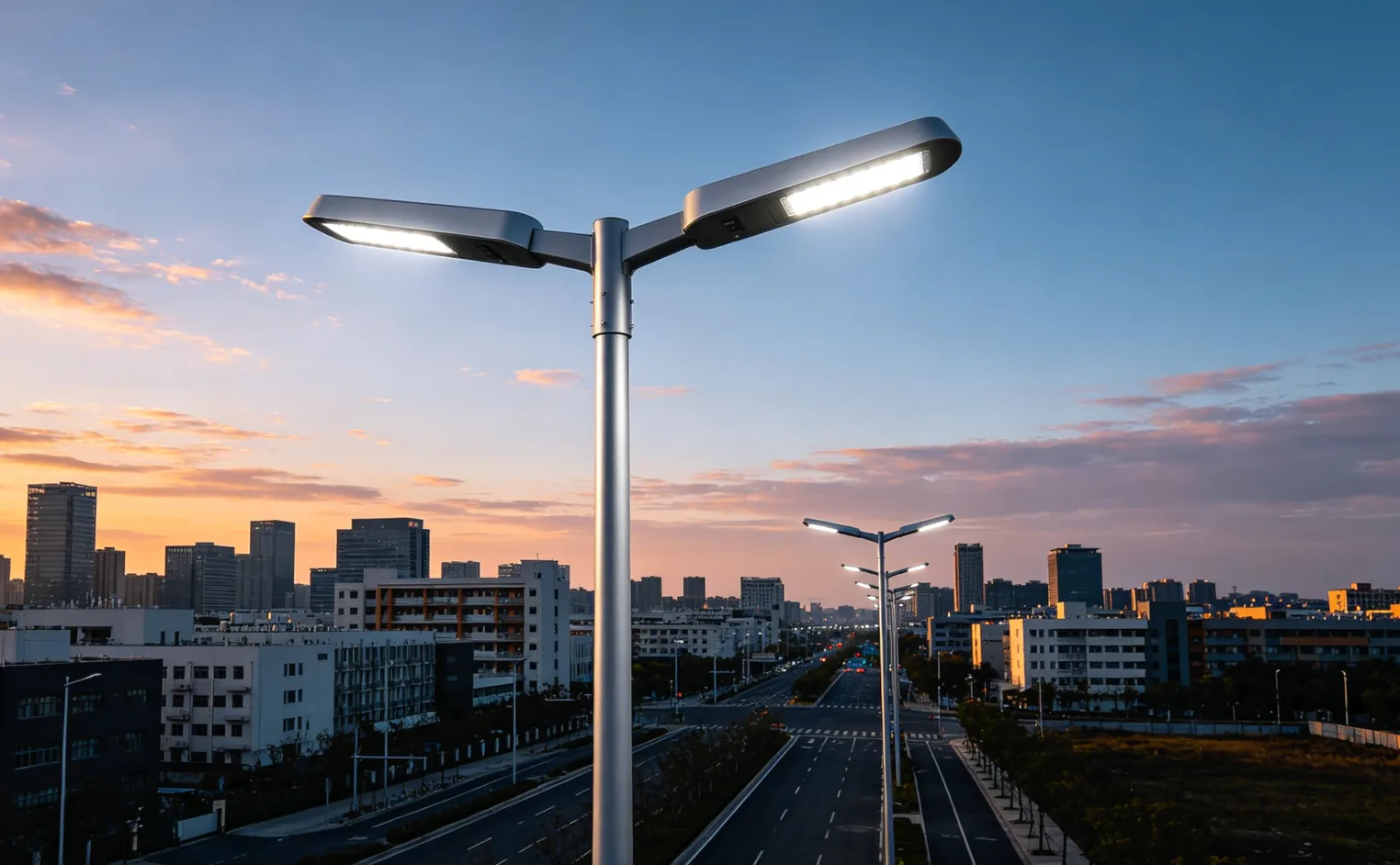
Selection Checklist for Municipal Infrastructure
Project managers should utilize a rigorous selection process to ensure long-term ROI. The following checklist assists in the procurement of high-quality lighting supports:
- Wind Load Verification: Ensure the pole is rated for the local 50-year or 100-year mean recurrence interval wind speed.
- Finish Specification: Determine if hot-dip galvanizing, powder coating, or a brushed stainless finish is required for the specific environment.
- Vibration Dampening: In areas with constant wind or bridge traffic, internal or external dampers should be considered.
- Access Panels: Confirm that handhole covers are secure and weather-tight to protect internal wiring.
- Compliance: Verify that all steel light poles meet local DOT or municipal structural standards.
Aesthetic Integration in Urban Design
While function is paramount, the visual impact of a steel light pole cannot be ignored in landscape architecture. Modern conical and decorative poles allow for the integration of smart city technology, such as Wi-Fi hotspots, CCTV cameras, and EV charging ports. This multi-functional approach maximizes the utility of the physical footprint of the pole.
The reflective quality of a stainless steel light pole can be used to mirror the surrounding environment, making the infrastructure less intrusive during daylight hours. High-quality aluminum and steel poles can be finished in custom RAL colors to match existing street furniture, creating a cohesive brand identity for business districts or university campuses.
Durability and Environmental Sustainability
Steel is one of the most recycled materials on earth, making the choice of a steel light pole a sustainable decision for green building initiatives. The longevity of these structures reduces the frequency of replacement, thereby lowering the total carbon footprint of the urban lighting network. Galvanized coatings also provide a “self-healing” property where minor scratches are protected by the surrounding zinc layer.
For projects aiming for LEED certification or extreme longevity, a stainless steel light pole is often the most sustainable choice despite the higher initial cost. It requires no chemical recoating over its lifetime and is 100% recyclable at the end of its service life. The International Stainless Steel Forum (ISSF) highlights that stainless steel’s durability significantly reduces life-cycle environmental impact compared to shorter-lived alternatives.
Future-Proofing Pedestrian Lighting Systems
As cities transition to “Smart Lighting,” the physical steel light pole must evolve. Internal wiring capacities are now being increased to accommodate 5G small cell nodes and environmental sensors. Choosing a heavy-duty steel pole ensures that the structure can support the additional weight and wind surface area of these modern attachments without compromising safety.
Selecting a stainless steel light pole for these tech-heavy installations offers the added benefit of electromagnetic shielding and superior protection for sensitive electronic components housed within the pole base. By investing in high-quality infrastructure poles now, municipalities avoid the costly “rip-and-replace” cycles associated with under-engineered lighting supports.
FAQ
What is the average lifespan of a galvanized steel light pole in a pedestrian setting?
In standard inland environments, a hot-dip galvanized steel light pole typically lasts between 30 and 50 years. The zinc coating provides sacrificial protection that prevents the base metal from rusting. However, in high-humidity or industrial areas, this lifespan may be reduced to 20-25 years without additional powder coating.
Is a stainless steel light pole worth the extra cost for city walkways?
Yes, for specific high-exposure areas such as coastal boardwalks or salt-treated sidewalks, a stainless steel light pole is highly cost-effective. While the initial investment is 2-3 times higher than carbon steel, it eliminates the need for repainting or corrosion-related replacements, leading to a lower total cost of ownership over 50 years.
How do wind load ratings affect the choice of a steel light pole?
Wind load ratings, or EPA (Effective Projected Area), determine the maximum weight and size of the luminaire a pole can safely support. A steel light pole must be engineered to withstand the maximum recorded wind speeds in its specific geographic region to prevent bending or catastrophic structural failure during storms.
Can decorative accessories be added to standard stainless steel light poles?
Most manufacturers offer modular accessories for the stainless steel light pole, including banner arms, flower pot holders, and decorative base covers. Because stainless steel has high tensile strength, these poles can often handle the extra weight of accessories better than thinner-walled aluminum alternatives, provided the EPA calculations are adjusted.
What maintenance is required for steel poles on pedestrian paths?
Maintenance for a steel light pole involves annual structural inspections of the anchor bolts and handhole covers. For galvanized or painted poles, checking for surface scratches and applying touch-up kits is necessary to prevent localized rust. Stainless steel versions generally only require occasional cleaning with water to maintain their aesthetic finish.